 EN
EN
 AR
AR
 FR
FR
 DE
DE
 HI
HI
 RU
RU
 ES
ES
 TL
TL
 ID
ID
 UK
UK
 VI
VI
 TH
TH
 TR
TR
 MS
MS
 KA
KA
 BN
BN
 LO
LO
 MY
MY
 KK
KK
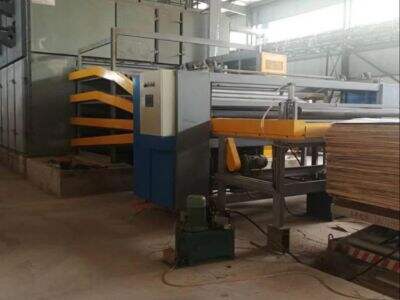
Როლიკებიანი სახ dry მშენებლობები იმდენად აუცილებელი მოწყობილობაა ფილების დამუშავების საწარმოებში. ისინი გამოიყენებიან თხევადი ხის ფილების, რომლებიც ცნობილია, როგორც ვენერი, გასახ dry ად, რათა ისინი გარდაიქმნან ავეჯად, იატაკის დაფებად და სხვა პროდუქტებად. როლიკებიანი სახ dry მშენებლობის სიცოცხლე არის დიზაინი, რომელშიც ჩვენ ყოველთვის უზრუნველყოფთ იმას, რომ ხე თანაბრად და სწრაფად გაიშენოს. XIANGYING, ჩვენ ვიცით, თუ რამდენად მნიშვნელოვანია ეს სახ dry მშენებლობები მრეწველობისთვის. ჩვენი მიზანია შევქმნათ ყველაზე უმჯობესი როლერის გამყვები თუ გაქვთ ნაგლინჯის ქარხნიდან მომდინარე თქვენი წარმოების მოთხოვნების სრული გაგება, ჩვენ განვიხილავთ, თუ რა განსაზღვრავს ეფექტურ როლიკიან საშრობს და რატომ ოპტიმიზაციას უზრუნველყოფს ის ნაგლინჯის წარმოებაში.
Თუ თქვენ გჭირდებათ მაღალი ხარისხის როლიკიანი საშრობი ნაგლინჯისთვის, ბაზარზე ძებნისას ბევრი რამ უნდა გაითვალისწინოთ. საშრობის მასალა არის პირველი რიგის განსაზღვრულება. კარგი როლიკიანი საშრობის კონსტრუქცია უნდა იყოს მდგრადი მასალისგან, რომელიც გაძლებს მაღალ ტემპერატურას და ტენიანობას. ხშირად უმჯობესი ალტერნატივა შეიძლება იყოს ღრუს ფოლადი, რადგან ის ჟანგისგან დაცულია და უფრო გრძელ ვადიანობას გამოირჩევა. გარდა ამისა, კონსტრუქცია უნდა უზრუნველყოფდეს მარტივ მოვლა-პირბადეობას. საშრობის მარტივად გაწმენდა და მოვლა უზრუნველყოფს იმას, რომ წარმოება არასოდეს შეწყდეს.
Როლიკებიანი სახ dry მშენებლობის დიზაინი მრგვალი ფილების მრეწველობითი დამუშავების საწარმოებისთვის
Მეორე მნიშვნელოვანი ფაქტორი არის გათბობის სისტემის არსებობა. იდეალური როლიკოვანი საშრობი უნდა იმყოფებოდეს გათბობის სისტემაში, რომელიც თანაბრად ანაწილებს სითბოს ყველა როლიკზე. ეს ნიშნავს, რომ ყველა ფანერა თანაბრად იშრება. ზოგიერთი საშრობი იყენებს ცხელ ჰაერს, ხოლო სხვებს შეიძლება ჰქონდეთ წყლის ორთქლი. ეს დამოკიდებულია საწარმოს საჭიროებებზე. როლიკების დიამეტრიც მნიშვნელოვანია. უფრო დიდი ფენდის სუშილო შეძლებს მეტი მასალის გაშრობას, რაც შეამცირებს გაშრობის დროს.
Ენერგოეფექტურობასაც ყურადღება მიექცევა, ამას გარდა. ნაკლები ენერგიის მომხმარებელი როლიკოვანი საშრობი გრძელმანეთ შეიძლება დაგზოგოთ თანხა. ზოგიერთი თანამედროვე საშრობი აღჭურვილია ინტელექტუალური ტექნოლოგიით, რომელიც აკონტროლებს ენერგიის მოხმარებას და ცვლის ოპერაციებს ენერგიის დასაზოგად. ეს არა მარტო გარემოსთვის სასურველია, არამედ შეიძლება დაგზოგოთ თანხა ბიზნესის ხარჯებში.
XIANGYING-ის მიერ ყურადღება მიექცევა ამ ყველა დეტალს. ჩვენ ვფიქრობთ, რომ ნამდვილად კარგი როლიკოვანი საშრობი შეიძლება მნიშვნელოვნად იმოქმედოს ფანერის დამუშავების ხაზების მუშაობის მეთოდზე. ეს არ შეეხება მხოლოდ ხის შრობას, არამედ მის ეფექტურ შრობას.
Როლიკოვანი საშრობები მნიშვნელოვნად ამაღლებს ფანერის ინდუსტრიის წარმოებულობას. ამის ერთ-ერთი მთავარი მიზეზი არის მისი სიჩქარე შრობის პროცესში. ტრადიციული ტყის შრობის პროცესები შეიძლება იყოს ნელი, რაც უმჯობესებს წარმოების ტემპს. თანამედროვე როლიკოვანი საშრობებით შრობის დრო ბევრად მოკლეა. ეს კი ნიშნავს, რომ შეიძლება დამატებითი ფანერის დამუშავება მოხდეს მოკლე ვადაში.
Მეორე მნიშვნელოვანი ფაქტორი არის ის, რომ ეს საშრობები საშუალებას აძლევს გაუმჯობესდეს ფანერის ხარისხი. თუ ხე საკმაოდ სწრაფად ან არათანაბრად იშრება, ის ხელს უწყობს მის გადახრას ან cracked-ის წარმოქმნას. როლიკოვან საშრობებში თბო და ჰაერის ნაკადი თანაბარია, რის გამოც ხე უფრო თანაბრად იშრება. შედეგად, მიიღება უმჯობესი ხარისხის ფანერა, რომელსაც ნაკლებად აქვს ნაკლები ხარისხის დეფექტები.
Გარდა ამისა, ეს ავთენტური როლიკის მქონე საშრობები შეიძლება გამოყენებულ იქნას ფანერის ქარხანაში სივრცის დაზოგვის მიზნით. კომპაქტური; ისინი არ გაფართოვდებიან ზედმეტად, რაც ქარხნის სივრცის მაქსიმალურად გამოყენებას უზრუნველყოფს. ნაკლები შრობის საჭიროების შემთხვევაში, მეტი სივრცე შეიძლება გამოყენებულ იქნას სხვა მნიშვნელოვანი პროცესებისთვის (ხის დაჭრა ან დასრულება).
Ასევე, თანამედროვე როლიკის მქონე საშრობები ავტომატიზაციით არის აღჭურვილი. ეს სისტემების დისტანციურ მართვას უზრუნველყოფს, რის შედეგადაც ოპერატორებს არ სჭირდებათ ადგილზე ყოფნა შრობის პარამეტრების დასაკვირვებლად და შესაცვლელად. ეს არა მხოლოდ დროს ზოგავს, არამედ შრომის ხარჯებსაც შეამცირებს.
XIANGYING როლიკის მქონე საშრობების ტექნოლოგიის წინა ლინიაზე მდგარი კომპანიაა და ჩვენ მოწოდებულ გვაქვს მოწყობილობები, რომლებსაც ყველაფერი აქვთ. იმ აზრის, რომ შრობა ფანერის წარმოების ნაგავს წარმოადგენს, სიდიდე არ აქვს ჩვენთვის და ჩვენ შევქმენით ჩვენი საშრობები მაღალი ეფექტიანობის კონცეფციის გარშემო, რაც დღესდღეობით ზრდად მომთხოვნი სამრეწველო მოთხოვნებს ემსახურება. ხარისხიანი როლიკის მქონე საშრობის ტექნოლოგია საშუალებას აძლევს ფანერის დამუშავების ქარხნებს გააუმჯობინონ წარმოება, ხოლო მათი დასრულებული პროდუქტების ხარისხი შეინარჩუნონ.
Რა უპირატესობები აქვს თანამედროვე როლიკოვან საშრობს ფანერის ქარხნებში?
Თანამედროვე როლიკოვანი საშრობის ტექნოლოგია ფანერის წარმოების საწარმოებს რამდენიმე უპირატესობას უზრუნველყოფს. ერთ-ერთი მათგანი ის არის, რომ ის ხის თანაბრად და სწრაფად აშრობს. ეს მნიშვნელოვანია, რადგან ძალიან ნელა ან შეუთანაბრად გაშრობილი ხე ხანდახან იღუნდება და კვეთილდება. XIANGYING-ის მიერ მოწოდებული მაღალხარისხიანი ფერდის გამგონი მდგრადი ტვირთისთვის კონტროლირებადი რეჟიმით გამოიყოფა სითბო, რის შედეგადაც ხე ინარჩუნებს თავის სიმტკიცეს და გადაიქცევა სწორ მასალად. მეორე უპირატესობა კი ენერგოეფექტურობაა. ახალი კონსტრუქციები ენერგოეფექტურია და საწარმოს ფულის დანახოს უზრუნველყოფს. ეს კარგია გარემოისთვის და კომპანიის ფინანსური მდგომარეობისთვის.
Გარდა ამისა, თანამედროვე როლიკოვანი საშრობები ხშირად შეიქმნება სხვადასხვა ტიპის ქუცის დასამუშავებლად. ეს საშუქავს ფანერის ქარხანას, რომ გააშროს სხვადასხვა სახის ქუცი საშრობის გადაყენების გარეშე. ეს ლაგი ხელს უწყობს ქარხანას, რომ განათავსოს მომხმარებლის მოთხოვნების შეცვლას. მეტი იმისა, უახლესი როლიკოვანი საშრობები აღჭურვილია საუკეთესო კონტროლებით და სენსორებით. ეს თვისებები საშუალებას აძლევს მუშებს უფრო მარტივად დააკვირდნენ გაშრობის პროცესს. როდესაც მუშებს შეუძლიათ დააკვირდნენ გაშრობას რეალურ დროში, ისინი შეძლებენ სწრაფად შეიტანონ შესწორებები საჭიროების შემთხვევაში. ეს უმჯობეს ხარისხის ქუცას უზრუნველყოფს და შეცდომების რაოდენობას ამცირებს.
Საბოლოოდ, XIANGYING-ის როლიკოვანი საშრობები ხანგრძლივად უმჯობეს მუშაობას გაძლევს. ისინი დამზადებულია მტკიცე მასალებისგან და ინტელექტუალური დიზაინით, რაც ხმარში შემცირებაში ეხმარება. რაც ნიშნავს ნაკლებ შეჩერებას და ნაკლებ გამართვებს საწარმოში. როდესაც მანქანები კარგად მუშაობს, ჩვენ შეგვიძლია მეტი ფანერა წარმოებულიყო საწარმოში. ეს მნიშვნელოვანია მაღალი მოცულობის ბიზნესში, სადაც დრო ფულია. საბოლოოდ, უნაგირის ორი დიზაინი მნიშვნელოვნად უწევს ხელს ხის დამუშავების საწარმოების ეფექტურ და მაღალეფექტიან მუშაობას.
Ფანერის საწარმოებისთვის პრობლემების გადაჭრის რჩევები
Პრობლემები შეიძლება წარმოიშვას აქ ზოგჯერ საუკეთესო როლიკის სახ dryers-თან დაკავშირებით, როდესაც ფანერის ხაზებია საქმე. სასარგებლოა შესაძლებელი იყოს ამ პრობლემების დიაგნოსტიკა, რათა ყველა ისე იმუშაოს, როგორც უნდა. შეიძლება წარმოიშვას ბევრი პრობლემა, მაგრამ ერთ-ერთი ყველაზე გავრცელებული არის არათანაბარი გამშრალება. თუ ხის ზოგიერთი ნაწილი მშრალია, ხოლო სხვები სველი, ეს შეიძლება დაკავშირებული იყოს იმასთან, თუ როგორ არის ხე განლაგებული სახ dryers-ში. დარწმუნდით, რომ ხე გადახრილია და არ არის ზედმეტად ახლოს დაწყებული. ეს საშუალებას აძლევს ცხელ ჰაერს იმოძრაოს თითოეული ნაწილის გარშემო, რათა თანაბრად გამშრალდეს.
Მეორე პრობლემა შეიძლება იყოს ტემპერატურა. თუ სახ dryers ზედმეტად ცხელია, ეს შეიძლება გამოიწვიოს ხის გატეხვა. თუ ზედმეტად ცივია, ხე საკმარისად არ იშრება. ოპერატორებმა უნდა შეამოწმონ ტემპერატურის მნიშვნელობები პერიოდულად და შეათანხმონ ისინი იმ ხის სახეობასთან, რომელიც იშრება. ასევე სასარგებლოა ყურადღება მიექციეთ ხის ტენიანობის შემცველობას. ტენიანობის მერი ეხმარება მუშაკებს გაერკვიათ, როდის არის ხე მზად და როდი უნდა ამოიღონ ის სახ dryers-დან.
Როლიკების საშრობებს ზოგჯერ მექანიკური დეფექტები აქვთ. მოხალისეებისგან მოეთხოვება საშრობების რეგულარულად შენარჩუნება, რათა დარწმუნდეს მათი სწორი მუშაობის შესახებ. ეს ნიშნავს სატრიალე რეზინების, ძრავების და სხვა კომპონენტების მომსახურების ნიშნების შემოწმებას. თუ რაღაც არასწორად გამოიყურება, უმჯობესია ამის გადაჭრა უფრო ადრე, ვიდრე უფრო მეტ პრობლემად გადაიზარდოს. კომპანიები, რომლებმაც შეძლო თანამშრომლების ამ პრობლემების ადრეულად ამოცნობაზე მომზადება, შეძლებენ შეჩერების ხანგრძლივობის შემცირებას.
Ბოლოს, კომუნიკაცია მნიშვნელოვანია. მოუწოდეთ თანამშრომლებს, იყვნენ თვალები და ყურადღებით იყვნენ ნებისმიერი რამის მიმართ, რაც არასწორად გამოიყურება როლიკების საშრობების გამოყენებისას. ამგვარად, ქარხანას შეუძლია პრობლემების prompt გადაჭრა და წარმოების უწყვეტი გაგრძელება. ამ შეცდომების გასასწორებელი მეთოდების გამოყენებით ფანერის ქარხნებს შეუძლიათ ამ ხარისხიანი პროდუქციის წარმოება შეჩერების გარეშე.
Რატომ არის როლიკების საშრობები აუცილებელი ფანერის დამუშავების ოპერაციებისთვის?
Რატომ არის როლიკები აუცილებელი ფანერის წარმოებაში? ერთ-ერთი მიზეზი ის არის, რომ სველი ხის გამშრალი დრო უფრო მოკლეა. ფანერის წარმოებისას დამუშავებულ ხეს გამოყენებამდე გამშრალი უნდა იქნებოდეს. როდესაც გამშრალი ხის პროცესი ძალიან გრძელდება, მთელი წარმოება ზიანდება. როლიკები, განსაკუთრებით XIANGYING-ის მიერ გაყიდული ტიპის, ხეს გამშრალი დრო მნიშვნელოვნად ამცირებს სხვა მეთოდებთან შედარებით. ეს საშუალებას აძლევს ფანერის ქარხნებს ნაკლებ დროში მეტი ხის წარმოება მოახდინონ და უკეთ დააკმაყოფილონ მომხმარებლის მოთხოვნები.
Მეორე მნიშვნელოვანი მიზეზი ის არის, რომ ისინი აუმჯობესებენ ფანერის ხარისხს. სწორად გამშრალი ხე ამცირებს დეფორმაციის, cracked და გატეხილობის შესაძლებლობას. თუ ხე თანაბრად და სწორად არის გამშრალი, ის უფრო მყარი და ესთეტიკურად უკეთესი რჩება. ეს საკმაოდ მნიშვნელოვანია ფანერისთვის, რადგან ხალხი მაღალი ხარისხის და საიმედო პროდუქებს ელოდება. პროდუქის ტევადობა წარმატებული პელეტების დასამზადებლად მნიშვნელოვან ფაქტორს წარმოადგენს; ამ როლის სირთულე ეფექტურ როლიკის გამშრალის გამოყენებას განსაზღვრავს.
Როლიკოვანი საშრობებისგანაც ხელმისაწვდომია ერთგვაროვანი სველი ატმოსფერო. პრაქტიკულად ეს ნიშნავს, რომ ხის ყოველი პარტია ზუსტად იგივე პრინციპით მუშავდება, ერთგვაროვანი შედეგებით. წიაღის წარმოებაში განსაკუთრებით მნიშვნელოვანია ერთგვაროვნება. როდესაც ნაწილები შეუთანხმებლად იშრება, ეს შეიძლება გამოწვეული იყოს ბოლო პროდუქში პრობლემებით. როლიკოვანი საშრობების შემთხვევაში ასევე შესაძლებელია სისწორით კონტროლი და რეგულირება საშრობის პირობების, შესაბამისად შესაძლებელია მაღალი სტანდარტის შენარჩუნება.
Და, ბოლოს, სწორი როლიკოვანი საშრობებით შეიძლება დაზოგვაც კი მოხდეს. მიუხედავად იმისა, რომ ისინი შესაძენად შეიძლება იყოს არა ისე იაფი, ენერგიის ეკონომია და მეტი პროდუქტის წარმოება შეიძლება გამოვლინდეს იმით, რომ გრძელ ვადაში ბევრი ფული დაზოგდეს. რაც უფრო ეფექტურად შეიძლება გამოშრას ტევზის ნაწილაკები, მით ნაკლები ენერგია იქნება დანახული და მეტი ტევზი დამუშავდება. ეს კი როლიკოვან საშრობებს ჭეშმარიტ ღირებულებად აქცევს ნებისმიერი ფანერის საწარმოსთვის, რომელიც მისი ეფექტიანობის ამაღლებას სურს. მოკლედ, როლიკოვანი საშრობები ფანერის დამუშავების საწარმოებისთვის ჩვეულებრივი წარმოებისა და მაღალი ხარისხის პროდუქტებისთვის აუცილებელი მოწყობილობაა.