Uneven Moisture After Veneer Drying: Causes and Troubleshooting

អំពីយើង
Xiangying គឺជាក្រុមហ៊ុនផលិតម៉ាស៊ីនសម្ងួតឈើ និងឧបករណ៍ក្តារបន្ទះដែលមានជំនាញវិជ្ជាជីវៈ។
ទីតាំងទំហំ 18,000 ម៉ែត្រការ៉េរបស់យើង រួមមានអគារទំហំ 15,000 ម៉ែត្រការ៉េ ដែលគាំទ្រដល់ការអភិវឌ្ឍផលិតផល ការផលិត និងសេវាកម្មសម្រាប់អតិថិជននៅក្នុងប្រទេសចិន និងនៅបរទេស។
ទទួលបានសម្រង់តម្លៃឥតគិតថ្លៃ
Error: Contact form not found.
-
ផ្ទះ

-
ប្លុក
-
ព័ត៌មានថ្មីៗ
- Uneven Moisture After Veneer Drying: Causes and Troubleshooting
Uneven Moisture After Veneer Drying: Causes and Troubleshooting
-
អ្នកគ្រប់គ្រង
- 19,ខែវិច្ឆិកា
Uneven moisture after veneer drying means that sheets, or different areas of one sheet, leave the dryer at different moisture contents. The cause may be in the incoming veneer, the drying conditions or the way moisture is measured. Raising the temperature before identifying the pattern can leave the wetter material unresolved while overdrying sheets that were already acceptable.
For a plywood mill, the useful starting point is a record of where and when the variation appears. That record helps the production team decide whether to sort the material, inspect the dryer or revise its operating settings.
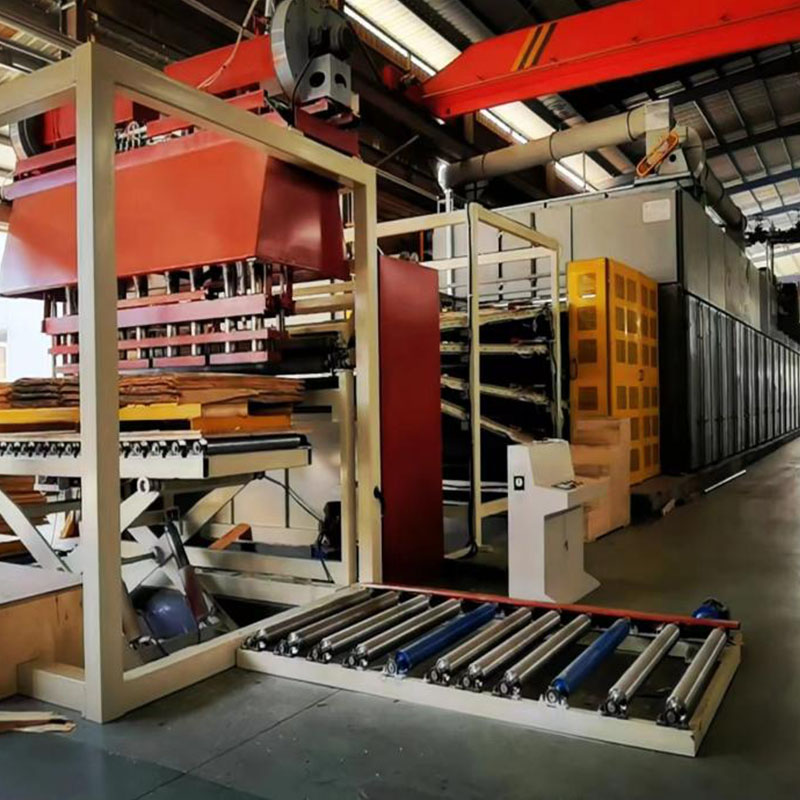
Confirm Where the Moisture Variation Occurs
An average moisture reading can hide a wet edge or a small group of wet sheets. Establish the acceptable range for the adhesive and production process, then compare individual readings against that range.
Compare Measurements Across Sheets and Dryer Decks
Use a repeatable sampling pattern across the sheet, including its edges and centre. Label readings by deck, feeding position, material batch and collection time. Follow the meter manufacturer's instructions for veneer thickness, species settings and any temperature correction. Readings taken using different methods are difficult to compare.
A wet band repeatedly appearing in the same feeding lane suggests a local condition worth investigating. Scattered wet sheets may instead reflect differences in incoming material. These patterns narrow the search; neither proves the cause by itself. Keep the observations alongside the mill's routine veneer drying checks.
Separate Uneven Drying from Moisture Regain
Compare results after cooling with readings taken before gluing, using comparable measurement conditions. If the veneer meets the agreed range after drying but changes during storage, inspect the storage environment and handling interval. A later moisture problem should not automatically trigger a hotter dryer setting.
Check Incoming Veneer Before Changing Dryer Settings
Once the variation is mapped, compare the affected sheets with the material entering the line. Species, thickness and initial moisture influence how much drying a sheet needs. Two sheets that look similar can require different residence times.
Check actual thickness rather than relying entirely on the nominal peeling setting. Where incoming moisture varies widely, trial a more consistent material group through the existing process. If its outlet readings become more consistent, improve sorting before making broad equipment adjustments.
Keep feeding reasonably steady during the comparison. Results from a lightly loaded start-up period may differ from those under sustained production. Record interruptions and loading changes so they are not mistaken for an unexplained machine fault.
Inspect Airflow, Heat Supply and Exhaust
If variation persists with comparable incoming veneer, use its location to guide the equipment inspection. Complete internal cleaning and mechanical checks only after the machine has been stopped, isolated and made safe under its operating procedures.
Trace Wet Areas to Air Distribution
Hot air must reach the veneer across the working width. Debris in jet boxes or heat exchangers can restrict circulation. A fan problem may also leave one area receiving different drying conditions from another.
For example, the ម៉ាស៊ីនសម្ងួតឈើប្រភេទរមូរបួនជាន់ BG1334 uses circulating hot air delivered through jetting bellows, with heating fans arranged on both sides of its front and rear heating areas. A recurring wet lane therefore warrants checking the relevant air path and fan operation, rather than assuming every deck needs a higher temperature.
Check Heat Transfer and Moisture Removal
When several decks become wetter at the same time, compare the production record with heat-supply conditions. On a steam-heated machine, reduced supply pressure or poor condensate discharge can reduce heating performance. Dirty heat-exchanger surfaces also deserve attention.
Exhaust settings affect the removal of moist air and the demand for replacement air. Opening exhaust further without checking the rest of the system may increase heat loss. Inspect the exhaust path and controls against the equipment specification. Xiangying's roller veneer dryer troubleshooting guide identifies heat-supply, fan, heater-cleanliness and exhaust faults as inspection points.
Adjust Line Speed and Verify the Next Batch
After correcting identified faults, review residence time using a consistent veneer group. Slower conveying gives material more time inside the heating sections, but it does not correct a blocked air path. It may also dry the acceptable sheets further.
Change one operating setting at a time within the manufacturer's limits. Record the change and allow the affected material to travel through the dryer before judging the result. Repeated adjustments based on sheets that entered under earlier settings can make the process harder to control.
Repeat the original sampling pattern under a comparable load. Check the range of readings, the number of sheets outside the agreed limits and visible damage. A lower average is not sufficient if wet areas remain or splitting increases. Retain the successful settings with the material conditions to which they apply.
For a hypothetical trial, suppose wet readings repeatedly occur on the left side of one deck. After an air-path obstruction is removed, sample that position again along with the centre and right side. Keep the incoming veneer group and conveying speed comparable. If the left-side readings improve while the other positions remain acceptable, the result supports the repair. If the pattern returns with a different material batch, compare its incoming condition before repeating the same adjustment. This is a way to test a suspected cause, rather than evidence that every wet lane has an airflow fault.
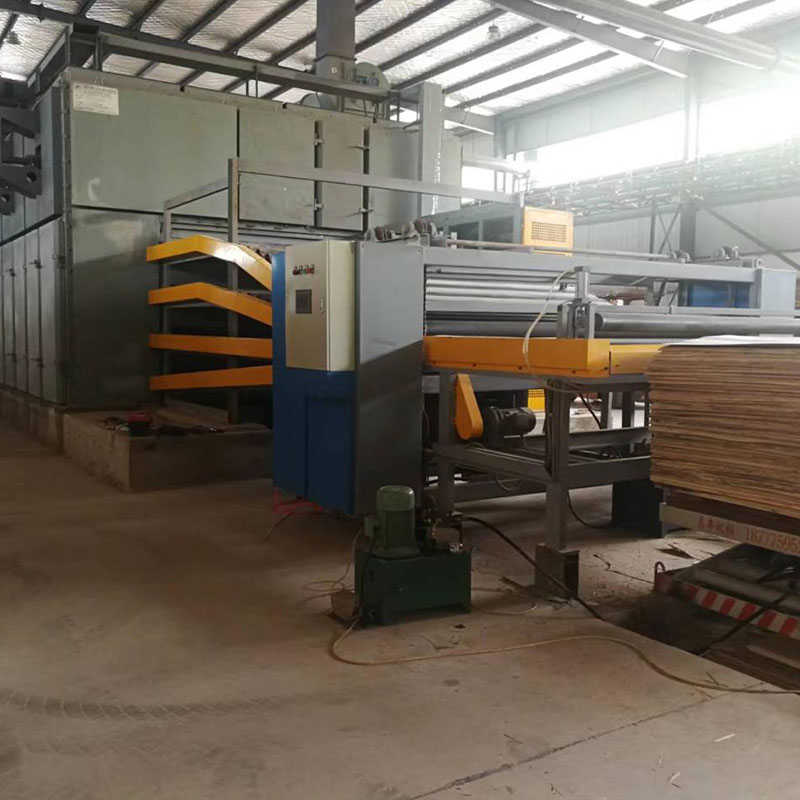
Veneer Drying Troubleshooting Support from Xiangying
Xiangying manufactures mesh belt, roller and combined veneer dryers. Its published troubleshooting information covers heating, airflow, conveying and cooling faults.
If the cause remains unclear, contact the team for help identifying the next inspection steps. A machine model and a brief description of the moisture pattern are useful starting points. Available operating records, photographs or video can help explain what changed and where the problem occurs.
Conclusion
Investigate uneven veneer moisture by locating the variation first. Compare incoming material, inspect the relevant air and heating systems, then verify any setting change with consistent measurements. This sequence gives the mill a clearer basis for adjustment than responding to every wet sheet with more heat or a slower line.
FAQs
Can Touch or Colour Confirm That Veneer Is Dry Enough?
No. Appearance and touch can flag a concern, but acceptance should rely on an appropriate moisture measurement method. The required moisture range comes from the adhesive and manufacturing process.
Should Wet Veneer Always Go Through the Dryer Again?
No. Segregate it and confirm its moisture before deciding on re-drying. Use an approved procedure for that material; another pass can overdry areas that already meet the requirement.
Does Moisture Variation Mean the Dryer Needs Replacing?
No. Review material variation, maintenance and operating records first. Equipment modification or replacement becomes a separate assessment when the required duty cannot be met under verified operating conditions.


ផលិតផលពាក់ព័ន្ធ
ផលិតផលលក់ដាច់បំផុត
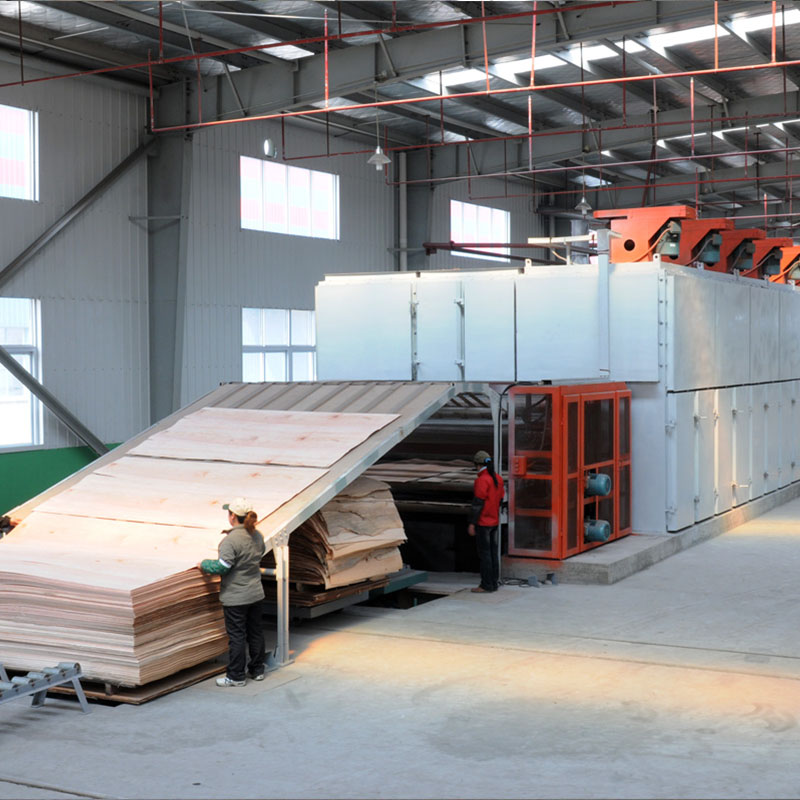
ម៉ាស៊ីនសម្ងួតស្រទាប់ឈើរួមបញ្ចូលគ្នា BG1933B សំណាញ់រមូរបីជាន់
ផលិតផលរបស់យើងគឺជាប្រភេទម៉ាស៊ីនសម្ងួតសំណាញ់រំកិលឆ្លងកាត់ដែលបញ្ជូនត្រង់ ដែលមានរចនាសម្ព័ន្ធសំណាញ់ និងរមូរ។ ម៉ាស៊ីនសម្ងួតស្រទាប់សំណាញ់រំកិលមានស្រទាប់សំណាញ់ និងរមូរពីរប្រភេទ។ វាអាចសម្ងួតសម្រាប់បន្ទះមុខ និងបន្ទះស្នូលក្រាស់ក្នុងពេលតែមួយ។ វាមានគុណសម្បត្តិនៃទំហំដីតិចជាង និងការប្រើប្រាស់ច្រើនយ៉ាងនៃម៉ាស៊ីនតែមួយ។
ផលិតផលរបស់យើងគឺជាប្រភេទម៉ាស៊ីនសម្ងួតសំណាញ់រំកិលឆ្លងកាត់ដែលបញ្ជូនត្រង់ ដែលរួមបញ្ចូលគ្នានូវគុណសម្បត្តិនៃម៉ាស៊ីនសម្ងួតអឺរ៉ុប។ វាប្រើកង្ហារ centrifugal ដែលបំពាក់ដោយចំហៀង (លំហូរខ្យល់ 62 ពាន់ម៉ែត្រគូប/ម៉ោង)។ ឧបករណ៍ផ្លាស់ប្តូរកំដៅថ្មី និងប្រអប់បាញ់ថ្នាំចតុកោណកែងដែលមានផ្នែកឆ្លងកាត់អាចផ្លាស់ប្តូរបាន ធ្វើឱ្យផ្ទៃឈើមានឯកសណ្ឋានសម្រាប់កំដៅខ្យល់។ កង្ហារផ្នែកកំដៅនៃផ្នែកខាងមុខ និងខាងក្រោយត្រូវបានបំពាក់ដោយខាងឆ្វេង និងខាងស្តាំ ដូច្នេះវាធ្វើឱ្យឈើមានសំណើមចុងក្រោយដូចគ្នាបន្ទាប់ពីស្ងួត។ លើសពីនេះ សម្រាប់លក្ខខណ្ឌអាកាសធាតុសើម ម៉ាស៊ីនជ្រលក់ពណ៌បន្ថែមប្រវែងផ្នែកបើកចំហដែលត្រជាក់ វាជាគុណសម្បត្តិសម្រាប់ការត្រជាក់ឈើដែលវាជៀសវាងការសើម។
ប្រព័ន្ធកំដៅរបស់ម៉ាស៊ីនសម្ងួតប្រើឡចំហាយទឹក ឬឡចំហាយប្រេង។ នៅពេលវាប្រើឡចំហាយប្រេង វាត្រូវដឹងពីសុវត្ថិភាពប្រព័ន្ធ បំពង់ប្រព័ន្ធកំដៅ និងឧបករណ៍ផ្លាស់ប្តូរកំដៅគួរតែជៀសវាងការប្រមូលផ្តុំកាបូន និងគ្រោះថ្នាក់អគ្គីភ័យ។ កុំឱ្យទឹក ជាតិអាស៊ីត និងសម្ភារៈចំណុចរំពុះទាបចូលទៅក្នុងប្រព័ន្ធ។
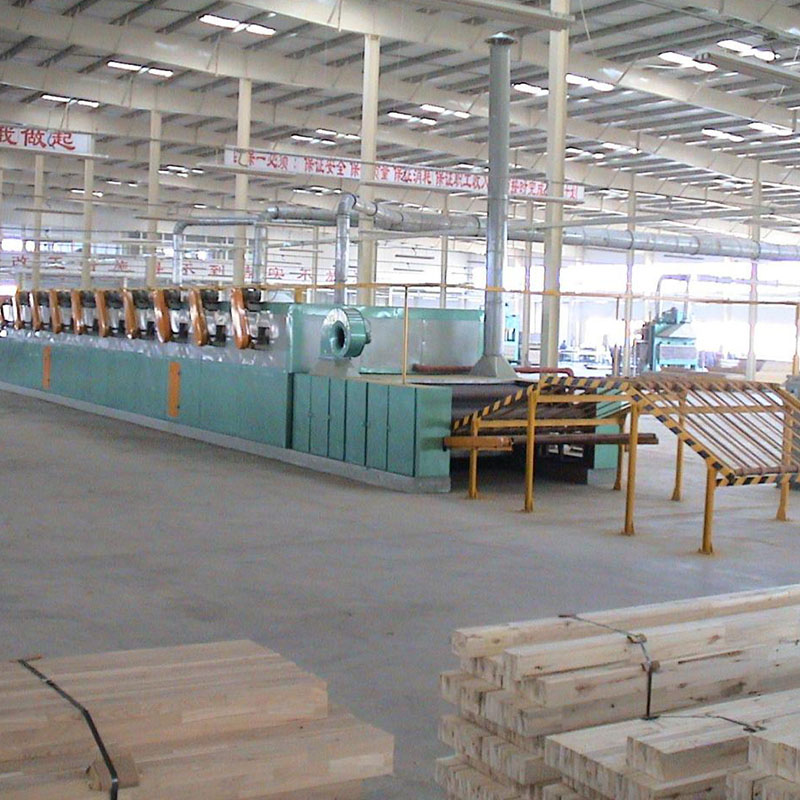
ម៉ាស៊ីនសម្ងួតស្រទាប់ឈើរួមបញ្ចូលគ្នា BG1932 សំណាញ់រមូរពីរជាន់
ម៉ាស៊ីនសម្ងួតស្រទាប់ឈើ BG1932 ពីរស្រទាប់ មានស្រទាប់សំណាញ់ និងស្រទាប់រំកិលពីរប្រភេទ។ វាអាចសម្ងួតសម្រាប់បន្ទះមុខ និងបន្ទះស្នូលក្រាស់ក្នុងពេលតែមួយ។ វាមានគុណសម្បត្តិនៃទំហំដីតិចជាង និងការប្រើប្រាស់ច្រើនយ៉ាងនៃម៉ាស៊ីនតែមួយ។
ម៉ាស៊ីនសម្ងួតប្រភេទសំណាញ់រមូរ BG1932 ត្រូវបានរចនាឡើងតាមគោលការណ៍រចនាសម្ព័ន្ធឯកតា ប្រភេទស្តង់ដារគឺ 10 ផ្នែក។ 2 ម៉ែត្រជាស្តង់ដារសម្រាប់តំបន់សម្ងួតមួយ បន្ទប់ត្រជាក់មួយផ្នែក ប្រព័ន្ធបើកបរមួយ តុរមូរបញ្ចូល និងតុរមូរទិន្នផល។ អតិថិជនអាចជ្រើសរើសផ្នែកនៃម៉ាស៊ីនសម្ងួតតាមតម្រូវការរបស់អ្នក។ (5 ផ្នែកទៅ 15 ផ្នែក)
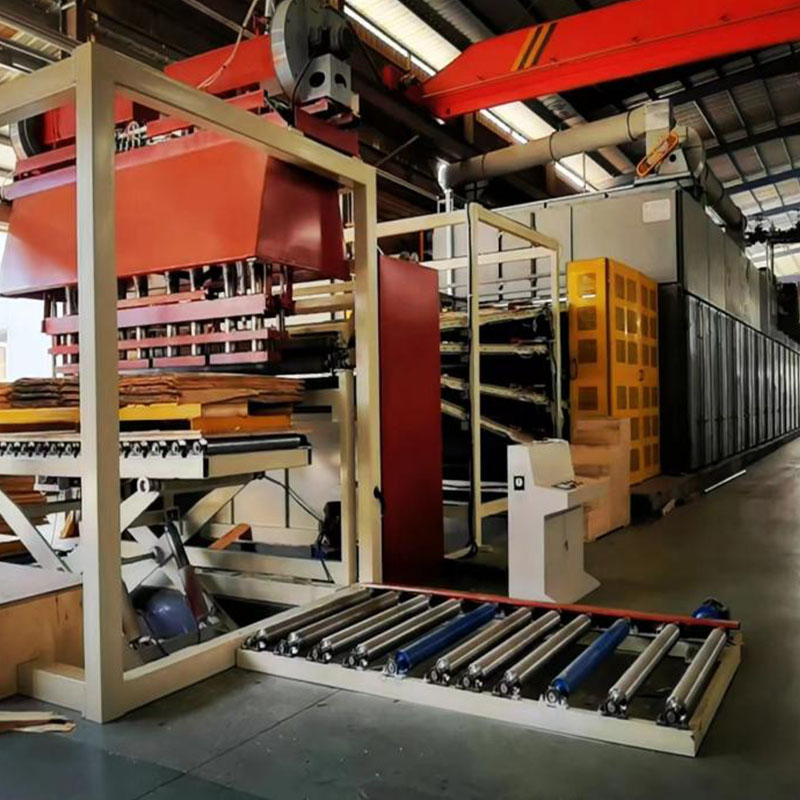
ម៉ាស៊ីនសម្ងួតឈើប្រភេទរមូរបួនជាន់ BG1334
ម៉ាស៊ីនសម្ងួតស្រទាប់ឈើប្រភេទរំកិលបាញ់ទឹក ៤ ជាន់ BG1334 មានប្រព័ន្ធដឹកជញ្ជូន ផ្នែកកំដៅ ប្រព័ន្ធចំហាយទឹក ផ្នែកត្រជាក់ ប្រព័ន្ធបញ្ចេញខ្យល់ និងប្រព័ន្ធរំកិលបញ្ចូល និងបញ្ចេញ។ ផ្នែកកំដៅមានពីរផ្នែក គឺផ្នែកខាងមុខ និងខាងក្រោយ ជាមួយនឹងកង្ហារកំដៅដែលដាក់នៅសងខាង ដើម្បីធានាបាននូវសំណើមចុងក្រោយដែលមានស្ថេរភាពនៅចំណុចនីមួយៗ។
នៅក្នុងដំណើរការកំដៅ ខ្យល់ត្រូវបានបង្ហាប់ចូលទៅក្នុងឧបករណ៍កម្តៅដោយកង្ហារ centrifugal បញ្ឈរសម្រាប់កំដៅ ហើយបន្ទាប់មកត្រូវបានបង្ហាប់ចូលទៅក្នុង bellows បាញ់។ បន្ទាប់មក ខ្យល់ក្តៅត្រូវបានបាញ់ទៅលើ veneers ដែលបញ្ជូនរវាង rollers សម្រាប់សម្ងួត។ បន្ទាប់មកខ្យល់ក្តៅសើមត្រូវបានទាញចូលទៅក្នុងកង្ហារ centrifugal សម្រាប់ការប្រើប្រាស់ជារង្វង់។ ផ្នែកមួយនៃខ្យល់ក្តៅសើមត្រូវបានបញ្ចេញតាមរយៈប្រព័ន្ធបញ្ចេញខ្យល់ចេញ ដើម្បីផ្លាស់ប្តូរខ្យល់ស្រស់មួយចំនួន ដើម្បីរក្សាសំណើមខ្យល់ឱ្យបានត្រឹមត្រូវ។ វាសម្របខ្លួនទៅនឹងលក្ខខណ្ឌបច្ចេកវិទ្យា៖ ទីមួយ កាត់; ទីពីរ ស្ងួត។ វាភាគច្រើនជាមួយនឹងការសម្ងួតបន្ទះស្នូលនៃ veneers។ ទិសដៅខ្សែរនៃ veneers ស្ងួតគឺដូចគ្នានឹងការបញ្ចូល veneer ហើយទទឹងគួរតែលើសពី 350mm បើមិនដូច្នោះទេ វានឹងកើតឡើងបាតុភូតនៃការជញ្ជាំង veneers។
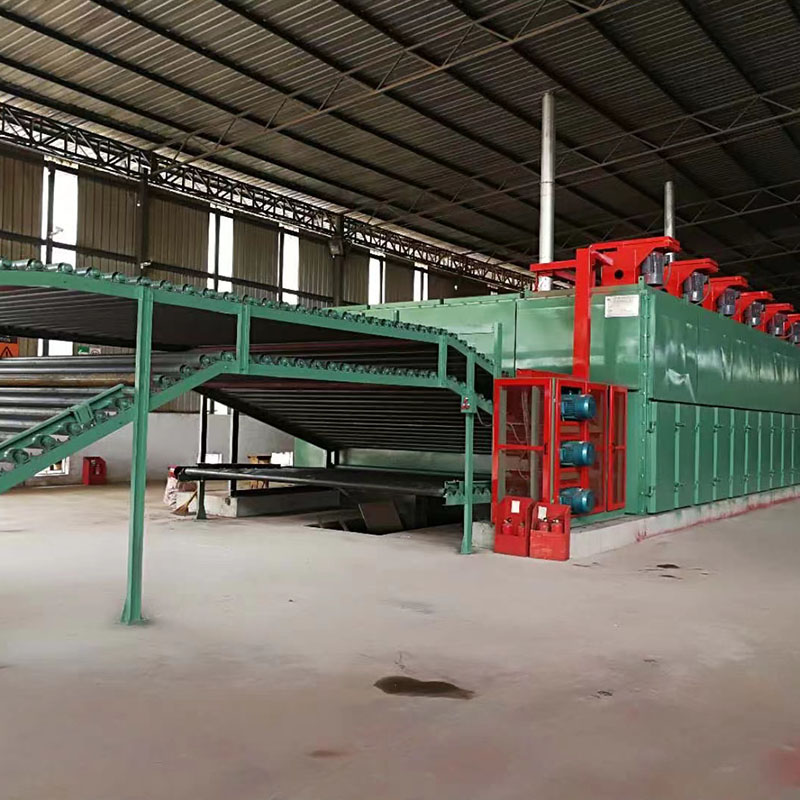
ម៉ាស៊ីនសម្ងួតបន្ទះឈើរមូរបីជាន់ BG1333
ម៉ាស៊ីនសម្ងួតស្រទាប់ឈើប្រភេទរំកិលបាញ់ទឹក BG1333 មានប្រព័ន្ធដឹកជញ្ជូន ផ្នែកកំដៅ ប្រព័ន្ធចំហាយទឹក ផ្នែកត្រជាក់ ប្រព័ន្ធបញ្ចេញខ្យល់ និងប្រព័ន្ធរំកិលបញ្ចូល និងបញ្ចេញ។ ផ្នែកកំដៅមានពីរផ្នែក គឺផ្នែកខាងមុខ និងខាងក្រោយ ជាមួយនឹងកង្ហារកំដៅដែលដាក់នៅសងខាង ដើម្បីធានាបាននូវសំណើមចុងក្រោយដែលមានស្ថេរភាពនៅចំណុចនីមួយៗ។
នៅក្នុងដំណើរការកំដៅ ខ្យល់ត្រូវបានបង្ហាប់ចូលទៅក្នុងឧបករណ៍កម្តៅដោយកង្ហារ centrifugal បញ្ឈរសម្រាប់កំដៅ ហើយបន្ទាប់មកបង្ហាប់ចូលទៅក្នុង bellows បាញ់។ បន្ទាប់មក ខ្យល់ក្តៅត្រូវបានបាញ់ទៅលើ veneers ដែលបញ្ជូនរវាង rollers សម្រាប់សម្ងួត។ បន្ទាប់មក ខ្យល់ក្តៅសើមត្រូវបានទាញចូលទៅក្នុងកង្ហារ centrifugal សម្រាប់ការប្រើប្រាស់ជារង្វង់។ ផ្នែកមួយនៃខ្យល់ក្តៅសើមត្រូវបានបញ្ចេញតាមរយៈប្រព័ន្ធបញ្ចេញខ្យល់ ដើម្បីផ្លាស់ប្តូរខ្យល់ស្រស់មួយចំនួន ដើម្បីរក្សាសំណើមខ្យល់ឱ្យបានត្រឹមត្រូវ។
វាសម្របខ្លួនទៅនឹងលក្ខខណ្ឌបច្ចេកវិទ្យា៖ ទីមួយ កាត់ ទីពីរ ស្ងួត។ វាភាគច្រើនជាមួយនឹងការសម្ងួតបន្ទះស្នូលនៃបន្ទះឈើស្តើង។ ទិសដៅខ្សែរនៃបន្ទះឈើស្តើងស្ងួតគឺដូចគ្នានឹងការបញ្ចូលបន្ទះឈើស្តើង ហើយទទឹងគួរតែលើសពី 350 មីលីម៉ែត្រ បើមិនដូច្នោះទេវានឹងកើតឡើងនូវបាតុភូតនៃការជញ្ជាំងបន្ទះឈើស្តើង។
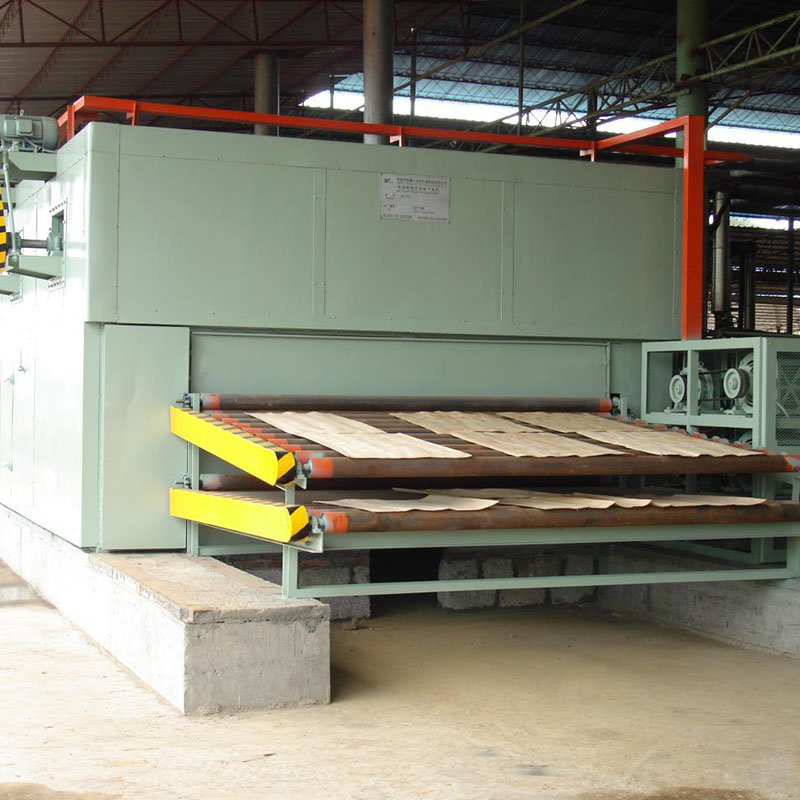
ម៉ាស៊ីនសម្ងួតឈើប្រភេទ Roller Veneer ពីរជាន់ BG1332
ម៉ាស៊ីនសម្ងួតស្រទាប់ឈើ BG1332 ពីរជាន់ ប្រភេទរំកិលបាញ់ទឹក គឺជាឧបករណ៍សំខាន់សម្រាប់ផលិតស្រទាប់ឈើ។ វាសម្របខ្លួនទៅនឹងលក្ខខណ្ឌបច្ចេកវិទ្យា៖ ទីមួយ កាត់ ទីពីរ ស្ងួត។ វាភាគច្រើនសម្ងួតបន្ទះស្នូលនៃស្រទាប់ឈើ។ ទិសដៅខ្សែរនៃស្រទាប់ឈើស្ងួតគឺដូចគ្នានឹងការបញ្ចូលស្រទាប់ឈើ ហើយទទឹងគួរតែលើសពី 350 មីលីម៉ែត្រ បើមិនដូច្នោះទេវានឹងកើតឡើងនូវបាតុភូតនៃការបិទជញ្ជាំងស្រទាប់ឈើ។ មានម៉ាស៊ីនខ្យល់នៅគ្រប់កន្លែងស្ងួតទាំងអស់។ វាប្រើវិធីបាញ់ទឹកឆ្លងកាត់ត្រង់ ហើយវាអនុញ្ញាតឱ្យកំដៅចូល និងធ្វើឱ្យសំណើម (សើម) ហូរចេញលឿនជាងមុន។ វាក៏ធ្វើឱ្យស្រទាប់ឈើស្ងួតមានសមាមាត្រល្អ កាត់បន្ថយការរួញនៃអត្រាទឹក។ ផលិតផលនេះមានគុណសម្បត្តិមួយចំនួន៖ រក្សាភាពងាយស្រួល សុវត្ថិភាព និងអ្វីៗផ្សេងទៀត។ ដូច្នេះនេះគឺជាផលិតផលដ៏ល្អឥតខ្ចោះសម្រាប់ការសម្ងួតស្រទាប់ឈើក្រាស់ក្នុងដំណើរការផលិតស្រទាប់ឈើ។
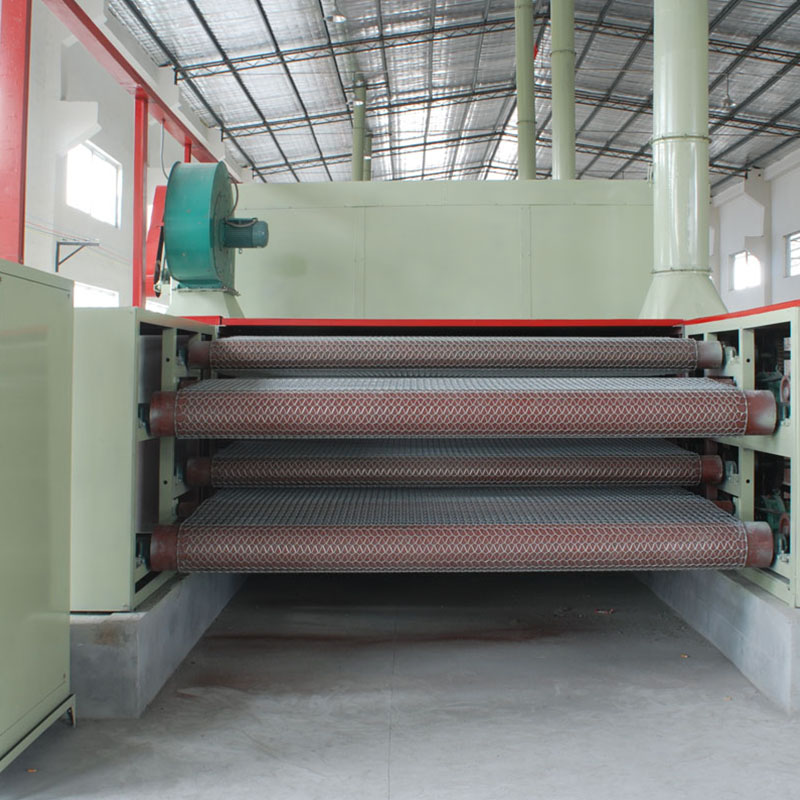
ម៉ាស៊ីនសម្ងួតសរសៃឈើ BG183 ពីរជាន់
ផលិតផលរបស់យើងគឺជាប្រភេទម៉ាស៊ីនសម្ងួតខ្សែក្រវ៉ាត់បាញ់បញ្ឈរដែលមានចរន្តឆ្លងកាត់ ដែលជាប្រភេទឧបករណ៍សម្ងួតជាបន្តបន្ទាប់។ ផលិតផលរបស់យើងអាចត្រូវបានប្រើសម្រាប់ដំណើរការសម្ងួតបន្ទះឈើខាងលើ និងខាងក្រោម ដែលអាចប្រើសម្រាប់ផលិតបន្ទះផ្សិតស្ថាបត្យកម្ម បន្ទះឈើ បន្ទះកម្រាល បន្ទះបាតកុងតឺន័រ និងផ្សេងៗទៀត។ មានលក្ខណៈតូចជាង និងប្រើប្រាស់បានច្រើនជាងមុន ដោយប្រើគុណសម្បត្តិនៃម៉ាស៊ីនសម្ងួតបន្ទះឈើទំនើបទាំងក្នុង និងក្រៅប្រទេស និងត្រូវបានរចនាឡើងសម្រាប់គោលបំណងសន្សំសំចៃ ភាពជឿជាក់ និងគុណភាពខ្ពស់ ផលិតផលរបស់យើងធានានូវការលើកកម្ពស់ទិន្នផល ការកែលម្អផលិតផល ការកាត់បន្ថយការប្រើប្រាស់ថាមពល និងថ្លៃដើមផលិតកម្ម ក៏ដូចជាការកើនឡើងនៃអត្ថប្រយោជន៍ដែលពេញចិត្ត។
ប្រភេទស្តង់ដាររួមមានផ្នែកកំដៅចំនួន 13 ផ្នែកត្រជាក់មួយ (ទៅខាងឆ្វេង) ហើយយើងអាចបន្ថែម ឬដកផ្នែកកំដៅត្រឹមត្រូវ និងកែតម្រូវប្រភេទក្បាល ដើម្បីបំពេញតម្រូវការផលិតកម្មរបស់អ្នក ទាក់ទងនឹងទិន្នផល ការរៀបចំ និងទីតាំង។ យើងនឹងខិតខំឱ្យអស់ពីសមត្ថភាពដើម្បីជួយអ្នកទទួលបានសមត្ថភាពផលិតច្រើនបំផុតជាមួយនឹងការវិនិយោគតិចបំផុត។