Uneven Moisture After Veneer Drying: Causes and Troubleshooting

HAKKIMIZDA
Xiangying, kaplama kurutma makineleri ve kontrplak ekipmanları konusunda profesyonel bir üreticidir.
18.000 m²'lik tesisimiz, Çin ve yurtdışındaki müşterilerimiz için ürün geliştirme, üretim ve servis hizmetlerini destekleyen 15.000 m²'lik binalardan oluşmaktadır.
ÜCRETSİZ TEKLİF ALIN
Hata: İletişim formu bulunamadı.
-
Ev

-
Blog
-
Haber Güncellemeleri
- Uneven Moisture After Veneer Drying: Causes and Troubleshooting
Uneven Moisture After Veneer Drying: Causes and Troubleshooting
-
 yönetici
- 19,Kasım
Uneven moisture after veneer drying means that sheets, or different areas of one sheet, leave the dryer at different moisture contents. The cause may be in the incoming veneer, the drying conditions or the way moisture is measured. Raising the temperature before identifying the pattern can leave the wetter material unresolved while overdrying sheets that were already acceptable.
For a plywood mill, the useful starting point is a record of where and when the variation appears. That record helps the production team decide whether to sort the material, inspect the dryer or revise its operating settings.
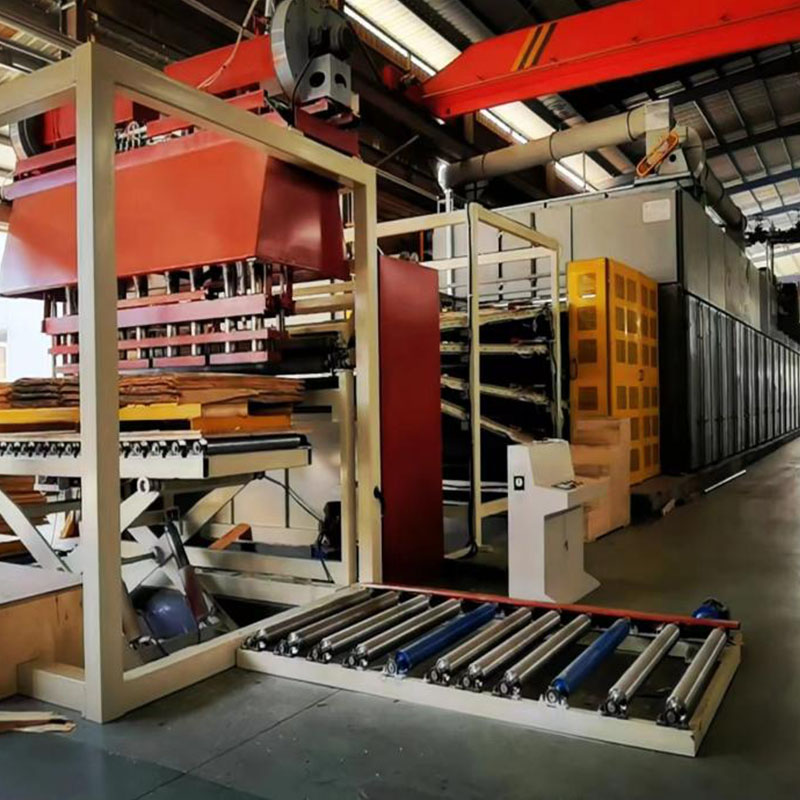
Confirm Where the Moisture Variation Occurs
An average moisture reading can hide a wet edge or a small group of wet sheets. Establish the acceptable range for the adhesive and production process, then compare individual readings against that range.
Compare Measurements Across Sheets and Dryer Decks
Use a repeatable sampling pattern across the sheet, including its edges and centre. Label readings by deck, feeding position, material batch and collection time. Follow the meter manufacturer's instructions for veneer thickness, species settings and any temperature correction. Readings taken using different methods are difficult to compare.
A wet band repeatedly appearing in the same feeding lane suggests a local condition worth investigating. Scattered wet sheets may instead reflect differences in incoming material. These patterns narrow the search; neither proves the cause by itself. Keep the observations alongside the mill's routine veneer drying checks.
Separate Uneven Drying from Moisture Regain
Compare results after cooling with readings taken before gluing, using comparable measurement conditions. If the veneer meets the agreed range after drying but changes during storage, inspect the storage environment and handling interval. A later moisture problem should not automatically trigger a hotter dryer setting.
Check Incoming Veneer Before Changing Dryer Settings
Once the variation is mapped, compare the affected sheets with the material entering the line. Species, thickness and initial moisture influence how much drying a sheet needs. Two sheets that look similar can require different residence times.
Check actual thickness rather than relying entirely on the nominal peeling setting. Where incoming moisture varies widely, trial a more consistent material group through the existing process. If its outlet readings become more consistent, improve sorting before making broad equipment adjustments.
Keep feeding reasonably steady during the comparison. Results from a lightly loaded start-up period may differ from those under sustained production. Record interruptions and loading changes so they are not mistaken for an unexplained machine fault.
Inspect Airflow, Heat Supply and Exhaust
If variation persists with comparable incoming veneer, use its location to guide the equipment inspection. Complete internal cleaning and mechanical checks only after the machine has been stopped, isolated and made safe under its operating procedures.
Trace Wet Areas to Air Distribution
Hot air must reach the veneer across the working width. Debris in jet boxes or heat exchangers can restrict circulation. A fan problem may also leave one area receiving different drying conditions from another.
For example, the BG1334 Dört Katlı Silindirli Kaplama Kurutma Makinesi uses circulating hot air delivered through jetting bellows, with heating fans arranged on both sides of its front and rear heating areas. A recurring wet lane therefore warrants checking the relevant air path and fan operation, rather than assuming every deck needs a higher temperature.
Check Heat Transfer and Moisture Removal
When several decks become wetter at the same time, compare the production record with heat-supply conditions. On a steam-heated machine, reduced supply pressure or poor condensate discharge can reduce heating performance. Dirty heat-exchanger surfaces also deserve attention.
Exhaust settings affect the removal of moist air and the demand for replacement air. Opening exhaust further without checking the rest of the system may increase heat loss. Inspect the exhaust path and controls against the equipment specification. Xiangying's roller veneer dryer troubleshooting guide identifies heat-supply, fan, heater-cleanliness and exhaust faults as inspection points.
Adjust Line Speed and Verify the Next Batch
After correcting identified faults, review residence time using a consistent veneer group. Slower conveying gives material more time inside the heating sections, but it does not correct a blocked air path. It may also dry the acceptable sheets further.
Change one operating setting at a time within the manufacturer's limits. Record the change and allow the affected material to travel through the dryer before judging the result. Repeated adjustments based on sheets that entered under earlier settings can make the process harder to control.
Repeat the original sampling pattern under a comparable load. Check the range of readings, the number of sheets outside the agreed limits and visible damage. A lower average is not sufficient if wet areas remain or splitting increases. Retain the successful settings with the material conditions to which they apply.
For a hypothetical trial, suppose wet readings repeatedly occur on the left side of one deck. After an air-path obstruction is removed, sample that position again along with the centre and right side. Keep the incoming veneer group and conveying speed comparable. If the left-side readings improve while the other positions remain acceptable, the result supports the repair. If the pattern returns with a different material batch, compare its incoming condition before repeating the same adjustment. This is a way to test a suspected cause, rather than evidence that every wet lane has an airflow fault.
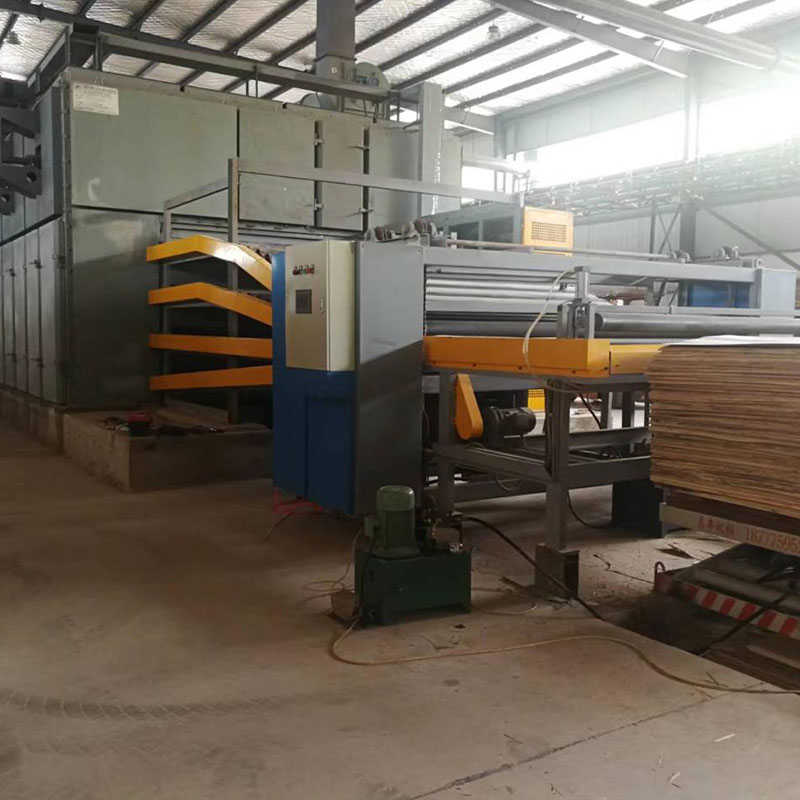
Veneer Drying Troubleshooting Support from Xiangying
Xiangying manufactures mesh belt, roller and combined veneer dryers. Its published troubleshooting information covers heating, airflow, conveying and cooling faults.
If the cause remains unclear, contact the team for help identifying the next inspection steps. A machine model and a brief description of the moisture pattern are useful starting points. Available operating records, photographs or video can help explain what changed and where the problem occurs.
Conclusion
Investigate uneven veneer moisture by locating the variation first. Compare incoming material, inspect the relevant air and heating systems, then verify any setting change with consistent measurements. This sequence gives the mill a clearer basis for adjustment than responding to every wet sheet with more heat or a slower line.
FAQs
Can Touch or Colour Confirm That Veneer Is Dry Enough?
No. Appearance and touch can flag a concern, but acceptance should rely on an appropriate moisture measurement method. The required moisture range comes from the adhesive and manufacturing process.
Should Wet Veneer Always Go Through the Dryer Again?
No. Segregate it and confirm its moisture before deciding on re-drying. Use an approved procedure for that material; another pass can overdry areas that already meet the requirement.
Does Moisture Variation Mean the Dryer Needs Replacing?
No. Review material variation, maintenance and operating records first. Equipment modification or replacement becomes a separate assessment when the required duty cannot be met under verified operating conditions.



İlgili Ürünler
En Çok Satan Ürünler
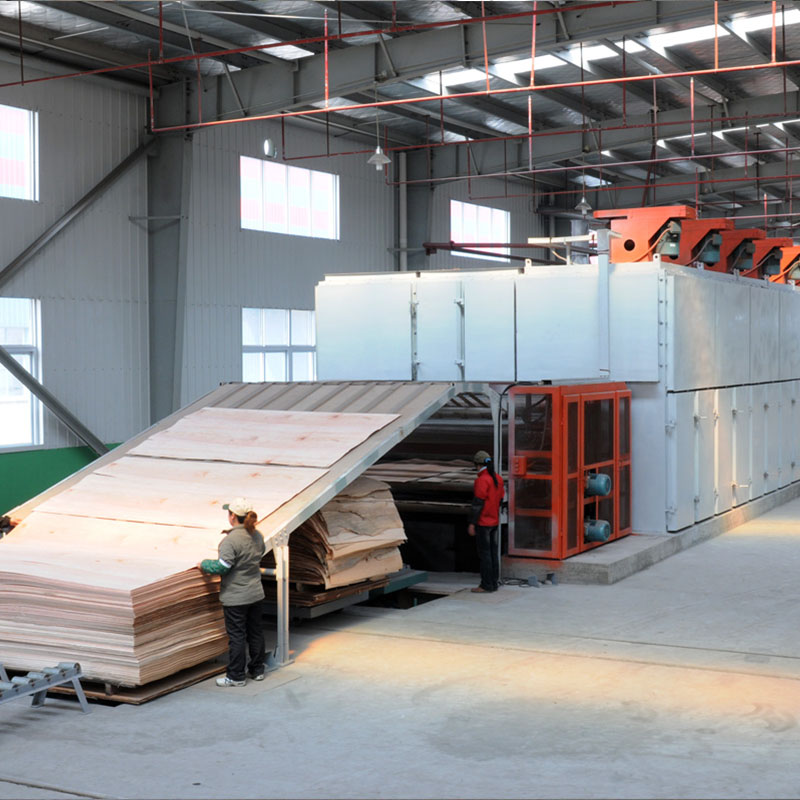
BG1933B Üç Katlı Fileli Silindirli Kombine Kaplama Kurutma Makinesi
Ürünümüz, hem ağ hem de silindir yapısına sahip, düz hatlı, enine sirkülasyonlu bir ağ silindirli kurutucu çeşididir. Ağ silindirli kaplama kurutucu, ağ ve silindir olmak üzere iki katmana sahiptir; aynı anda yüzey levhası ve kalın çekirdek levhayı kurutma işlemi gerçekleştirebilir. Daha az yer kaplaması ve tek bir makinenin çok amaçlı kullanımı gibi avantajlara sahiptir.
Ürünümüz, Avrupa kurutucularının avantajlarını birleştiren, düz hatlı, enine sirkülasyonlu ağ silindirli bir kurutucu türüdür. Yan tarafa monte edilmiş santrifüj fanlar (hava akışı 62 bin m³/saat) kullanır. Yeni ısı eşanjörü ve dikdörtgen değişken kesitli püskürtme kutuları, ısıtma havası için kaplama yüzeyinin homojenliğini sağlar. Ön ve arka bölgelerdeki ısıtma bölümlerinin fanları sol ve sağ tarafa monte edilmiştir, böylece kurutma sonrasında kaplamaların aynı son nem oranına sahip olması sağlanır. Ayrıca, nemli iklim koşulları için kurutucuya soğutma açık bölümlerinin uzunluğu eklenmiştir; bu da kaplamaların nemlenmesini önleyerek soğutma avantajı sağlar.
Kurutma makinesinin ısıtma sistemi buhar veya yağ kazanı kullanır. Yağ kazanı kullanılıyorsa, sistem güvenliğine dikkat edilmelidir; ısıtma sistemi boruları ve ısı eşanjörlerinde karbon birikmesi ve yangın kazaları önlenmelidir. Sisteme su, asit ve düşük kaynama noktalı maddelerin girmesine izin verilmemelidir.
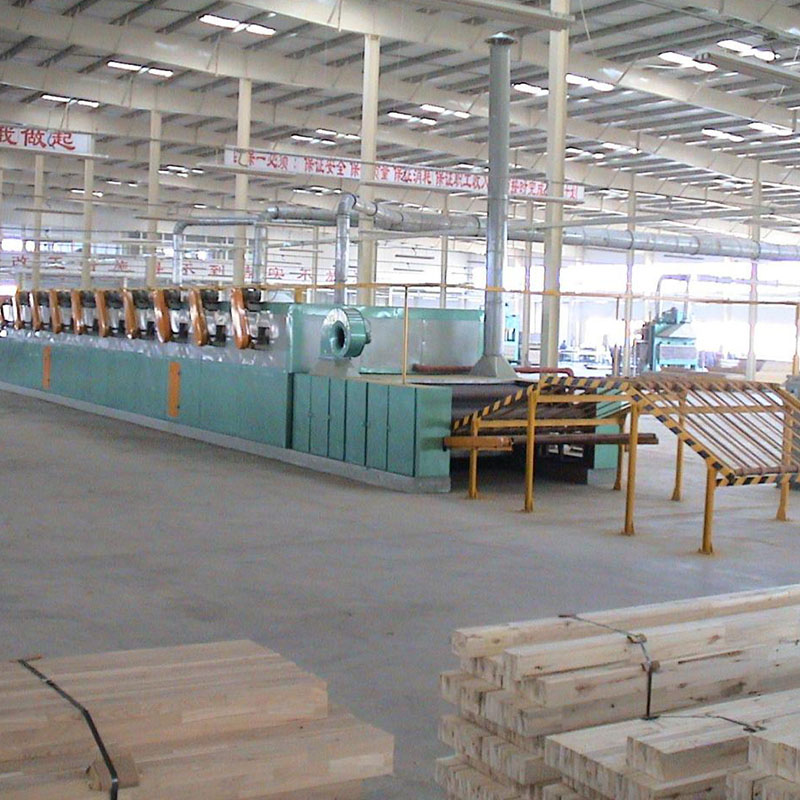
BG1932 İki Katlı Fileli Silindirli Kombine Kaplama Kurutma Makinesi
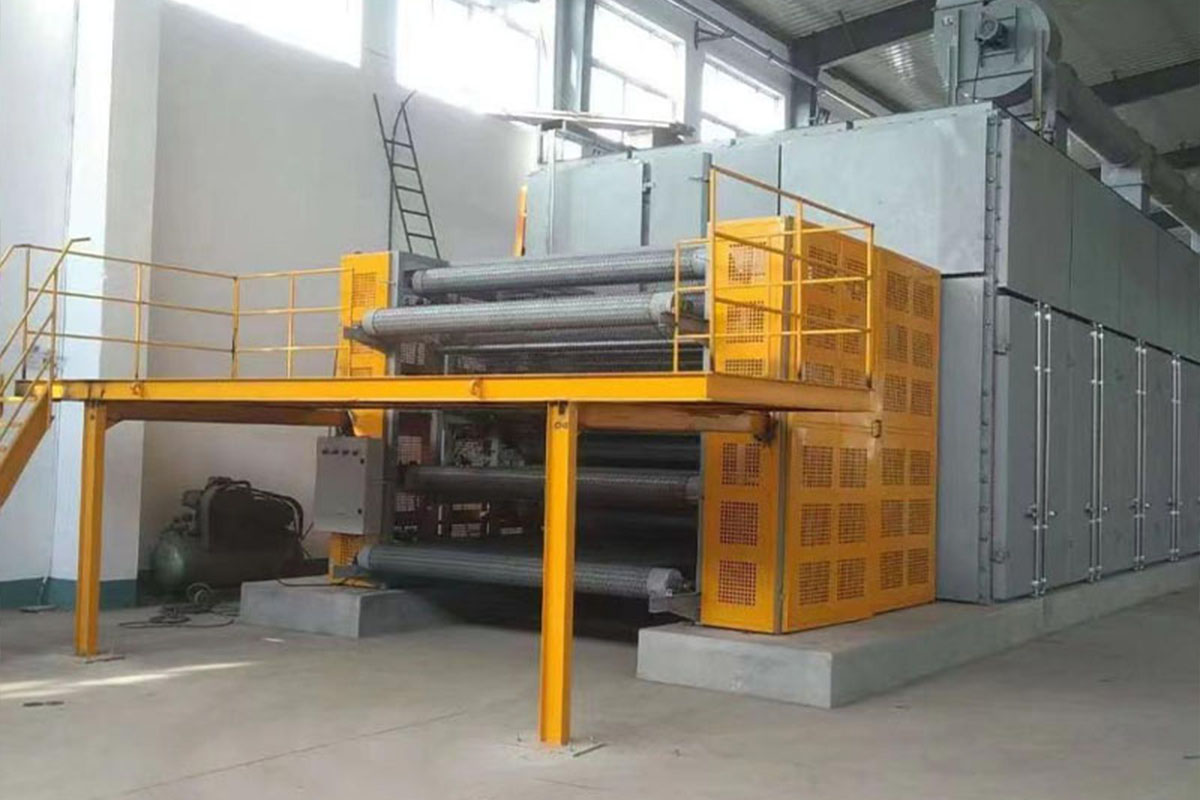
BG1932 2 katmanlı ağlı silindirli kaplama kurutucu, ağ ve silindir olmak üzere iki katmana sahiptir; aynı anda yüzey levhası ve kalın çekirdek levhayı kurutma işlemi yapabilir. Daha az yer kaplaması ve tek bir makinenin çok amaçlı kullanımı gibi avantajlara sahiptir.
BG1932 ağ silindirli kurutma makinesi, ünite yapısı prensibiyle tasarlanmıştır ve standart tipi 10 bölümden oluşmaktadır. Bir kurutma alanı için standart olarak 2 metre, bir bölüm soğutma odası, bir tahrik sistemi, giriş silindir tablası ve çıkış silindir tablası bulunmaktadır. Müşteri, ihtiyaçlarına göre kurutma makinesinin bölüm sayısını seçebilir (5 bölümden 15 bölüme kadar).
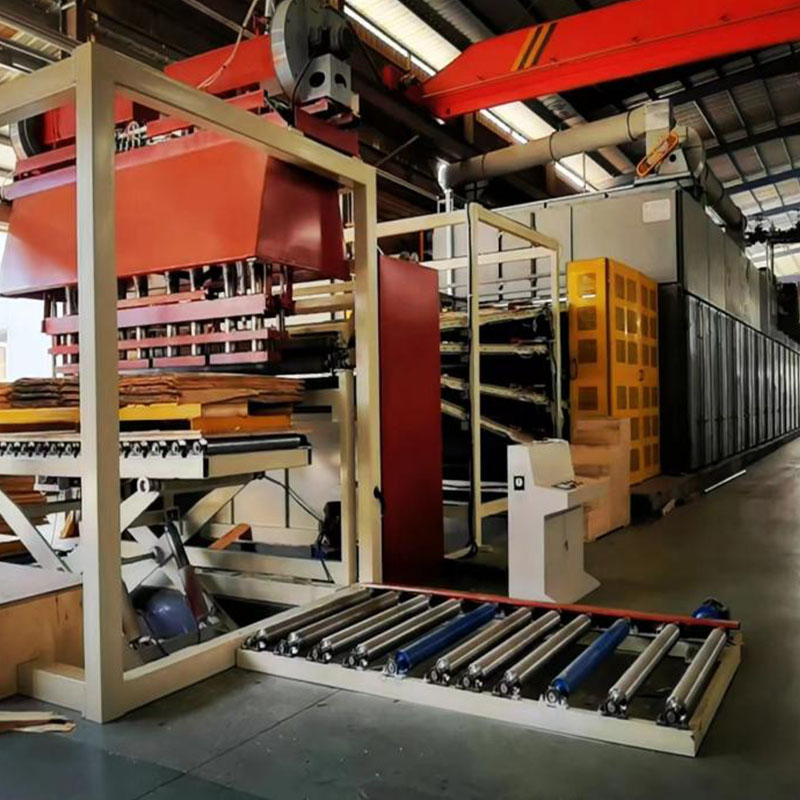
BG1334 Dört Katlı Silindirli Kaplama Kurutma Makinesi
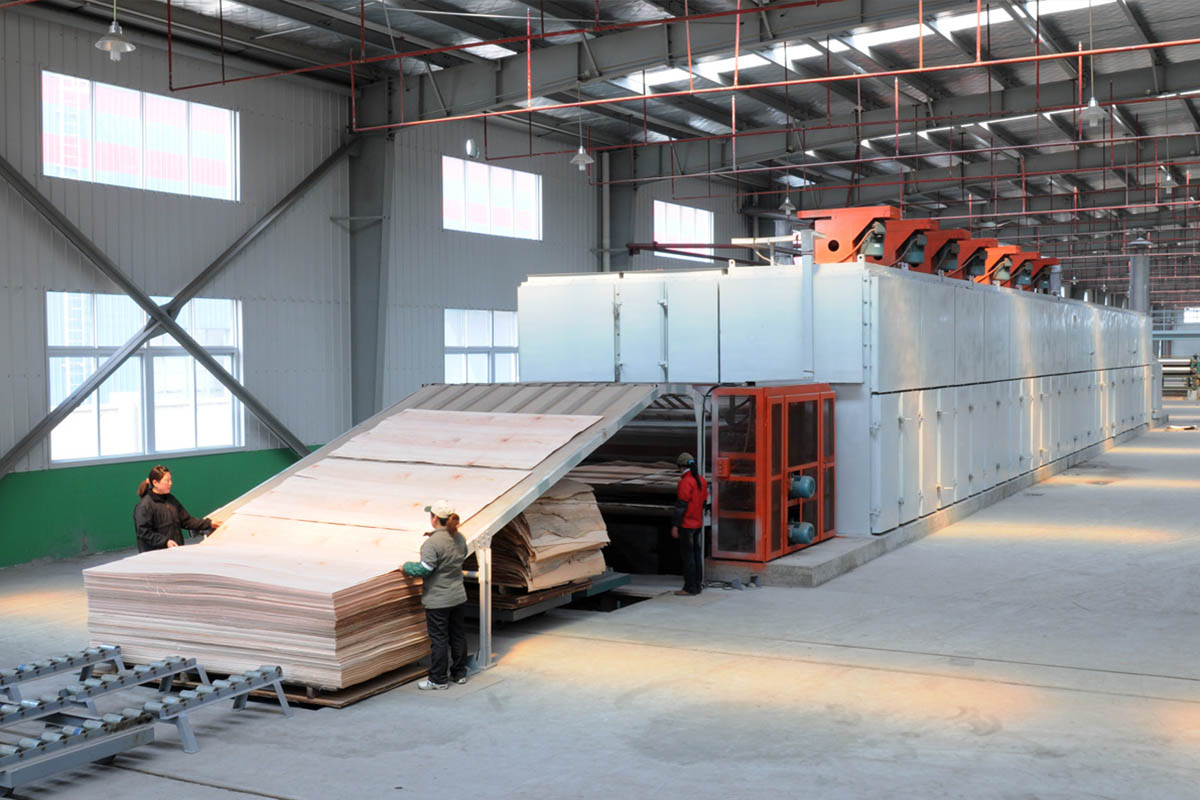
BG1334 4 katlı jetli silindirli kaplama kurutucu, taşıma sistemi, ısıtma bölümü, buhar sistemi, soğutma bölümü, egzoz sistemi ve giriş-çıkış silindir sisteminden oluşmaktadır. Isıtma bölümü, her iki tarafta da ısıtma fanları bulunan ön ve arka olmak üzere iki parçadan oluşmakta olup, her noktada tutarlı bir son nem seviyesi sağlamaktadır.
Isıtma işleminde, hava dik santrifüj fanlar tarafından ısıtıcılara sıkıştırılır ve ardından püskürtme körüklerine sıkıştırılır. Daha sonra, sıcak hava, kurutma için silindirler arasında taşınan kaplamaların üzerine püskürtülür. Sıcak nemli hava daha sonra dairesel kullanım için tekrar santrifüj fanlara çekilir. Uygun hava nemini korumak için sıcak nemli havanın bir kısmı, bir miktar taze hava ile değiştirilerek egzoz sistemi aracılığıyla dışarı atılır. Teknolojik koşullara uyarlanır: önce kesme; sonra kurutma. Esas olarak kaplamaların çekirdek levhasının kurutulmasıyla ilgilidir. Kuru kaplamanın lif yönü, giriş kaplamasıyla aynıdır ve genişlik 350 mm'den fazla olmalıdır, aksi takdirde kaplamaların duvar oluşturması fenomeni meydana gelir.
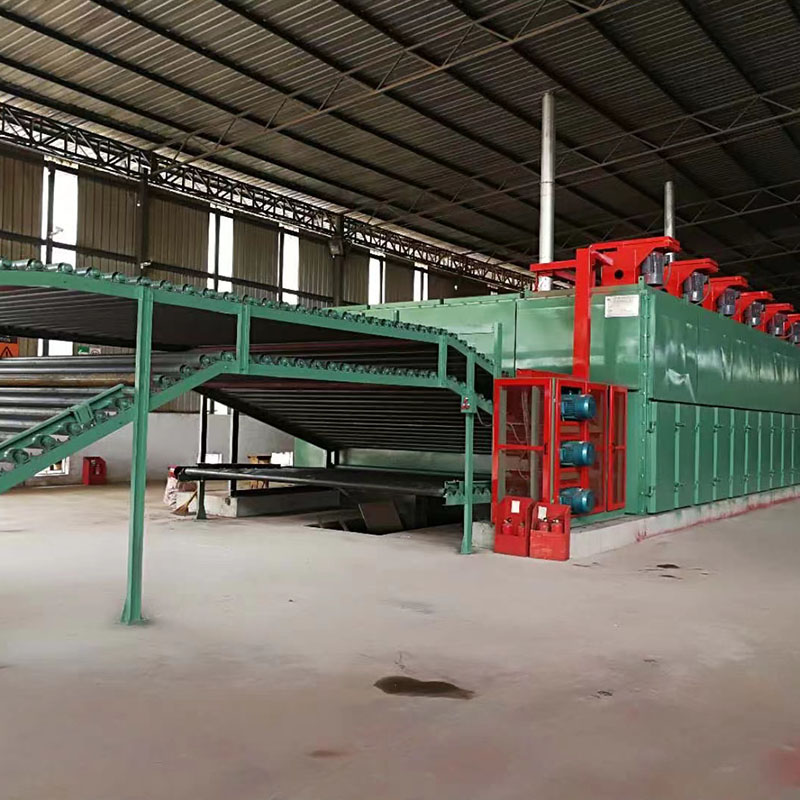
BG1333 Üç Katlı Silindirli Kaplama Kurutma Makinesi
BG1333 3 katlı jetli silindirli kaplama kurutucu, taşıma sistemi, ısıtma bölümü, buhar sistemi, soğutma bölümü, egzoz sistemi ve giriş-çıkış silindir sisteminden oluşmaktadır. Isıtma bölümü, her iki tarafta da ısıtma fanları bulunan ön ve arka olmak üzere iki parçadan oluşmakta olup, her noktada tutarlı bir son nem seviyesi sağlamaktadır.
Isıtma işleminde, hava dik santrifüj fanlar tarafından ısıtıcılara sıkıştırılır ve ardından püskürtme körüklerine sıkıştırılır. Daha sonra, sıcak hava kurutma için silindirler arasında taşınan kaplamalara püskürtülür. Sıcak nemli hava daha sonra dairesel kullanım için tekrar santrifüj fanlara çekilir. Uygun hava nemini korumak için sıcak nemli havanın bir kısmı, bir miktar taze hava ile değiştirilerek egzoz sistemi aracılığıyla dışarı atılır.
Teknolojik koşullara uyum sağlar: önce kesilir, sonra kurutulur. Esas olarak kaplama levhalarının kurutulmasıyla yapılır. Kurutulmuş kaplamanın lif yönü, giriş kaplamasıyla aynıdır ve genişliği 350 mm'den fazla olmalıdır, aksi takdirde kaplamaların duvar gibi üst üste binmesi olayı meydana gelir.
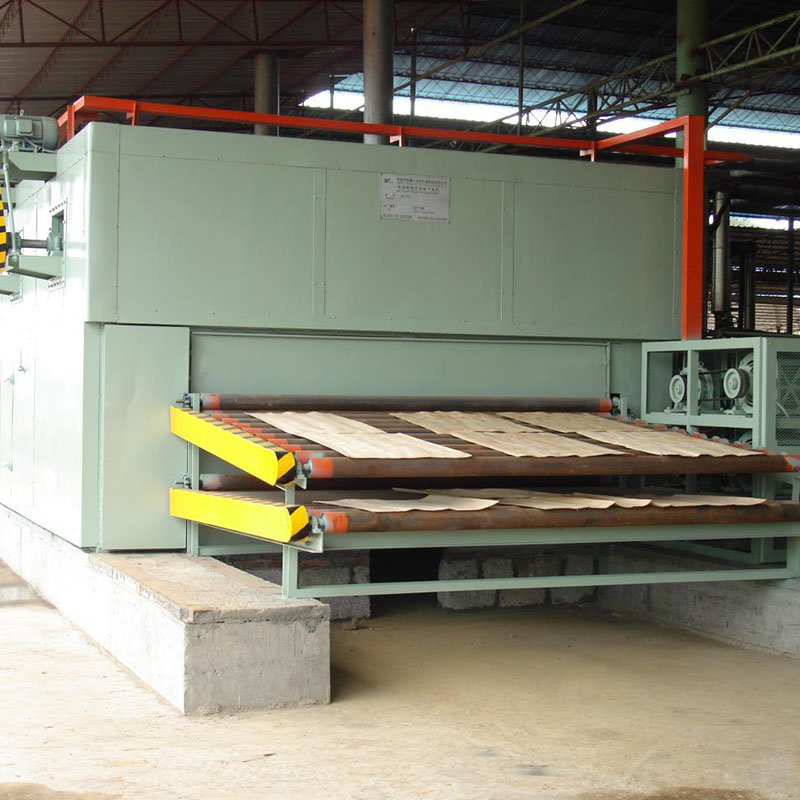
BG1332 İki Katlı Silindirli Kaplama Kurutma Makinesi
BG1332 2 katlı jetli silindirli kaplama kurutucu, kaplama üretiminde kullanılan temel bir ekipmandır. Teknolojik koşullara uyum sağlar: önce kesim, sonra kurutma. Esas olarak kaplamaların çekirdek levhalarının kurutulmasında kullanılır. Kurutulmuş kaplamanın lif yönü, giriş kaplamasıyla aynıdır ve genişliği 350 mm'den fazla olmalıdır, aksi takdirde kaplamaların duvarlaşması fenomeni meydana gelir. Her kurutma ünitesinde bir vantilatör bulunur; düz taşımalı enine - sirkülasyonlu jetleme yöntemini benimser ve ısıyı içeri vererek nemin (ıslaklığın) dışarı atılmasını sağlar, kurutma hızını önemli ölçüde artırır. Ayrıca, kaplamanın orantılı bir şekilde kurumasını sağlar ve nem oranının bükülmesini azaltır. Ürün bazı avantajlara sahiptir: kullanım kolaylığı, güvenilir güvenlik vb. Bu nedenle, kaplama üretim sürecinde kalın kaplamaların kurutulması için mükemmel bir üründür.
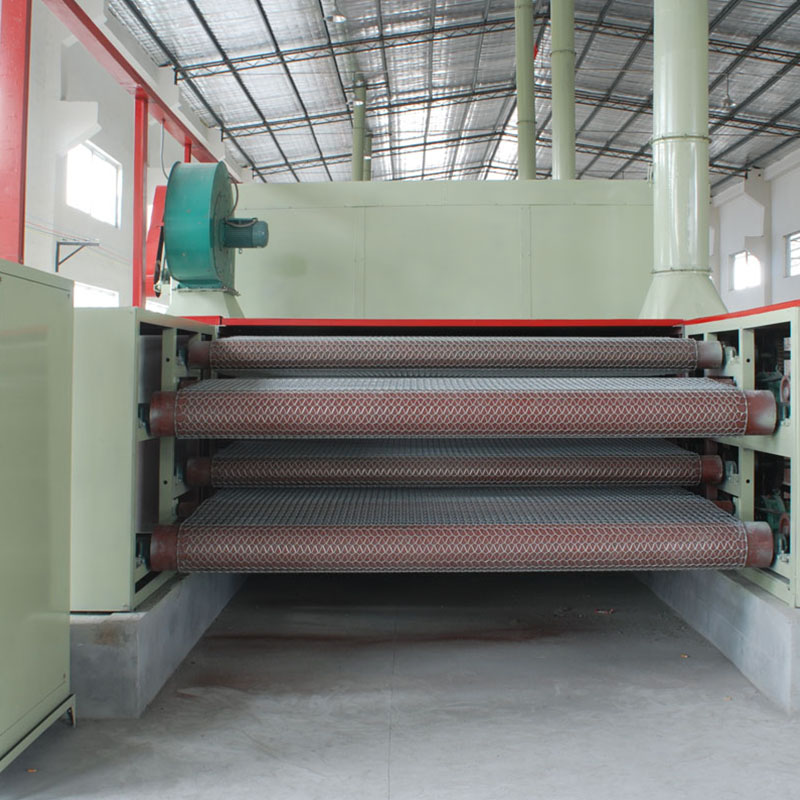
BG183 İki Katlı File Bantlı Kaplama Kurutma Makinesi
Ürünümüz, sürekli kurutma ekipmanı türünde, enine sirkülasyonlu dikey püskürtmeli bantlı kurutucudur. Ürünümüz, mimari kalıp levhası, doğrama levhası, döşeme levhası, konteyner alt levhası vb. üretiminde kullanılabilen üst ve alt kaplama levhalarının kurutma işleminde uygulanabilir. Daha az alan kaplayarak daha fazla kullanım sağlayan, yurt içi ve yurt dışındaki gelişmiş kaplama kurutucularının avantajlarını bir araya getiren ve ekonomiklik, güvenilirlik ve yüksek kalite amacıyla tasarlanan ürünümüz, verimliliği artırmayı, ürün kalitesini iyileştirmeyi, enerji tüketimini ve üretim maliyetini düşürmeyi ve tatmin edici bir kar artışı sağlamayı garanti eder.
Standart tipte 13 ısıtma bölümü, bir soğutma bölümü (solda) bulunur ve üretim, verimlilik, yerleşim ve konumla ilgili taleplerinizi karşılamak için uygun ısıtma bölümlerini ekleyebilir veya çıkarabilir ve başlık tipini ayarlayabiliriz. En az yatırımla en yüksek üretim kapasitesini elde etmenize yardımcı olmak için elimizden gelenin en iyisini yapacağız.