Uneven Moisture After Veneer Drying: Causes and Troubleshooting

TENTANG KAMI
Xiangying adalah produsen profesional pengering veneer dan peralatan kayu lapis.
Lahan kami seluas 18.000 m² mencakup bangunan seluas 15.000 m², yang mendukung pengembangan produk, manufaktur, dan layanan bagi pelanggan di Tiongkok dan luar negeri.
DAPATKAN PENAWARAN GRATIS
Eror: Formulir kontak tidak ditemukan.
-
Rumah

-
Blog
-
Berita Terkini
- Uneven Moisture After Veneer Drying: Causes and Troubleshooting
Uneven Moisture After Veneer Drying: Causes and Troubleshooting
-
admin
- 19,November
Uneven moisture after veneer drying means that sheets, or different areas of one sheet, leave the dryer at different moisture contents. The cause may be in the incoming veneer, the drying conditions or the way moisture is measured. Raising the temperature before identifying the pattern can leave the wetter material unresolved while overdrying sheets that were already acceptable.
For a plywood mill, the useful starting point is a record of where and when the variation appears. That record helps the production team decide whether to sort the material, inspect the dryer or revise its operating settings.
Confirm Where the Moisture Variation Occurs
An average moisture reading can hide a wet edge or a small group of wet sheets. Establish the acceptable range for the adhesive and production process, then compare individual readings against that range.
Compare Measurements Across Sheets and Dryer Decks
Use a repeatable sampling pattern across the sheet, including its edges and centre. Label readings by deck, feeding position, material batch and collection time. Follow the meter manufacturer's instructions for veneer thickness, species settings and any temperature correction. Readings taken using different methods are difficult to compare.
A wet band repeatedly appearing in the same feeding lane suggests a local condition worth investigating. Scattered wet sheets may instead reflect differences in incoming material. These patterns narrow the search; neither proves the cause by itself. Keep the observations alongside the mill's routine veneer drying checks.
Separate Uneven Drying from Moisture Regain
Compare results after cooling with readings taken before gluing, using comparable measurement conditions. If the veneer meets the agreed range after drying but changes during storage, inspect the storage environment and handling interval. A later moisture problem should not automatically trigger a hotter dryer setting.
Check Incoming Veneer Before Changing Dryer Settings
Once the variation is mapped, compare the affected sheets with the material entering the line. Species, thickness and initial moisture influence how much drying a sheet needs. Two sheets that look similar can require different residence times.
Check actual thickness rather than relying entirely on the nominal peeling setting. Where incoming moisture varies widely, trial a more consistent material group through the existing process. If its outlet readings become more consistent, improve sorting before making broad equipment adjustments.
Keep feeding reasonably steady during the comparison. Results from a lightly loaded start-up period may differ from those under sustained production. Record interruptions and loading changes so they are not mistaken for an unexplained machine fault.
Inspect Airflow, Heat Supply and Exhaust
If variation persists with comparable incoming veneer, use its location to guide the equipment inspection. Complete internal cleaning and mechanical checks only after the machine has been stopped, isolated and made safe under its operating procedures.
Trace Wet Areas to Air Distribution
Hot air must reach the veneer across the working width. Debris in jet boxes or heat exchangers can restrict circulation. A fan problem may also leave one area receiving different drying conditions from another.
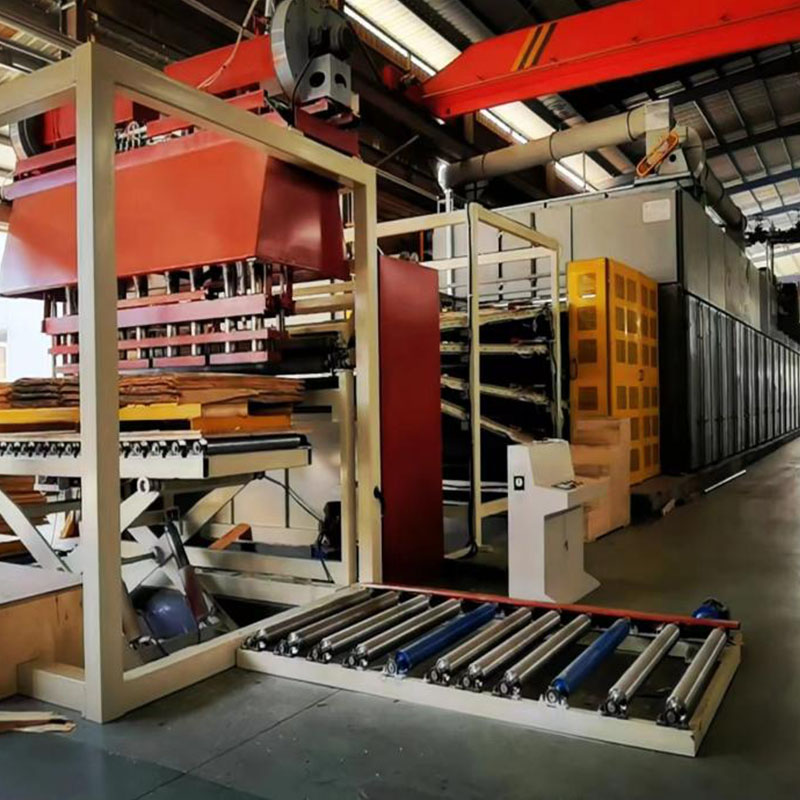
For example, the Pengering Veneer Rol Empat Tingkat BG1334 uses circulating hot air delivered through jetting bellows, with heating fans arranged on both sides of its front and rear heating areas. A recurring wet lane therefore warrants checking the relevant air path and fan operation, rather than assuming every deck needs a higher temperature.
Check Heat Transfer and Moisture Removal
When several decks become wetter at the same time, compare the production record with heat-supply conditions. On a steam-heated machine, reduced supply pressure or poor condensate discharge can reduce heating performance. Dirty heat-exchanger surfaces also deserve attention.
Exhaust settings affect the removal of moist air and the demand for replacement air. Opening exhaust further without checking the rest of the system may increase heat loss. Inspect the exhaust path and controls against the equipment specification. Xiangying's roller veneer dryer troubleshooting guide identifies heat-supply, fan, heater-cleanliness and exhaust faults as inspection points.
Adjust Line Speed and Verify the Next Batch
After correcting identified faults, review residence time using a consistent veneer group. Slower conveying gives material more time inside the heating sections, but it does not correct a blocked air path. It may also dry the acceptable sheets further.
Change one operating setting at a time within the manufacturer's limits. Record the change and allow the affected material to travel through the dryer before judging the result. Repeated adjustments based on sheets that entered under earlier settings can make the process harder to control.
Repeat the original sampling pattern under a comparable load. Check the range of readings, the number of sheets outside the agreed limits and visible damage. A lower average is not sufficient if wet areas remain or splitting increases. Retain the successful settings with the material conditions to which they apply.
For a hypothetical trial, suppose wet readings repeatedly occur on the left side of one deck. After an air-path obstruction is removed, sample that position again along with the centre and right side. Keep the incoming veneer group and conveying speed comparable. If the left-side readings improve while the other positions remain acceptable, the result supports the repair. If the pattern returns with a different material batch, compare its incoming condition before repeating the same adjustment. This is a way to test a suspected cause, rather than evidence that every wet lane has an airflow fault.
Veneer Drying Troubleshooting Support from Xiangying
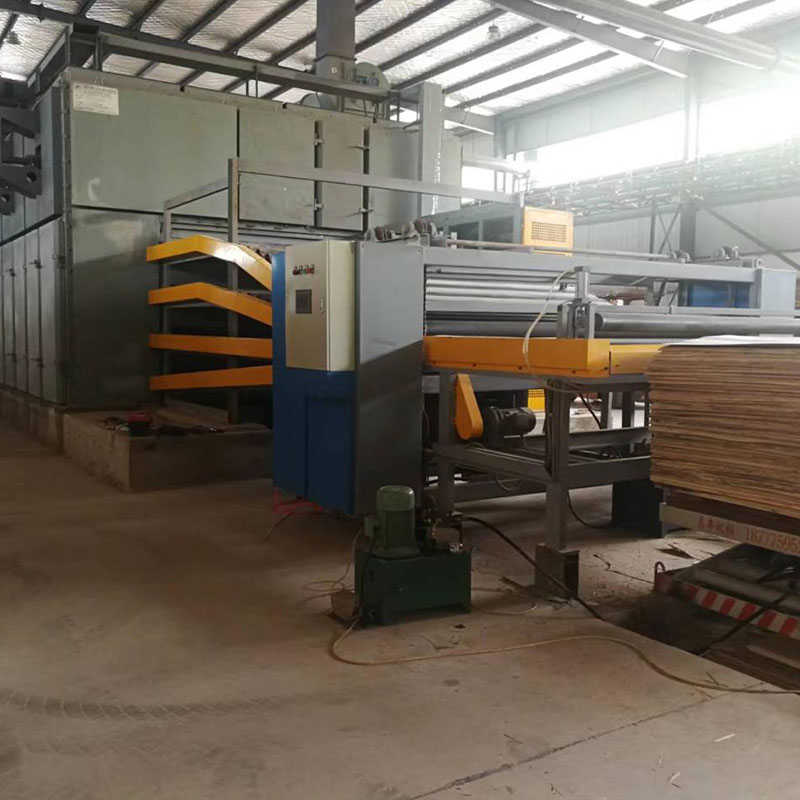
Xiangying manufactures mesh belt, roller and combined veneer dryers. Its published troubleshooting information covers heating, airflow, conveying and cooling faults.
If the cause remains unclear, contact the team for help identifying the next inspection steps. A machine model and a brief description of the moisture pattern are useful starting points. Available operating records, photographs or video can help explain what changed and where the problem occurs.
Conclusion
Investigate uneven veneer moisture by locating the variation first. Compare incoming material, inspect the relevant air and heating systems, then verify any setting change with consistent measurements. This sequence gives the mill a clearer basis for adjustment than responding to every wet sheet with more heat or a slower line.
FAQs
Can Touch or Colour Confirm That Veneer Is Dry Enough?
No. Appearance and touch can flag a concern, but acceptance should rely on an appropriate moisture measurement method. The required moisture range comes from the adhesive and manufacturing process.
Should Wet Veneer Always Go Through the Dryer Again?
No. Segregate it and confirm its moisture before deciding on re-drying. Use an approved procedure for that material; another pass can overdry areas that already meet the requirement.
Does Moisture Variation Mean the Dryer Needs Replacing?
No. Review material variation, maintenance and operating records first. Equipment modification or replacement becomes a separate assessment when the required duty cannot be met under verified operating conditions.




Produk Terkait
Produk Terlaris
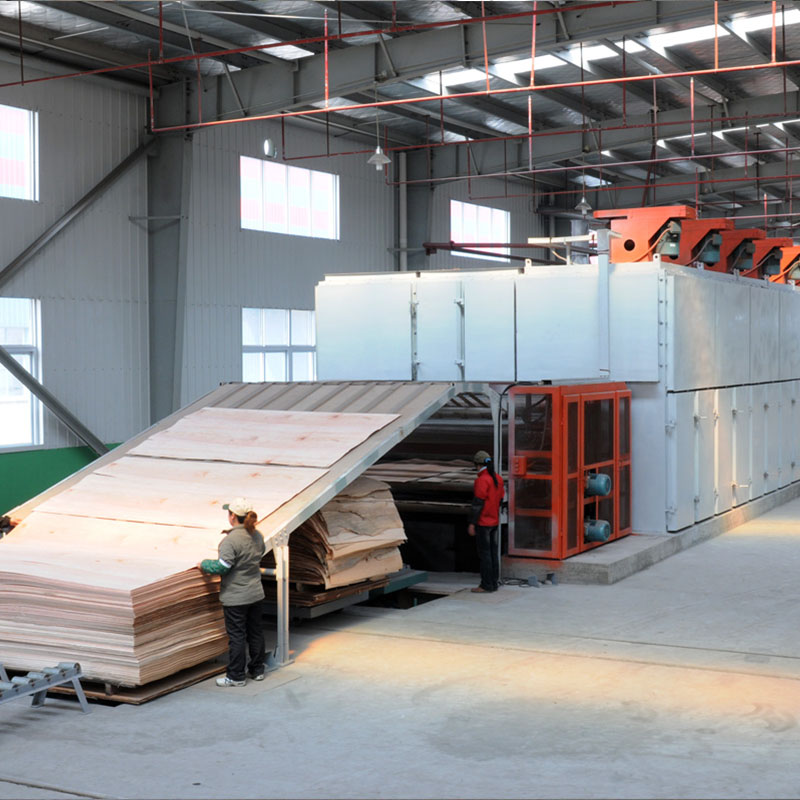
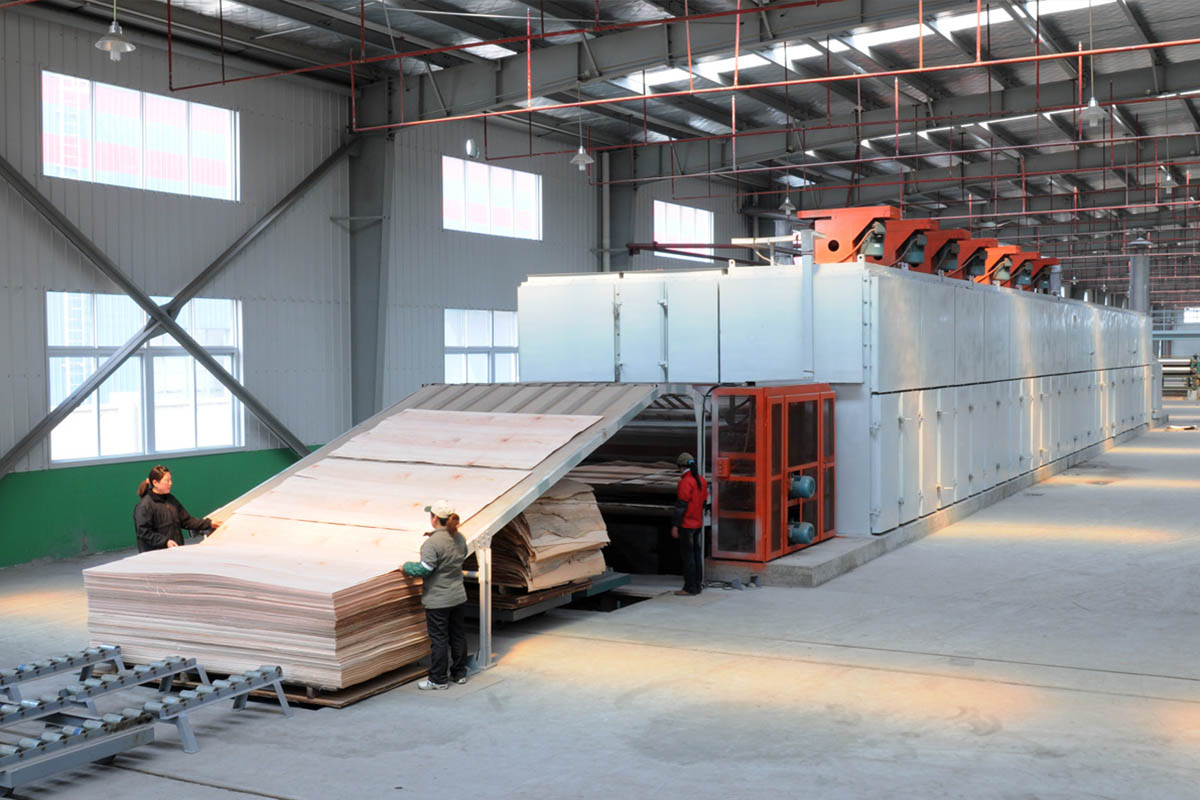
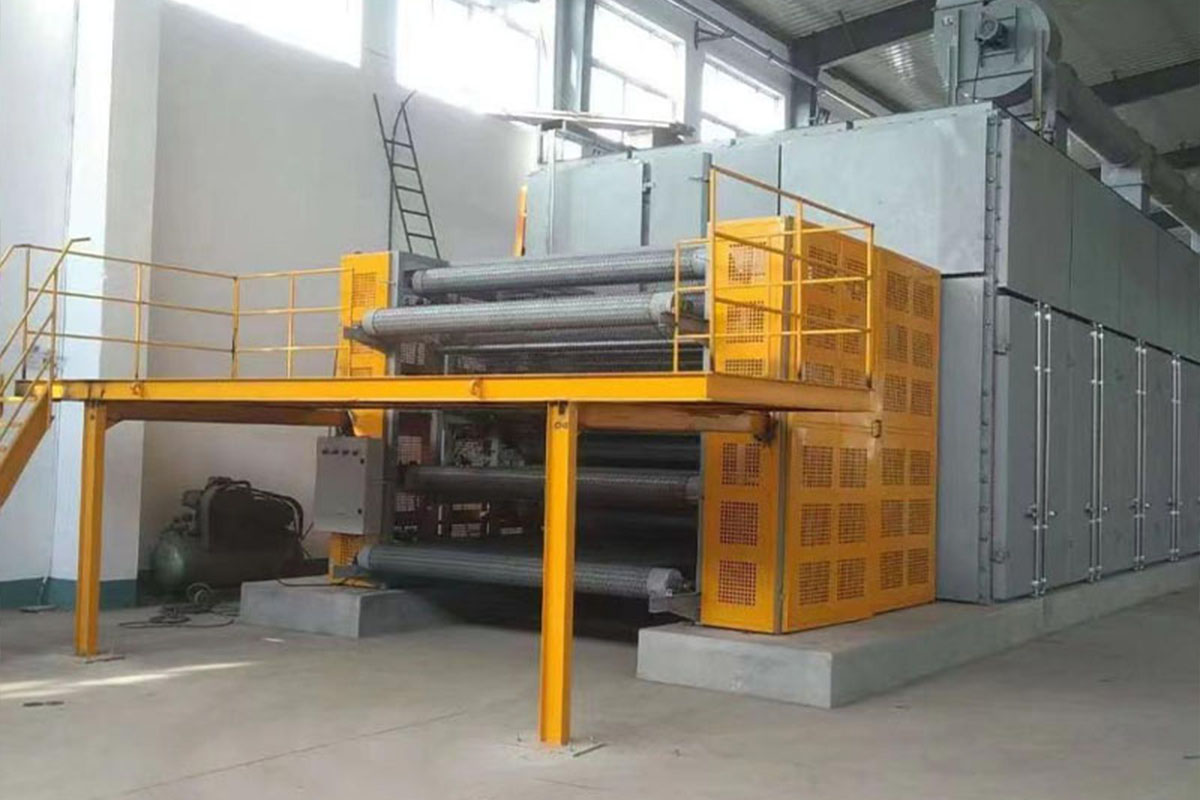
Pengering Veneer Kombinasi Rol Jala Tiga Tingkat BG1933B
Produk kami adalah sejenis pengering rol jaring sirkulasi melintang konveyor lurus, yang dilengkapi dengan struktur jaring dan rol. Pengering veneer rol jaring memiliki dua jenis lapisan jaring dan rol; dapat digunakan untuk mengeringkan pelat muka dan pelat inti tebal secara bersamaan. Keunggulannya adalah membutuhkan ruang lahan yang lebih sedikit dan dapat digunakan untuk berbagai keperluan.
Produk kami adalah sejenis pengering rol jaring sirkulasi melintang konveyor lurus, yang menggabungkan keunggulan pengering Eropa. Pengering ini menggunakan kipas sentrifugal yang dilengkapi di samping (aliran udara 62 ribu m³/jam). Penukar panas baru dan kotak semprot penampang variabel persegi panjang membuat permukaan veneer seragam untuk udara pemanas. Kipas bagian pemanas di area depan dan belakang dilengkapi di sisi kiri dan kanan, sehingga veneer memiliki kelembapan akhir yang sama setelah dikeringkan. Selain itu, untuk kondisi iklim lembap, pengering ini menambahkan bagian terbuka pendingin yang panjang, yang menguntungkan pendinginan veneer karena mencegahnya menjadi lembap.
Sistem pemanas pengering menggunakan boiler uap atau minyak. Jika menggunakan boiler minyak, perlu diperhatikan keamanan sistemnya; tabung sistem pemanas dan penukar panas harus menghindari endapan karbon dan kecelakaan kebakaran. Jangan sampai air, zat asam, dan bahan dengan titik didih rendah masuk ke dalam sistem.
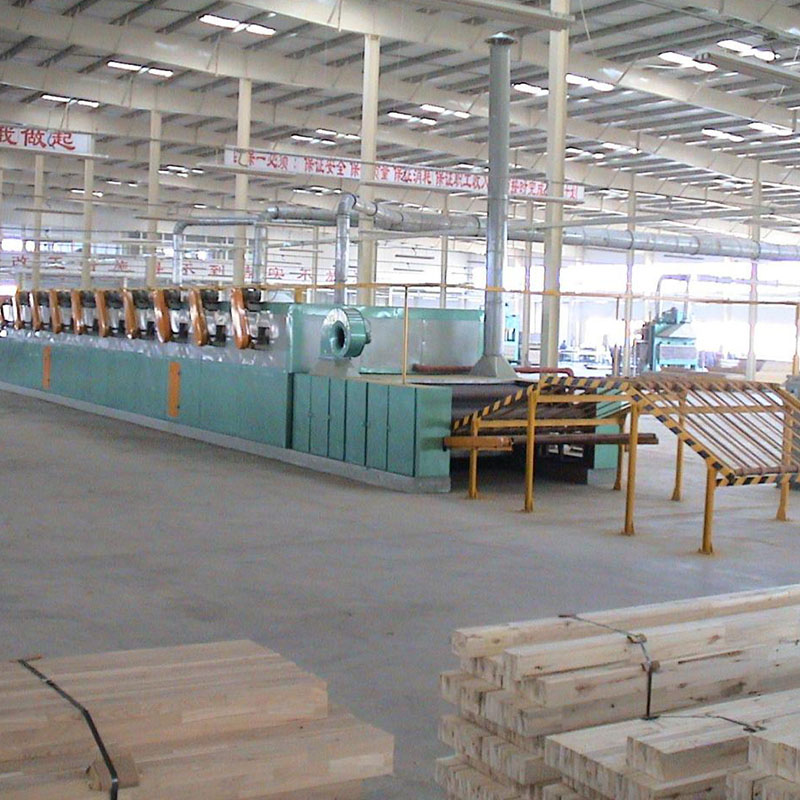
Pengering Veneer Kombinasi Rol Jala Dua Tingkat BG1932
Pengering veneer rol jaring 2 lapis BG1932 memiliki dua jenis lapisan jaring dan rol; dapat digunakan untuk mengeringkan pelat muka dan pelat inti tebal secara bersamaan. Keunggulannya adalah membutuhkan ruang yang lebih sedikit dan dapat digunakan untuk berbagai keperluan.
Mesin pengering rol jaring BG1932 dirancang berdasarkan prinsip struktur unit, tipe standarnya adalah 10 bagian. Luas standar untuk satu bagian pengering adalah 2 meter persegi, terdiri dari satu bagian ruang pendingin, satu sistem penggerak, meja rol masukan, dan meja rol keluaran. Pelanggan dapat memilih jumlah bagian mesin pengering sesuai kebutuhan (5 bagian hingga 15 bagian).
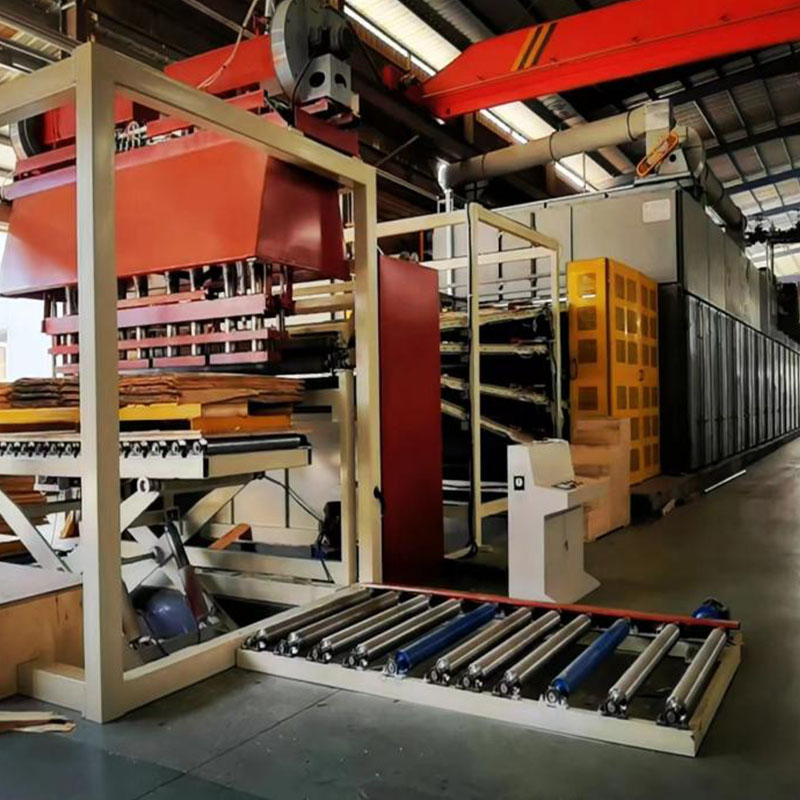
Pengering Veneer Rol Empat Tingkat BG1334
Pengering veneer rol jetting 4 dek BG1334 terdiri dari sistem konveyor, bagian pemanas, sistem uap, bagian pendingin, sistem pembuangan, dan sistem rol input & output. Bagian pemanas terdiri dari dua bagian, bagian depan dan belakang, dengan kipas pemanas yang dipasang di kedua sisi untuk memastikan kelembapan akhir yang konsisten di setiap titik.
Dalam proses pemanasan, udara dikompresi ke dalam pemanas oleh kipas sentrifugal tegak untuk pemanasan, dan kemudian dikompresi ke dalam bellow penyemprot. Setelah itu, udara panas disemprotkan ke veneer yang diangkut di antara rol untuk pengeringan. Udara lembap panas kemudian ditarik kembali ke kipas sentrifugal untuk penggunaan sirkular. Sebagian udara lembap panas dibuang melalui sistem pembuangan untuk diganti dengan udara segar agar kelembapan udara tetap terjaga. Proses ini menyesuaikan dengan kondisi teknologi: pertama, pemotongan; kedua, pengeringan. Proses ini terutama digunakan untuk mengeringkan papan inti veneer. Orientasi serat veneer kering sama dengan veneer masukan, dan lebarnya harus lebih dari 350 mm, atau akan terjadi fenomena penumpukan veneer.
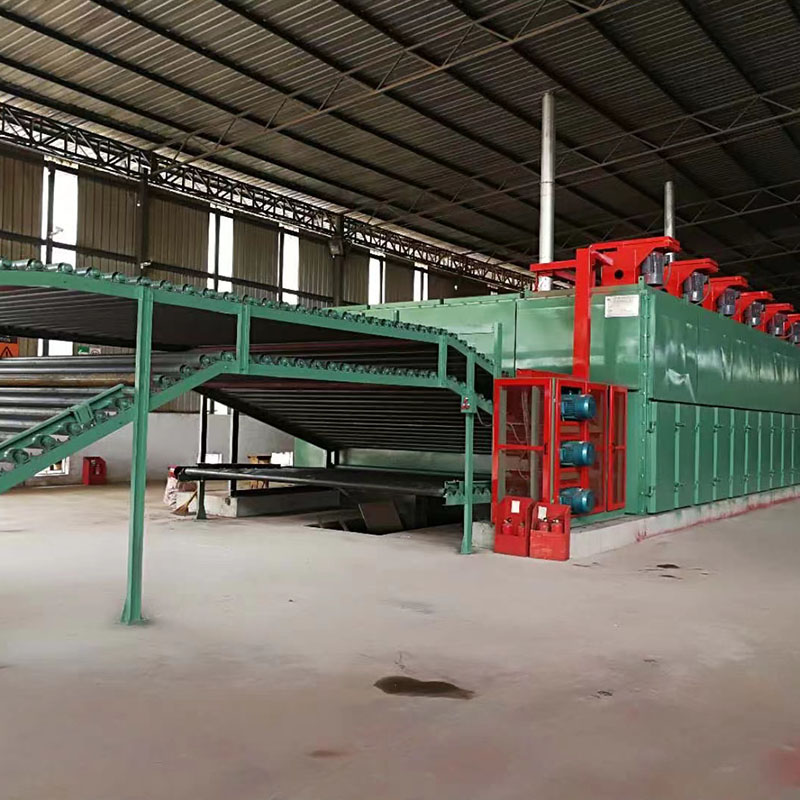
Pengering Veneer Rol Tiga Tingkat BG1333
Pengering veneer rol jetting 3 dek BG1333 terdiri dari sistem konveyor, bagian pemanas, sistem uap, bagian pendingin, sistem pembuangan, dan sistem rol input & output. Bagian pemanas terdiri dari dua bagian, bagian depan dan belakang, dengan kipas pemanas yang dipasang di kedua sisi untuk memastikan kelembapan akhir yang konsisten di setiap titik.
Dalam proses pemanasan, udara dikompresi ke dalam pemanas oleh kipas sentrifugal tegak untuk pemanasan, dan kemudian dikompresi ke dalam bellow penyemprot. Setelah itu, udara panas disemprotkan ke veneer yang diangkut di antara rol untuk pengeringan. Udara lembap panas kemudian ditarik kembali ke kipas sentrifugal untuk penggunaan sirkular. Sebagian udara lembap panas dibuang melalui sistem pembuangan untuk diganti dengan udara segar agar kelembapan udara tetap terjaga.
Prosesnya disesuaikan dengan kondisi teknologi: pertama, pemotongan; kedua, pengeringan. Terutama digunakan untuk mengeringkan papan inti veneer. Orientasi serat veneer kering sama dengan veneer yang dimasukkan, dan lebarnya harus lebih dari 350 mm, jika tidak akan terjadi fenomena penumpukan veneer.
Pengering Veneer Rol Dua Tingkat BG1332
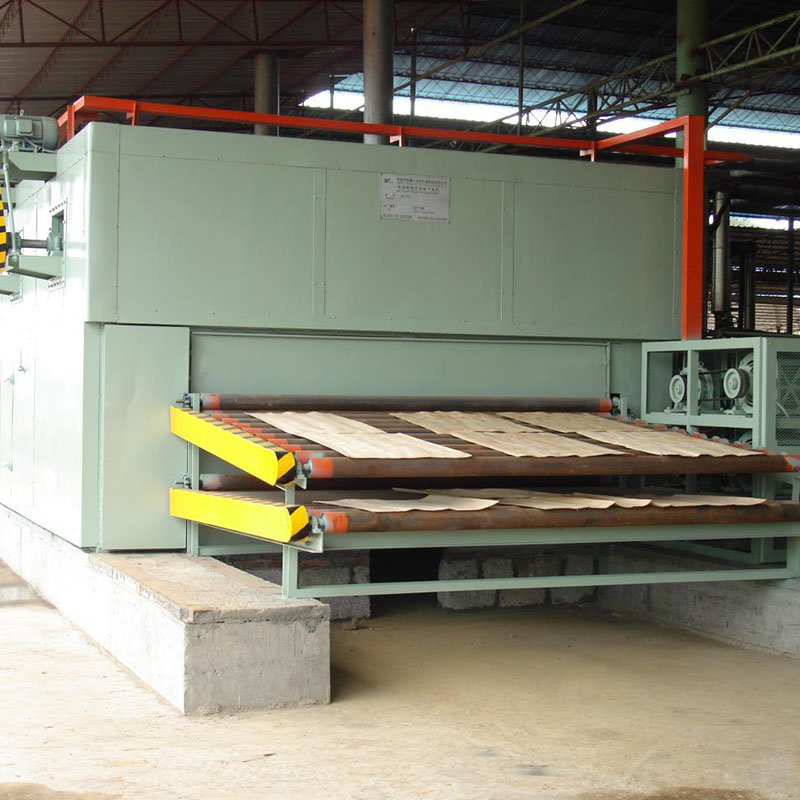
Pengering veneer rol jetting 2 dek BG1332 adalah peralatan utama dalam produksi veneer. Alat ini beradaptasi dengan kondisi teknologi: pertama, potong, kedua, keringkan. Alat ini terutama digunakan untuk mengeringkan papan inti veneer. Orientasi serat veneer kering sama dengan veneer masukan, dan lebarnya harus lebih dari 350 mm, jika tidak akan terjadi fenomena veneer yang menggumpal. Terdapat ventilator di setiap unit area pengeringan; alat ini menggunakan metode jetting sirkulasi melintang lurus, yang memungkinkan panas masuk dan mengeluarkan kelembapan (basah), sehingga mempercepat proses pengeringan. Selain itu, alat ini membuat veneer kering secara proporsional, mengurangi lengkungan akibat kelembapan. Produk ini memiliki beberapa keunggulan: perawatan mudah, aman dan andal, dan sebagainya. Oleh karena itu, ini adalah produk yang sempurna untuk mengeringkan veneer tebal dalam proses produksi veneer.
Pengering Veneer Sabuk Jala Dua Tingkat BG183
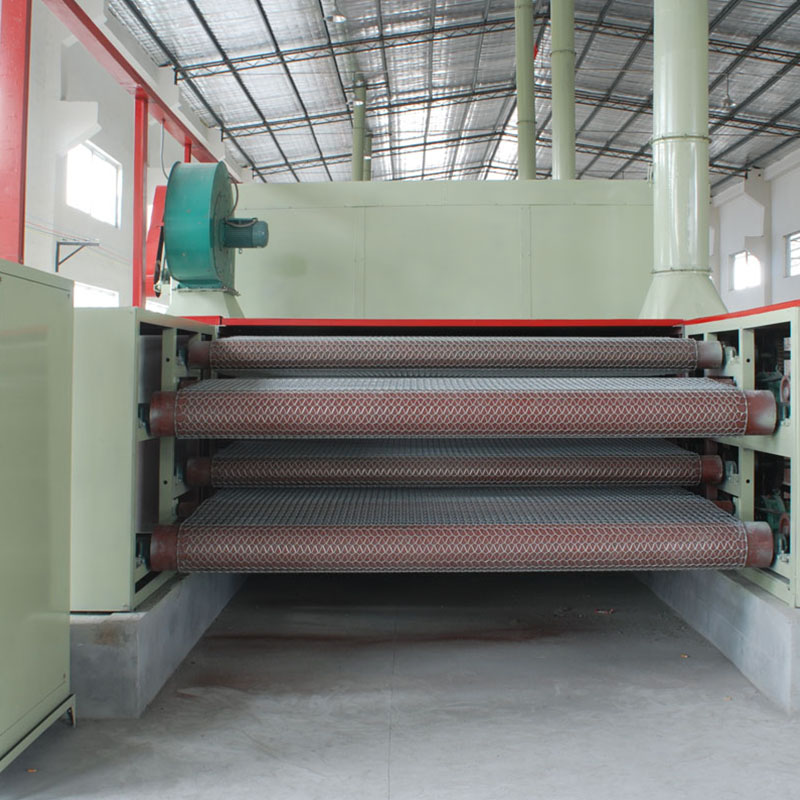
Produk kami adalah sejenis pengering sabuk jet vertikal sirkulasi melintang, yaitu sejenis peralatan pengeringan kontinu. Produk kami dapat diaplikasikan untuk proses pengeringan veneer atas dan bawah, yang dapat digunakan untuk memproduksi papan cetakan arsitektur, papan kayu, papan lantai, papan dasar kontainer, dan sebagainya. Dengan fitur lahan yang lebih kecil dan penggunaan yang lebih luas, serta memanfaatkan keunggulan pengering veneer canggih di dalam dan luar negeri, dan dirancang untuk tujuan ekonomis, andal, dan bermutu tinggi, produk kami menjamin peningkatan hasil produksi, peningkatan kualitas produk, pengurangan konsumsi energi dan biaya produksi, serta peningkatan keuntungan yang memuaskan.
Tipe standar mencakup 13 bagian pemanas, satu bagian pendingin (sebelah kiri), dan kami dapat menambah atau mengurangi bagian pemanas yang sesuai serta menyesuaikan tipe header untuk memenuhi kebutuhan produksi Anda, terkait hasil, pengaturan, dan lokasi. Kami akan melakukan yang terbaik untuk membantu Anda mendapatkan kemampuan produksi maksimal dengan investasi minimal.