
VỀ CHÚNG TÔI
Xiangying là nhà sản xuất chuyên nghiệp các loại máy sấy ván lạng và thiết bị sản xuất ván ép.
Khuôn viên rộng 18.000 m² của chúng tôi bao gồm 15.000 m² nhà xưởng, hỗ trợ phát triển sản phẩm, sản xuất và dịch vụ cho khách hàng trong và ngoài Trung Quốc.
NHẬN BÁO GIÁ MIỄN PHÍ
Lỗi: Không tìm thấy biểu mẫu liên hệ.
-
Trang chủ

-
Blog
-
Tin tức cập nhật
- How to Prevent Jams in a Roller Veneer Dryer
How to Prevent Jams in a Roller Veneer Dryer
-
 quản trị viên
- 27,Tháng 11
A jam in a roller veneer dryer often becomes visible where sheets pile up, but the obstruction may have started farther upstream. A second sheet may have overlapped the first at the infeed, or a narrow piece may have entered the roller path in an unsuitable orientation. Before changing speed or replacing parts, identify where the first sheet stopped moving normally. That location tells you whether to investigate the veneer, the feeding method or the conveyor.
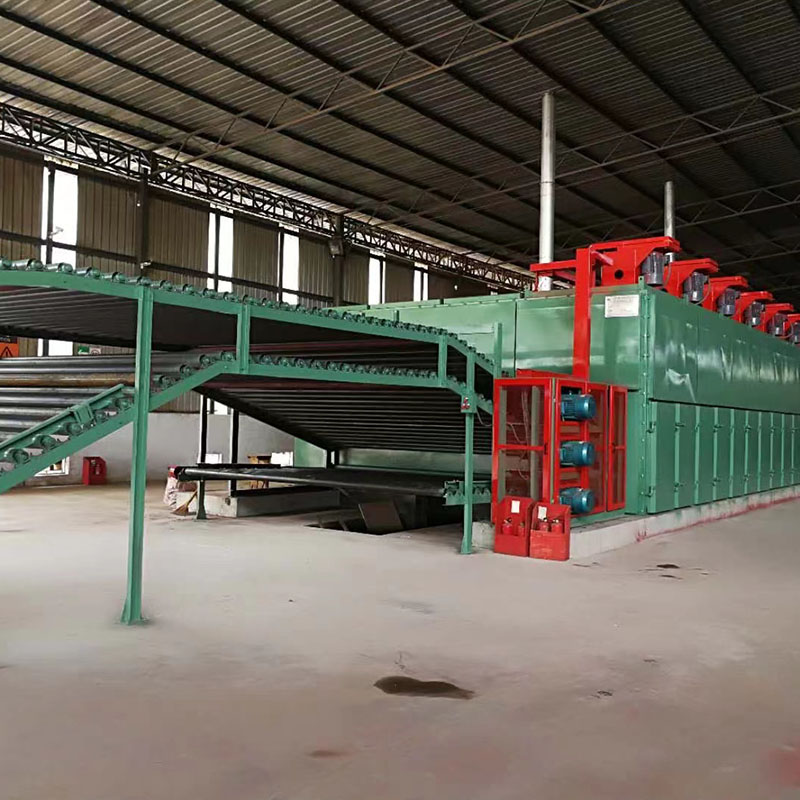
Find Where the Veneer First Stops Moving
Record the deck, time, sheet size and approximate location whenever a blockage occurs. Also note when the line was last running normally and what changed just before the stop. A few entries tied to material formats and feed positions are more useful than a general record that says the dryer jammed.
Distinguish Infeed Problems From Internal Jams
At the infeed, look for visible overlap, skew or inconsistent spacing from the designated operator position. If sheets repeatedly arrive skewed before reaching the dryer, review the transfer from the feeder and how the sheets are presented. If they enter squarely and stop repeatedly in the same internal section, the maintenance team has a location to inspect after isolation. A pile of sheets found downstream may contain evidence of the jam, but it does not necessarily identify where the first sheet caught.
Check Whether the Problem Follows One Deck or One Format
A jam that started after a format change suggests checking the dimensions and condition of the newly introduced stock. A jam that stays on one deck across several suitable formats calls for closer attention to that deck's transfer points and rollers. These patterns guide the next step. Physical inspection and a controlled restart are still needed to verify the cause.
Check Sheet Size and Orientation Before Feeding
Once there is a record of the affected format, compare it with the model's approved feeding envelope. A sheet can fit within the overall machine width and still be too small, too irregular or poorly supported for the roller arrangement.
Confirm Minimum Sheet Width for the Dryer Model
Xiangying describes the Máy sấy ván lạng ba tầng BG1333 as a cut-before-dry machine mainly used for core veneer. Its published product description calls for veneer wider than 350 mm to avoid piling up. Confirm which sheet dimension the manufacturer means for the intended feed direction, and check the approved limits for the machine installed at your plant. The figure applies to the cited model guidance and should not be used as a general limit for other machines.
Irregular pieces need special attention. The overall measurement of a torn sheet can hide a narrow or broken leading edge. Keep damaged pieces, clipped offcuts and undersized sheets out of the normal stream unless your line has an approved way to handle them. This is particularly useful after a clipping setup change, when a short run can introduce several sizes into the same stack.
Align the Leading Edge and Separate Successive Sheets
Check the leading edge at the transfer into the dryer. An angled sheet can reach a transfer point on one side before the other, and an overlap can carry two layers where the feeder was set up for one. Review sheet spacing, alignment and the feeder settings for the actual material. If overlap starts at pickup, correcting the pickup condition will tell you more than changing dryer speed.
Inspect the Conveyor Where Jams Repeat
When correctly sized sheets continue to stop at the same location, prioritize that section of the conveyor. Restricted movement, damaged parts and accumulated scraps are possibilities for the maintenance team to verify. The roller veneer dryer range includes several deck configurations, so use the documentation for the installed machine when identifying the affected transfer and its service points.
Internal checks and jam clearance belong to trained personnel following the plant's approved shutdown, isolation and cooling procedures. Compare accessible transfer points, rollers and drive components with the manufacturer's maintenance instructions. Look for marks or debris that match the location where sheets first catch. Record the finding and any corrective work, especially when the fault appears only on one deck.
Verify the Fix Under Normal Feeding Conditions
After maintenance releases the machine for restart, run a known-good veneer format first. Observe the infeed and discharge from designated positions. If the known-good format feeds consistently, run the previously affected format only after confirming that it meets the approved limits. Use the same feed orientation and identify the deck so that the two runs can be compared.
As a hypothetical example, a line jams shortly after switching from full core sheets to narrower strips. If full sheets pass and the strips are below the published size limit for the installed model, stop using those strips on that feed path and review handling options with the supplier. If both compliant formats catch at the same transfer point, return to the mechanical inspection for that location. Either result is more informative than declaring the fault solved after a single sheet passes.
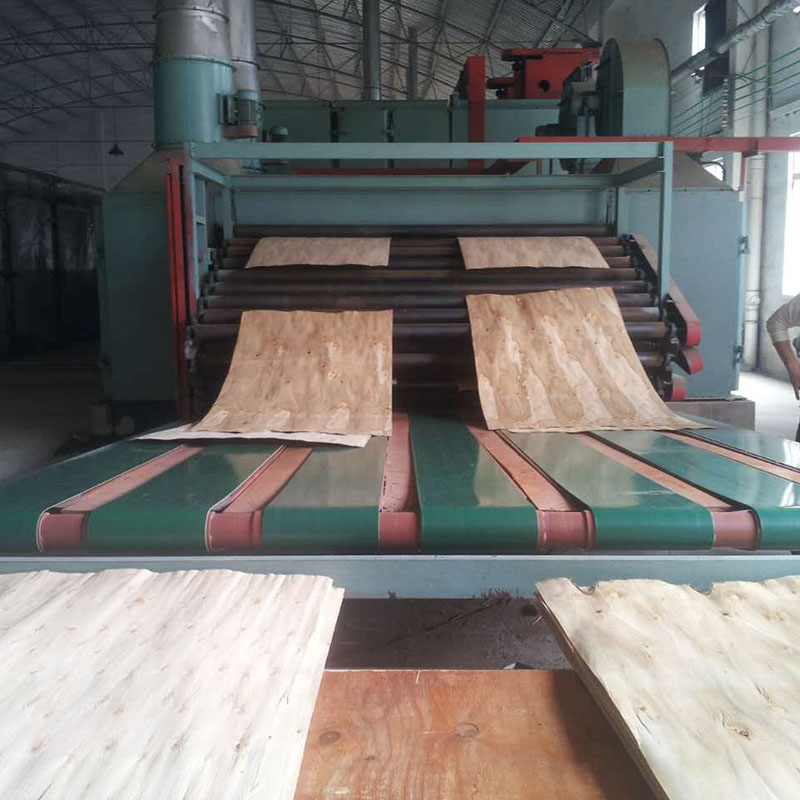
Roller Dryer Troubleshooting Support From Xiangying
Xiangying manufactures roller, mesh belt and combined veneer dryers. If jams persist, its equipment troubleshooting service can help identify the next inspection steps. Start with the machine model, the affected deck and the sheet dimensions in the direction used. A short video taken from a safe observation point, or a record of what changed before the jam, can help the team narrow the cause.
Conclusion
Prevent repeat jams by identifying the first point where sheet travel fails, checking the veneer and feed conditions, and inspecting the corresponding conveyor section if the fault persists. Verify the correction with a known-good run and then with representative production stock that meets the machine's limits.
FAQs
Can a Dryer Handle Random-Width Veneer?
It depends on the feeder and roller configuration. Ask the supplier to confirm the approved dimensions and feeding method for the actual spread of widths before mixing those pieces into production.
Should Veneer From a Cleared Jam Return to the Line?
Set it aside for inspection. Check for broken edges, distortion and moisture variation, then follow the mill's rules for reprocessing or rejection.
What Should Operators Note After an Intermittent Jam?
Record the material batch, sheet dimensions, deck, feed direction, time and observed stopping point. Include any recent format or feeder changes so maintenance can compare incidents across shifts.


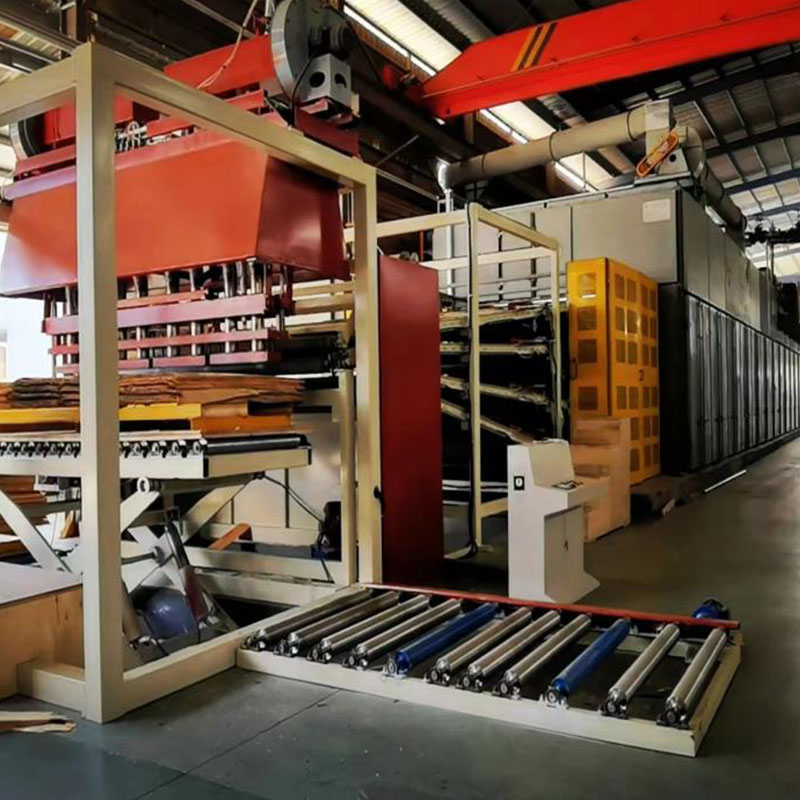
Sản phẩm liên quan
Sản phẩm bán chạy nhất
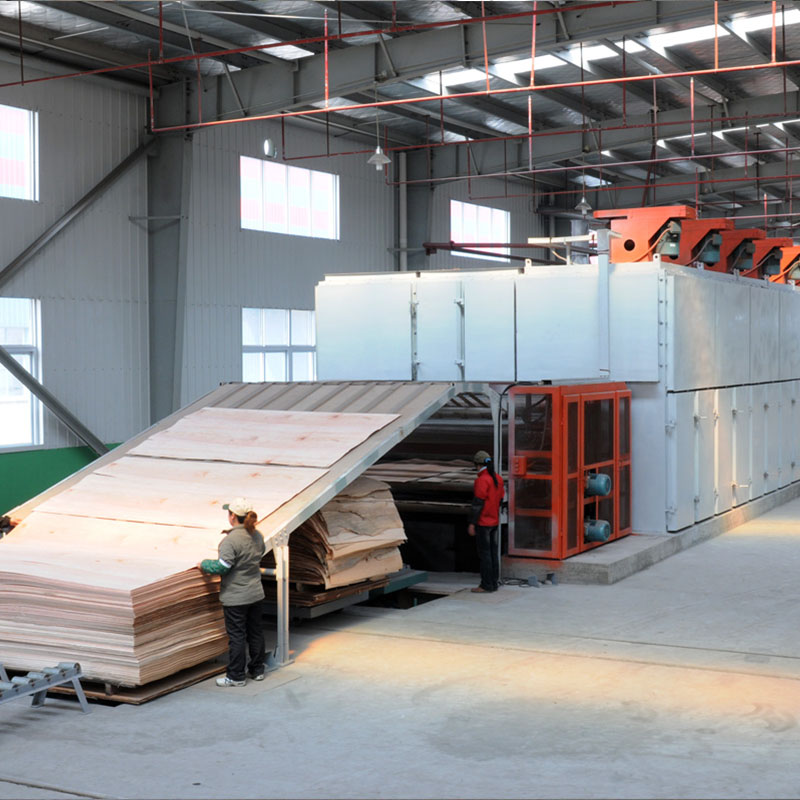
Máy sấy ván lạng kết hợp lưới-con lăn ba tầng BG1933B
Sản phẩm của chúng tôi là một loại máy sấy lưới con lăn tuần hoàn ngang, vận chuyển thẳng, được trang bị cả cấu trúc lưới và con lăn. Máy sấy ván ép lưới con lăn có hai lớp lưới và con lăn; nó có thể sấy đồng thời ván mặt và ván lõi dày. Nó có ưu điểm là chiếm ít diện tích mặt bằng và có thể sử dụng nhiều chức năng trong một máy.
Sản phẩm của chúng tôi là một loại máy sấy lưới con lăn ngang tuần hoàn thẳng, kết hợp những ưu điểm của máy sấy châu Âu. Máy sử dụng quạt ly tâm gắn bên hông (lưu lượng khí 62 nghìn m³/h). Bộ trao đổi nhiệt mới và hộp phun hình chữ nhật có tiết diện thay đổi giúp đảm bảo độ đồng đều bề mặt ván lạng khi gia nhiệt. Quạt gia nhiệt ở khu vực phía trước và phía sau được bố trí đối xứng, giúp ván lạng đạt độ ẩm đồng đều sau khi sấy. Ngoài ra, để phù hợp với điều kiện khí hậu ẩm ướt, máy sấy còn bổ sung thêm các đoạn mở làm mát, giúp làm mát ván lạng và tránh bị ẩm.
Hệ thống gia nhiệt của máy sấy sử dụng nồi hơi nước hoặc dầu. Khi sử dụng nồi hơi dầu, cần phải nắm rõ các quy định an toàn hệ thống, đảm bảo các ống dẫn nhiệt và bộ trao đổi nhiệt không bị đóng cặn carbon và tránh nguy cơ cháy nổ. Không được để nước, chất có tính axit và các chất có điểm sôi thấp lọt vào hệ thống.
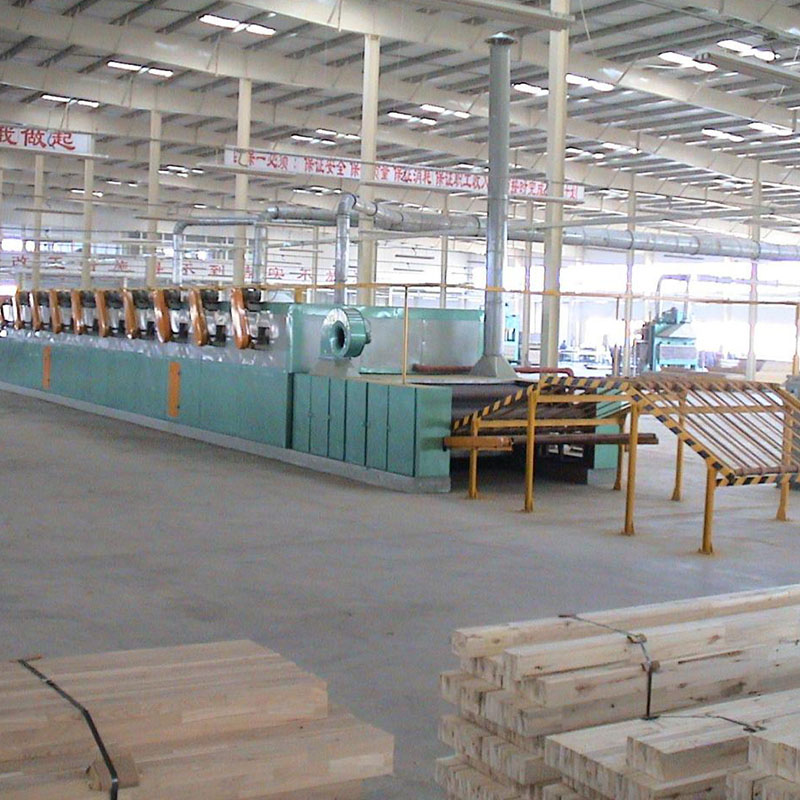
Máy sấy ván lạng kết hợp lưới-con lăn hai tầng BG1932
Máy sấy ván lạng lưới-con lăn 2 lớp BG1932 có hai lớp lưới và con lăn; máy có thể sấy đồng thời ván mặt và ván lõi dày. Máy có ưu điểm là chiếm ít diện tích và đa chức năng.
Máy sấy lưới cuộn BG1932 được thiết kế theo nguyên tắc cấu trúc khối, loại tiêu chuẩn gồm 10 đoạn. Mỗi đoạn có chiều dài tiêu chuẩn 2 mét cho khu vực sấy, một buồng làm mát, một hệ thống truyền động, bàn cuộn đầu vào và bàn cuộn đầu ra. Khách hàng có thể lựa chọn số đoạn của máy sấy theo nhu cầu (từ 5 đến 15 đoạn).
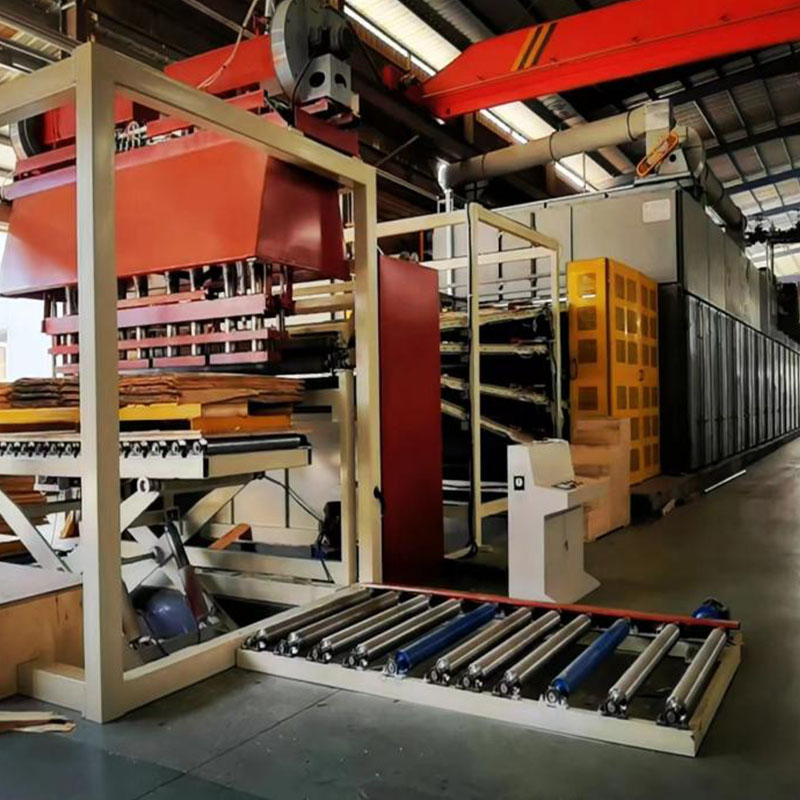
Máy sấy ván lạng bốn tầng BG1334
Máy sấy ván lạng 4 tầng BG1334 bao gồm hệ thống băng tải, bộ phận gia nhiệt, hệ thống hơi nước, bộ phận làm mát, hệ thống hút khí và hệ thống con lăn đầu vào & đầu ra. Bộ phận gia nhiệt gồm hai phần, phần trước và phần sau, với quạt gia nhiệt được đặt ở cả hai bên để đảm bảo độ ẩm cuối cùng đồng đều ở mỗi điểm.
Trong quá trình gia nhiệt, không khí được nén vào bộ gia nhiệt bằng quạt ly tâm thẳng đứng để làm nóng, sau đó được nén vào ống thổi khí. Sau đó, không khí nóng được thổi lên các tấm ván lạng được vận chuyển giữa các con lăn để sấy khô. Không khí nóng ẩm sau đó lại được hút vào quạt ly tâm để sử dụng tuần hoàn. Một phần không khí nóng ẩm được thải ra ngoài qua hệ thống hút khí để thay thế bằng không khí tươi nhằm duy trì độ ẩm không khí thích hợp. Quá trình này tuân theo các điều kiện công nghệ: đầu tiên là cắt; thứ hai là sấy khô. Chủ yếu sử dụng ván lạng lõi để sấy khô. Hướng sắp xếp của ván lạng khô phải giống với ván lạng đầu vào, và chiều rộng phải lớn hơn 350mm, nếu không sẽ xảy ra hiện tượng ván lạng bị dính vào nhau.
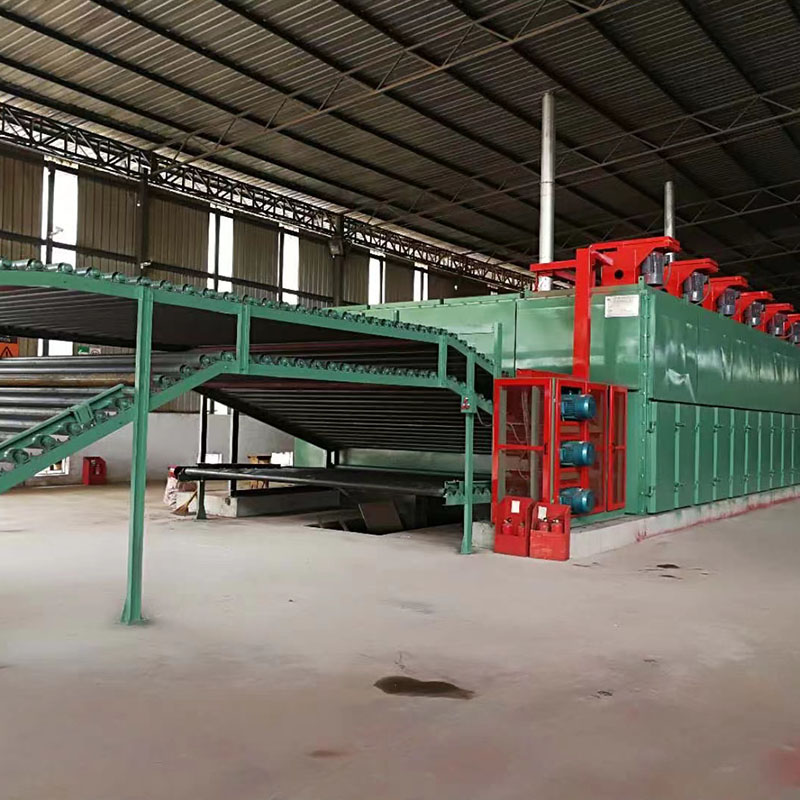
Máy sấy ván lạng ba tầng BG1333
Máy sấy ván lạng BG1333 3 tầng dạng con lăn phun bao gồm hệ thống băng tải, bộ phận gia nhiệt, hệ thống hơi nước, bộ phận làm mát, hệ thống hút khí và hệ thống con lăn đầu vào & đầu ra. Bộ phận gia nhiệt gồm hai phần, phần trước và phần sau, với quạt gia nhiệt được đặt ở cả hai bên để đảm bảo độ ẩm cuối cùng đồng đều ở mỗi điểm.
Trong quá trình gia nhiệt, không khí được nén vào các bộ gia nhiệt bằng quạt ly tâm thẳng đứng để làm nóng, sau đó được nén vào các ống thổi khí. Sau đó, không khí nóng được thổi lên các tấm ván mỏng được vận chuyển giữa các con lăn để sấy khô. Không khí nóng ẩm sau đó lại được hút vào các quạt ly tâm để sử dụng tuần hoàn. Một phần không khí nóng ẩm được thải ra ngoài qua hệ thống hút khí để thay thế bằng không khí trong lành nhằm duy trì độ ẩm không khí thích hợp.
Nó thích ứng với các điều kiện công nghệ: đầu tiên là cắt; thứ hai là sấy khô. Chủ yếu sử dụng ván lõi sấy khô cho ván lạng. Hướng thớ của ván lạng khô phải giống với ván lạng đầu vào, và chiều rộng phải lớn hơn 350mm, nếu không sẽ xảy ra hiện tượng ván lạng bị vón cục.
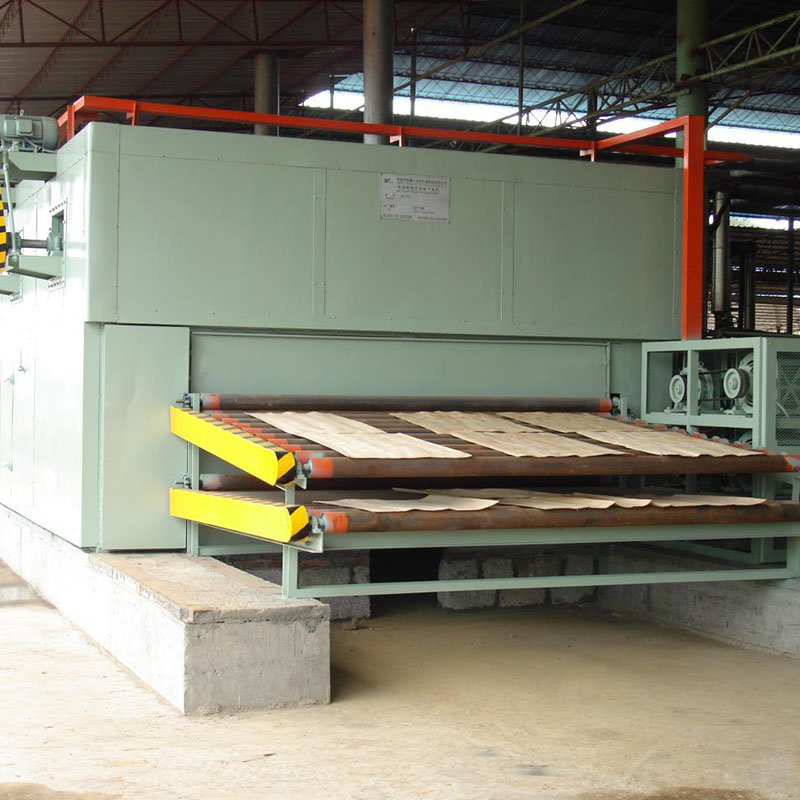
Máy sấy ván lạng hai tầng BG1332
Máy sấy ván lạng con lăn phun khí 2 tầng BG1332 là thiết bị chính trong sản xuất ván lạng. Nó thích ứng với các điều kiện công nghệ: trước tiên là cắt, sau đó là sấy. Máy chủ yếu dùng để sấy ván lõi của ván lạng. Hướng thớ của ván lạng khô phải giống với ván lạng đầu vào, và chiều rộng phải lớn hơn 350mm, nếu không sẽ xảy ra hiện tượng ván lạng bị vón cục. Mỗi khu vực sấy đều có quạt thông gió; máy sử dụng phương pháp phun khí tuần hoàn ngang thẳng, giúp đưa nhiệt vào và thoát hơi ẩm (ướt), đẩy nhanh tốc độ sấy. Đồng thời, nó giúp ván lạng khô đều, giảm hiện tượng cong vênh do độ ẩm. Sản phẩm có một số ưu điểm: dễ bảo trì, đáng tin cậy và an toàn, v.v. Vì vậy, đây là sản phẩm hoàn hảo để sấy ván lạng dày trong quy trình sản xuất ván lạng.
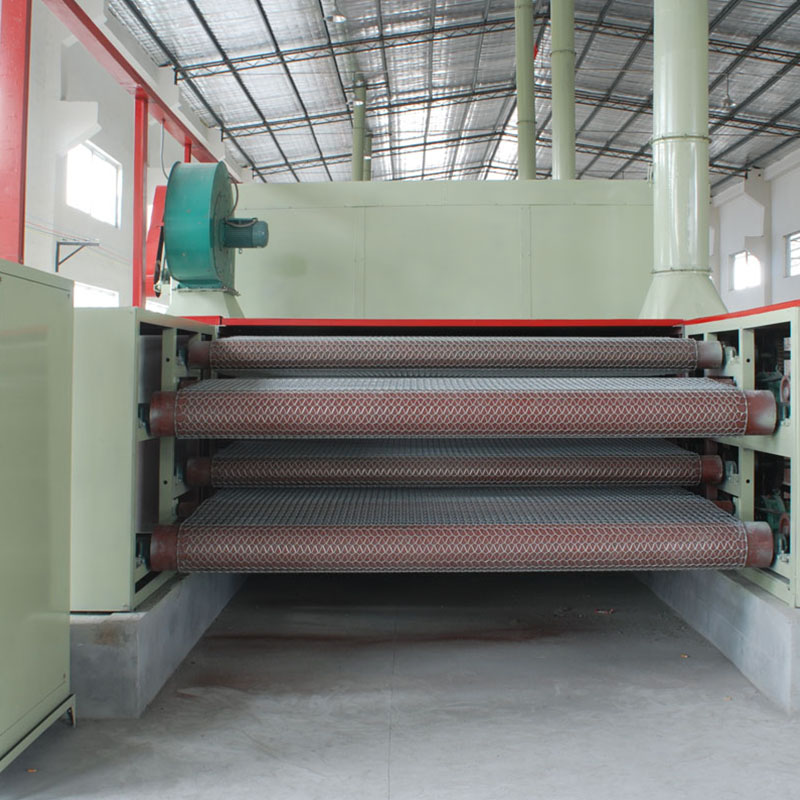
Máy sấy ván lạng băng tải lưới hai tầng BG183
Sản phẩm của chúng tôi là một loại máy sấy băng tải phun thẳng đứng tuần hoàn ngang, một loại thiết bị sấy liên tục. Sản phẩm của chúng tôi có thể được ứng dụng trong quá trình sấy ván lạng trên và dưới, dùng để sản xuất ván khuôn kiến trúc, ván mộc, ván sàn, ván đáy container, v.v. Với đặc điểm chiếm ít diện tích nhưng hiệu quả sử dụng cao, kết hợp những ưu điểm của các máy sấy ván lạng tiên tiến trong và ngoài nước, và được thiết kế với mục đích tiết kiệm chi phí, độ tin cậy và chất lượng cao, sản phẩm của chúng tôi đảm bảo tăng năng suất, cải thiện chất lượng sản phẩm, giảm tiêu thụ năng lượng và chi phí sản xuất, cũng như mang lại lợi nhuận gia tăng đáng kể.
Loại tiêu chuẩn bao gồm 13 khoang gia nhiệt, một khoang làm mát (bên trái), và chúng tôi có thể thêm hoặc bớt các khoang gia nhiệt phù hợp và điều chỉnh kiểu đầu máy để đáp ứng nhu cầu sản xuất của bạn về năng suất, bố trí và vị trí. Chúng tôi sẽ cố gắng hết sức để giúp bạn đạt được khả năng sản xuất tối đa với chi phí đầu tư tối thiểu.