
HAKKIMIZDA
Xiangying, kaplama kurutma makineleri ve kontrplak ekipmanları konusunda profesyonel bir üreticidir.
18.000 m²'lik tesisimiz, Çin ve yurtdışındaki müşterilerimiz için ürün geliştirme, üretim ve servis hizmetlerini destekleyen 15.000 m²'lik binalardan oluşmaktadır.
ÜCRETSİZ TEKLİF ALIN
Hata: İletişim formu bulunamadı.
-
Ev

-
Blog
-
Haber Güncellemeleri
- How to Prevent Jams in a Roller Veneer Dryer
How to Prevent Jams in a Roller Veneer Dryer
-
 yönetici
- 27,Kasım
A jam in a roller veneer dryer often becomes visible where sheets pile up, but the obstruction may have started farther upstream. A second sheet may have overlapped the first at the infeed, or a narrow piece may have entered the roller path in an unsuitable orientation. Before changing speed or replacing parts, identify where the first sheet stopped moving normally. That location tells you whether to investigate the veneer, the feeding method or the conveyor.
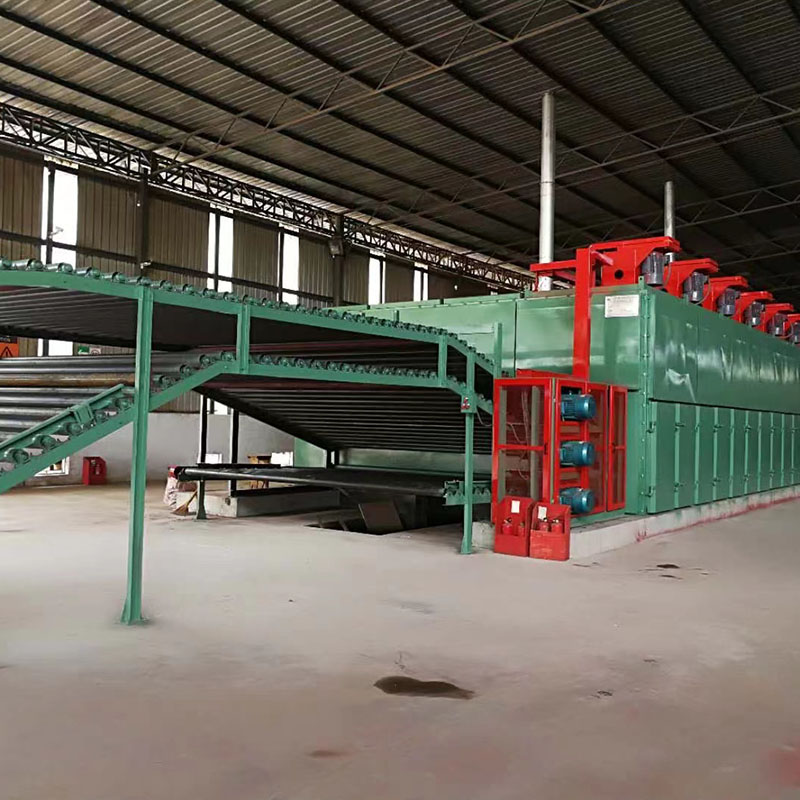
Find Where the Veneer First Stops Moving
Record the deck, time, sheet size and approximate location whenever a blockage occurs. Also note when the line was last running normally and what changed just before the stop. A few entries tied to material formats and feed positions are more useful than a general record that says the dryer jammed.
Distinguish Infeed Problems From Internal Jams
At the infeed, look for visible overlap, skew or inconsistent spacing from the designated operator position. If sheets repeatedly arrive skewed before reaching the dryer, review the transfer from the feeder and how the sheets are presented. If they enter squarely and stop repeatedly in the same internal section, the maintenance team has a location to inspect after isolation. A pile of sheets found downstream may contain evidence of the jam, but it does not necessarily identify where the first sheet caught.
Check Whether the Problem Follows One Deck or One Format
A jam that started after a format change suggests checking the dimensions and condition of the newly introduced stock. A jam that stays on one deck across several suitable formats calls for closer attention to that deck's transfer points and rollers. These patterns guide the next step. Physical inspection and a controlled restart are still needed to verify the cause.
Check Sheet Size and Orientation Before Feeding
Once there is a record of the affected format, compare it with the model's approved feeding envelope. A sheet can fit within the overall machine width and still be too small, too irregular or poorly supported for the roller arrangement.
Confirm Minimum Sheet Width for the Dryer Model
Xiangying describes the BG1333 Üç Katlı Silindirli Kaplama Kurutma Makinesi as a cut-before-dry machine mainly used for core veneer. Its published product description calls for veneer wider than 350 mm to avoid piling up. Confirm which sheet dimension the manufacturer means for the intended feed direction, and check the approved limits for the machine installed at your plant. The figure applies to the cited model guidance and should not be used as a general limit for other machines.
Irregular pieces need special attention. The overall measurement of a torn sheet can hide a narrow or broken leading edge. Keep damaged pieces, clipped offcuts and undersized sheets out of the normal stream unless your line has an approved way to handle them. This is particularly useful after a clipping setup change, when a short run can introduce several sizes into the same stack.
Align the Leading Edge and Separate Successive Sheets
Check the leading edge at the transfer into the dryer. An angled sheet can reach a transfer point on one side before the other, and an overlap can carry two layers where the feeder was set up for one. Review sheet spacing, alignment and the feeder settings for the actual material. If overlap starts at pickup, correcting the pickup condition will tell you more than changing dryer speed.
Inspect the Conveyor Where Jams Repeat
When correctly sized sheets continue to stop at the same location, prioritize that section of the conveyor. Restricted movement, damaged parts and accumulated scraps are possibilities for the maintenance team to verify. The roller veneer dryer range includes several deck configurations, so use the documentation for the installed machine when identifying the affected transfer and its service points.
Internal checks and jam clearance belong to trained personnel following the plant's approved shutdown, isolation and cooling procedures. Compare accessible transfer points, rollers and drive components with the manufacturer's maintenance instructions. Look for marks or debris that match the location where sheets first catch. Record the finding and any corrective work, especially when the fault appears only on one deck.
Verify the Fix Under Normal Feeding Conditions
After maintenance releases the machine for restart, run a known-good veneer format first. Observe the infeed and discharge from designated positions. If the known-good format feeds consistently, run the previously affected format only after confirming that it meets the approved limits. Use the same feed orientation and identify the deck so that the two runs can be compared.
As a hypothetical example, a line jams shortly after switching from full core sheets to narrower strips. If full sheets pass and the strips are below the published size limit for the installed model, stop using those strips on that feed path and review handling options with the supplier. If both compliant formats catch at the same transfer point, return to the mechanical inspection for that location. Either result is more informative than declaring the fault solved after a single sheet passes.
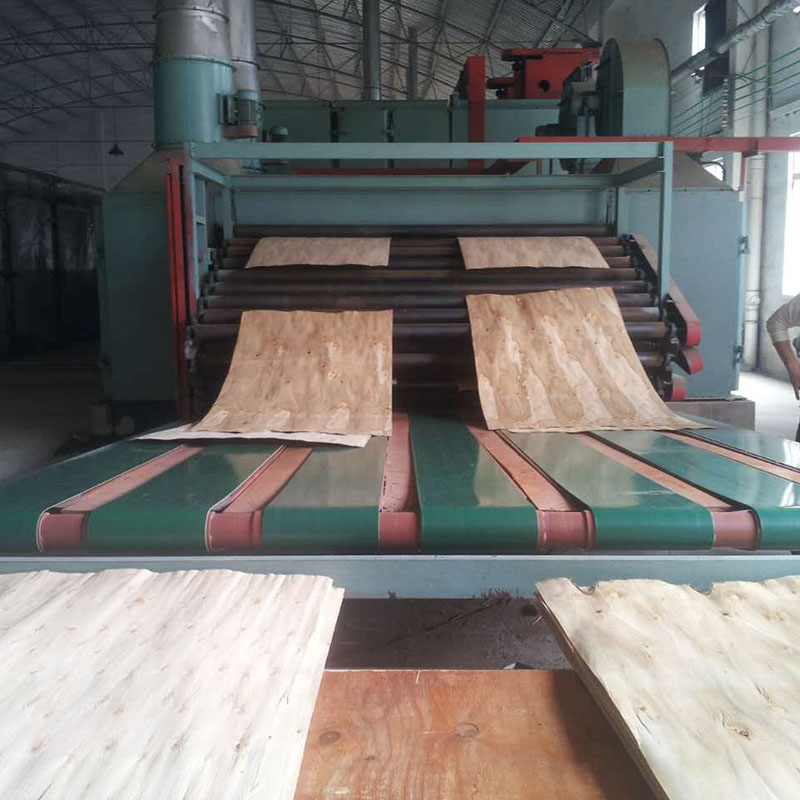
Roller Dryer Troubleshooting Support From Xiangying
Xiangying manufactures roller, mesh belt and combined veneer dryers. If jams persist, its equipment troubleshooting service can help identify the next inspection steps. Start with the machine model, the affected deck and the sheet dimensions in the direction used. A short video taken from a safe observation point, or a record of what changed before the jam, can help the team narrow the cause.
Conclusion
Prevent repeat jams by identifying the first point where sheet travel fails, checking the veneer and feed conditions, and inspecting the corresponding conveyor section if the fault persists. Verify the correction with a known-good run and then with representative production stock that meets the machine's limits.
FAQs
Can a Dryer Handle Random-Width Veneer?
It depends on the feeder and roller configuration. Ask the supplier to confirm the approved dimensions and feeding method for the actual spread of widths before mixing those pieces into production.
Should Veneer From a Cleared Jam Return to the Line?
Set it aside for inspection. Check for broken edges, distortion and moisture variation, then follow the mill's rules for reprocessing or rejection.
What Should Operators Note After an Intermittent Jam?
Record the material batch, sheet dimensions, deck, feed direction, time and observed stopping point. Include any recent format or feeder changes so maintenance can compare incidents across shifts.




İlgili Ürünler
En Çok Satan Ürünler
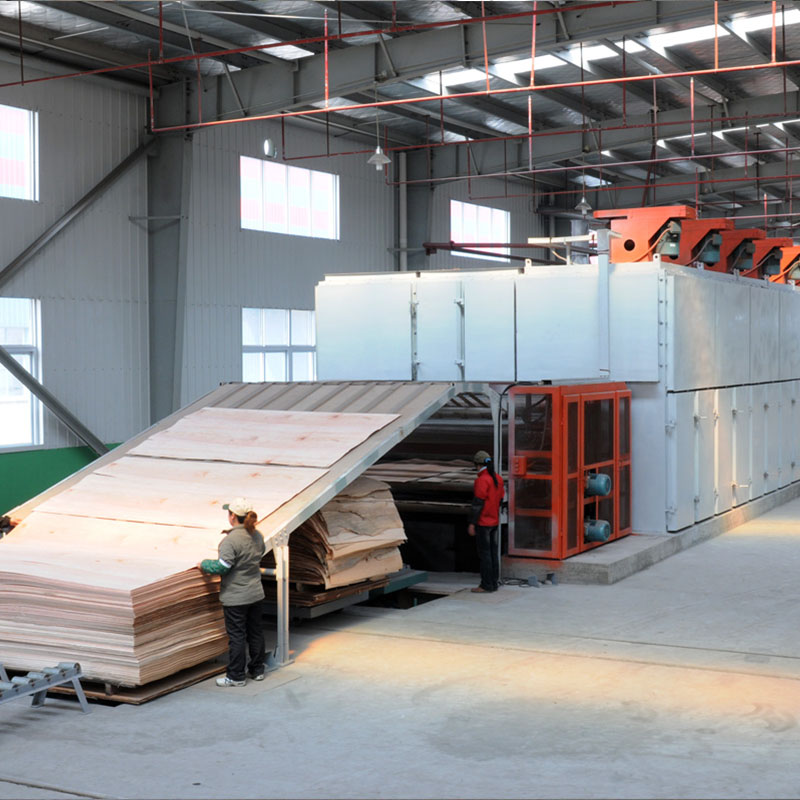
BG1933B Üç Katlı Fileli Silindirli Kombine Kaplama Kurutma Makinesi
Ürünümüz, hem ağ hem de silindir yapısına sahip, düz hatlı, enine sirkülasyonlu bir ağ silindirli kurutucu çeşididir. Ağ silindirli kaplama kurutucu, ağ ve silindir olmak üzere iki katmana sahiptir; aynı anda yüzey levhası ve kalın çekirdek levhayı kurutma işlemi gerçekleştirebilir. Daha az yer kaplaması ve tek bir makinenin çok amaçlı kullanımı gibi avantajlara sahiptir.
Ürünümüz, Avrupa kurutucularının avantajlarını birleştiren, düz hatlı, enine sirkülasyonlu ağ silindirli bir kurutucu türüdür. Yan tarafa monte edilmiş santrifüj fanlar (hava akışı 62 bin m³/saat) kullanır. Yeni ısı eşanjörü ve dikdörtgen değişken kesitli püskürtme kutuları, ısıtma havası için kaplama yüzeyinin homojenliğini sağlar. Ön ve arka bölgelerdeki ısıtma bölümlerinin fanları sol ve sağ tarafa monte edilmiştir, böylece kurutma sonrasında kaplamaların aynı son nem oranına sahip olması sağlanır. Ayrıca, nemli iklim koşulları için kurutucuya soğutma açık bölümlerinin uzunluğu eklenmiştir; bu da kaplamaların nemlenmesini önleyerek soğutma avantajı sağlar.
Kurutma makinesinin ısıtma sistemi buhar veya yağ kazanı kullanır. Yağ kazanı kullanılıyorsa, sistem güvenliğine dikkat edilmelidir; ısıtma sistemi boruları ve ısı eşanjörlerinde karbon birikmesi ve yangın kazaları önlenmelidir. Sisteme su, asit ve düşük kaynama noktalı maddelerin girmesine izin verilmemelidir.
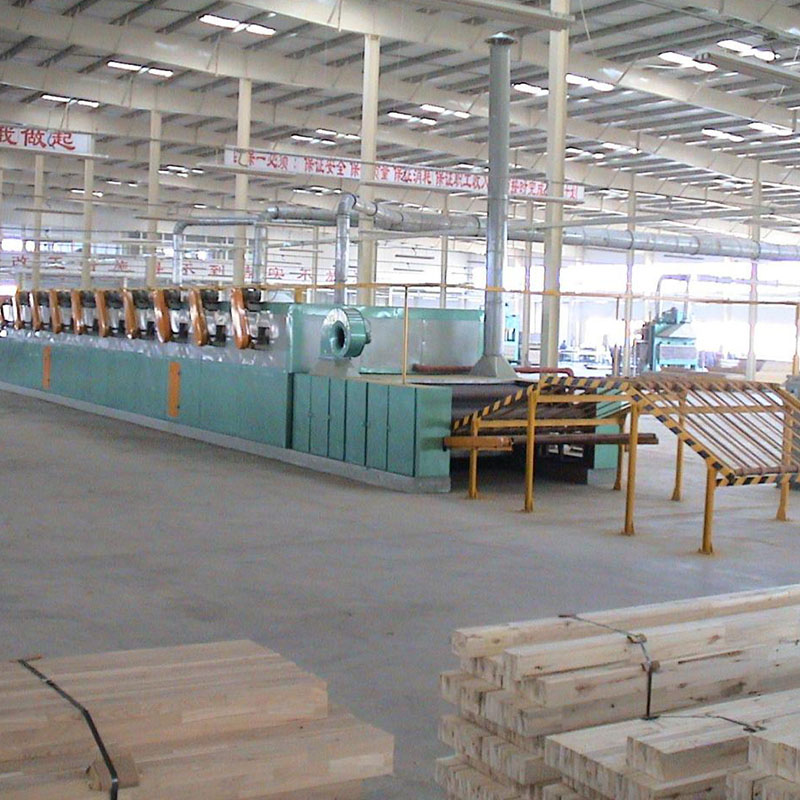
BG1932 İki Katlı Fileli Silindirli Kombine Kaplama Kurutma Makinesi
BG1932 2 katmanlı ağlı silindirli kaplama kurutucu, ağ ve silindir olmak üzere iki katmana sahiptir; aynı anda yüzey levhası ve kalın çekirdek levhayı kurutma işlemi yapabilir. Daha az yer kaplaması ve tek bir makinenin çok amaçlı kullanımı gibi avantajlara sahiptir.
BG1932 ağ silindirli kurutma makinesi, ünite yapısı prensibiyle tasarlanmıştır ve standart tipi 10 bölümden oluşmaktadır. Bir kurutma alanı için standart olarak 2 metre, bir bölüm soğutma odası, bir tahrik sistemi, giriş silindir tablası ve çıkış silindir tablası bulunmaktadır. Müşteri, ihtiyaçlarına göre kurutma makinesinin bölüm sayısını seçebilir (5 bölümden 15 bölüme kadar).
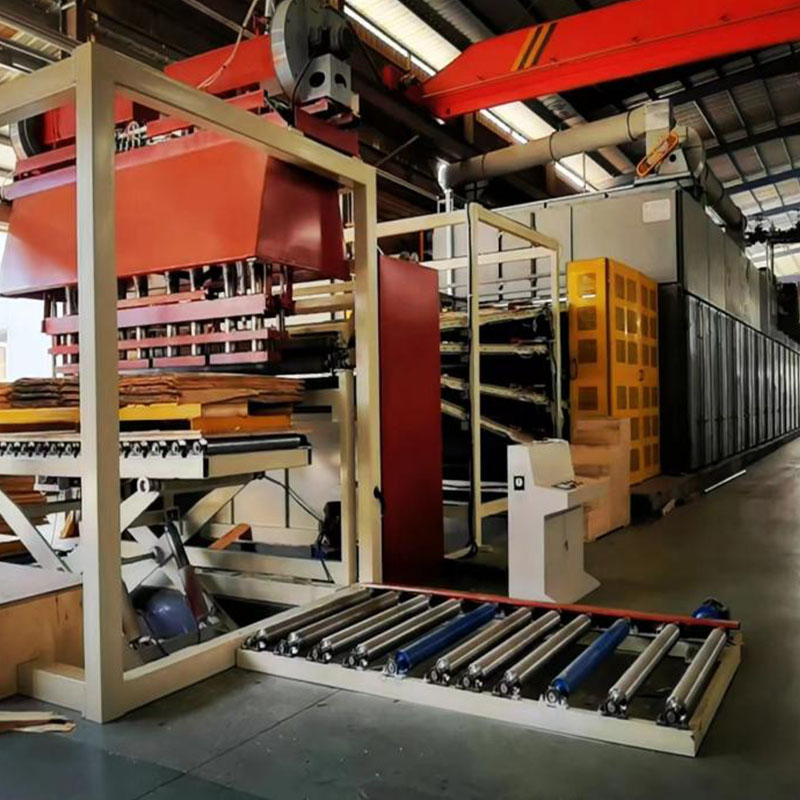
BG1334 Dört Katlı Silindirli Kaplama Kurutma Makinesi
BG1334 4 katlı jetli silindirli kaplama kurutucu, taşıma sistemi, ısıtma bölümü, buhar sistemi, soğutma bölümü, egzoz sistemi ve giriş-çıkış silindir sisteminden oluşmaktadır. Isıtma bölümü, her iki tarafta da ısıtma fanları bulunan ön ve arka olmak üzere iki parçadan oluşmakta olup, her noktada tutarlı bir son nem seviyesi sağlamaktadır.
Isıtma işleminde, hava dik santrifüj fanlar tarafından ısıtıcılara sıkıştırılır ve ardından püskürtme körüklerine sıkıştırılır. Daha sonra, sıcak hava, kurutma için silindirler arasında taşınan kaplamaların üzerine püskürtülür. Sıcak nemli hava daha sonra dairesel kullanım için tekrar santrifüj fanlara çekilir. Uygun hava nemini korumak için sıcak nemli havanın bir kısmı, bir miktar taze hava ile değiştirilerek egzoz sistemi aracılığıyla dışarı atılır. Teknolojik koşullara uyarlanır: önce kesme; sonra kurutma. Esas olarak kaplamaların çekirdek levhasının kurutulmasıyla ilgilidir. Kuru kaplamanın lif yönü, giriş kaplamasıyla aynıdır ve genişlik 350 mm'den fazla olmalıdır, aksi takdirde kaplamaların duvar oluşturması fenomeni meydana gelir.
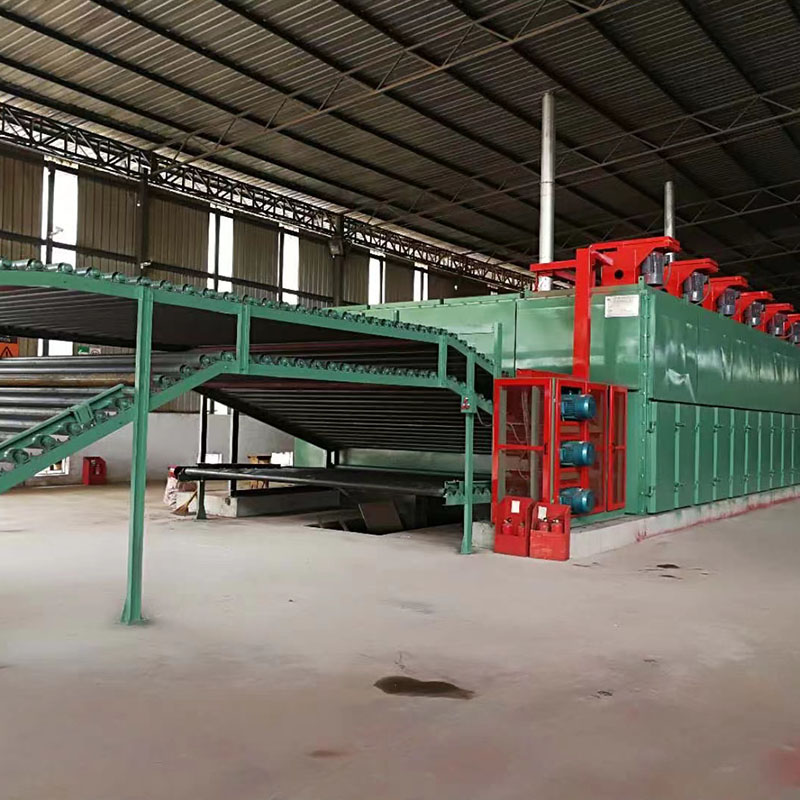
BG1333 Üç Katlı Silindirli Kaplama Kurutma Makinesi
BG1333 3 katlı jetli silindirli kaplama kurutucu, taşıma sistemi, ısıtma bölümü, buhar sistemi, soğutma bölümü, egzoz sistemi ve giriş-çıkış silindir sisteminden oluşmaktadır. Isıtma bölümü, her iki tarafta da ısıtma fanları bulunan ön ve arka olmak üzere iki parçadan oluşmakta olup, her noktada tutarlı bir son nem seviyesi sağlamaktadır.
Isıtma işleminde, hava dik santrifüj fanlar tarafından ısıtıcılara sıkıştırılır ve ardından püskürtme körüklerine sıkıştırılır. Daha sonra, sıcak hava kurutma için silindirler arasında taşınan kaplamalara püskürtülür. Sıcak nemli hava daha sonra dairesel kullanım için tekrar santrifüj fanlara çekilir. Uygun hava nemini korumak için sıcak nemli havanın bir kısmı, bir miktar taze hava ile değiştirilerek egzoz sistemi aracılığıyla dışarı atılır.
Teknolojik koşullara uyum sağlar: önce kesilir, sonra kurutulur. Esas olarak kaplama levhalarının kurutulmasıyla yapılır. Kurutulmuş kaplamanın lif yönü, giriş kaplamasıyla aynıdır ve genişliği 350 mm'den fazla olmalıdır, aksi takdirde kaplamaların duvar gibi üst üste binmesi olayı meydana gelir.
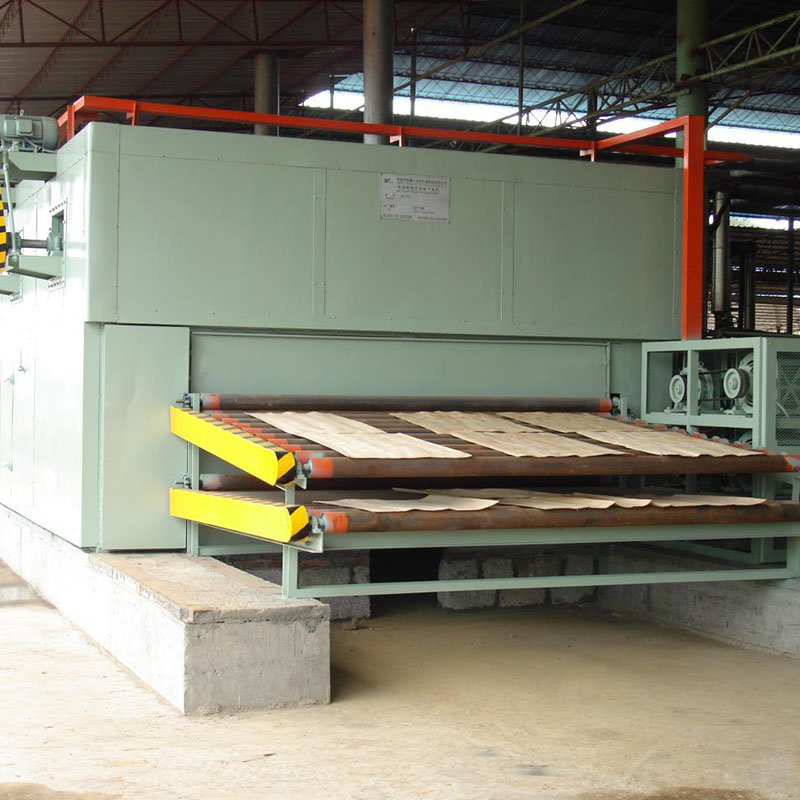
BG1332 İki Katlı Silindirli Kaplama Kurutma Makinesi
BG1332 2 katlı jetli silindirli kaplama kurutucu, kaplama üretiminde kullanılan temel bir ekipmandır. Teknolojik koşullara uyum sağlar: önce kesim, sonra kurutma. Esas olarak kaplamaların çekirdek levhalarının kurutulmasında kullanılır. Kurutulmuş kaplamanın lif yönü, giriş kaplamasıyla aynıdır ve genişliği 350 mm'den fazla olmalıdır, aksi takdirde kaplamaların duvarlaşması fenomeni meydana gelir. Her kurutma ünitesinde bir vantilatör bulunur; düz taşımalı enine - sirkülasyonlu jetleme yöntemini benimser ve ısıyı içeri vererek nemin (ıslaklığın) dışarı atılmasını sağlar, kurutma hızını önemli ölçüde artırır. Ayrıca, kaplamanın orantılı bir şekilde kurumasını sağlar ve nem oranının bükülmesini azaltır. Ürün bazı avantajlara sahiptir: kullanım kolaylığı, güvenilir güvenlik vb. Bu nedenle, kaplama üretim sürecinde kalın kaplamaların kurutulması için mükemmel bir üründür.
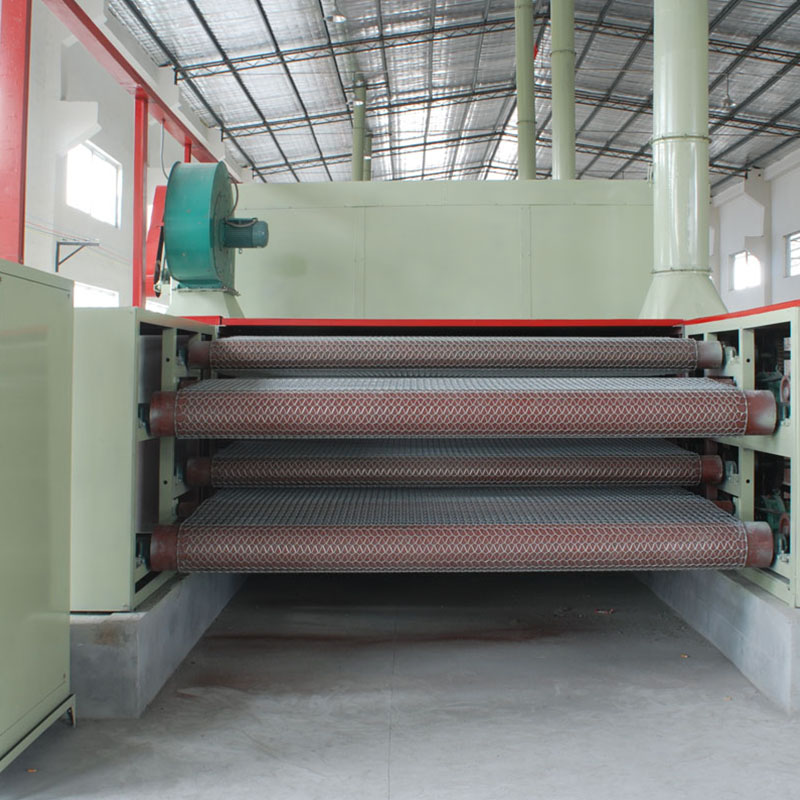
BG183 İki Katlı File Bantlı Kaplama Kurutma Makinesi
Ürünümüz, sürekli kurutma ekipmanı türünde, enine sirkülasyonlu dikey püskürtmeli bantlı kurutucudur. Ürünümüz, mimari kalıp levhası, doğrama levhası, döşeme levhası, konteyner alt levhası vb. üretiminde kullanılabilen üst ve alt kaplama levhalarının kurutma işleminde uygulanabilir. Daha az alan kaplayarak daha fazla kullanım sağlayan, yurt içi ve yurt dışındaki gelişmiş kaplama kurutucularının avantajlarını bir araya getiren ve ekonomiklik, güvenilirlik ve yüksek kalite amacıyla tasarlanan ürünümüz, verimliliği artırmayı, ürün kalitesini iyileştirmeyi, enerji tüketimini ve üretim maliyetini düşürmeyi ve tatmin edici bir kar artışı sağlamayı garanti eder.
Standart tipte 13 ısıtma bölümü, bir soğutma bölümü (solda) bulunur ve üretim, verimlilik, yerleşim ve konumla ilgili taleplerinizi karşılamak için uygun ısıtma bölümlerini ekleyebilir veya çıkarabilir ve başlık tipini ayarlayabiliriz. En az yatırımla en yüksek üretim kapasitesini elde etmenize yardımcı olmak için elimizden gelenin en iyisini yapacağız.