Uneven Moisture After Veneer Drying: Causes and Troubleshooting

ABOUT US
Xiangying is a professional manufacturer of veneer dryers and plywood equipment.
Our 18,000 m² site includes 15,000 m² of buildings, supporting product development, manufacturing and service for customers in China and overseas.
GET A FREE QUOTE
Error: Contact form not found.
-
Home

-
Blog
-
News Updates
- Uneven Moisture After Veneer Drying: Causes and Troubleshooting
Uneven Moisture After Veneer Drying: Causes and Troubleshooting
-
admin
- 19,November
Uneven moisture after veneer drying means that sheets, or different areas of one sheet, leave the dryer at different moisture contents. The cause may be in the incoming veneer, the drying conditions or the way moisture is measured. Raising the temperature before identifying the pattern can leave the wetter material unresolved while overdrying sheets that were already acceptable.
For a plywood mill, the useful starting point is a record of where and when the variation appears. That record helps the production team decide whether to sort the material, inspect the dryer or revise its operating settings.
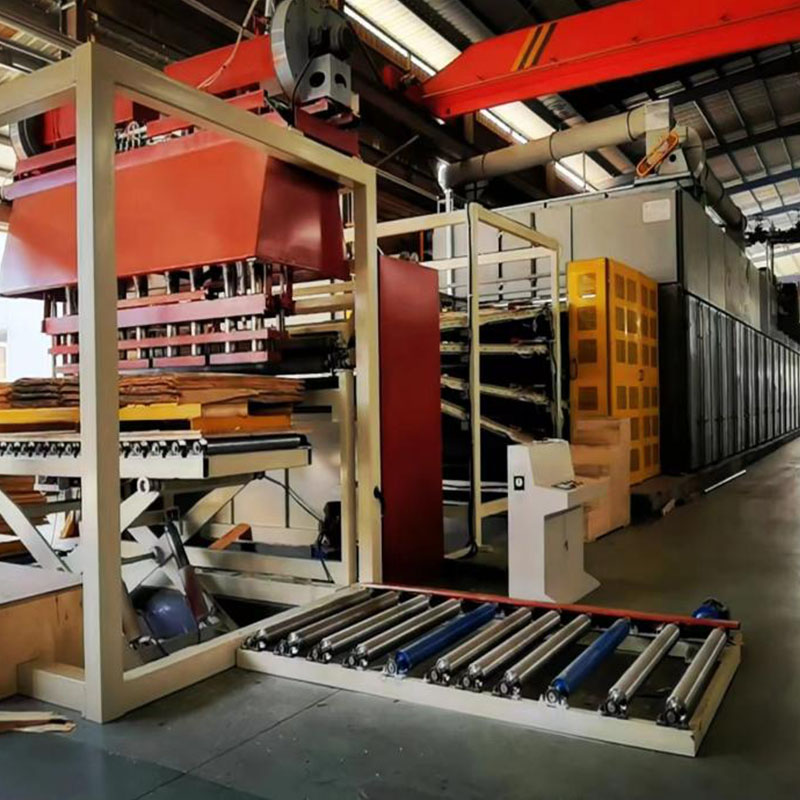
Confirm Where the Moisture Variation Occurs
An average moisture reading can hide a wet edge or a small group of wet sheets. Establish the acceptable range for the adhesive and production process, then compare individual readings against that range.
Compare Measurements Across Sheets and Dryer Decks
Use a repeatable sampling pattern across the sheet, including its edges and centre. Label readings by deck, feeding position, material batch and collection time. Follow the meter manufacturer's instructions for veneer thickness, species settings and any temperature correction. Readings taken using different methods are difficult to compare.
A wet band repeatedly appearing in the same feeding lane suggests a local condition worth investigating. Scattered wet sheets may instead reflect differences in incoming material. These patterns narrow the search; neither proves the cause by itself. Keep the observations alongside the mill's routine veneer drying checks.
Separate Uneven Drying from Moisture Regain
Compare results after cooling with readings taken before gluing, using comparable measurement conditions. If the veneer meets the agreed range after drying but changes during storage, inspect the storage environment and handling interval. A later moisture problem should not automatically trigger a hotter dryer setting.
Check Incoming Veneer Before Changing Dryer Settings
Once the variation is mapped, compare the affected sheets with the material entering the line. Species, thickness and initial moisture influence how much drying a sheet needs. Two sheets that look similar can require different residence times.
Check actual thickness rather than relying entirely on the nominal peeling setting. Where incoming moisture varies widely, trial a more consistent material group through the existing process. If its outlet readings become more consistent, improve sorting before making broad equipment adjustments.
Keep feeding reasonably steady during the comparison. Results from a lightly loaded start-up period may differ from those under sustained production. Record interruptions and loading changes so they are not mistaken for an unexplained machine fault.
Inspect Airflow, Heat Supply and Exhaust
If variation persists with comparable incoming veneer, use its location to guide the equipment inspection. Complete internal cleaning and mechanical checks only after the machine has been stopped, isolated and made safe under its operating procedures.
Trace Wet Areas to Air Distribution
Hot air must reach the veneer across the working width. Debris in jet boxes or heat exchangers can restrict circulation. A fan problem may also leave one area receiving different drying conditions from another.
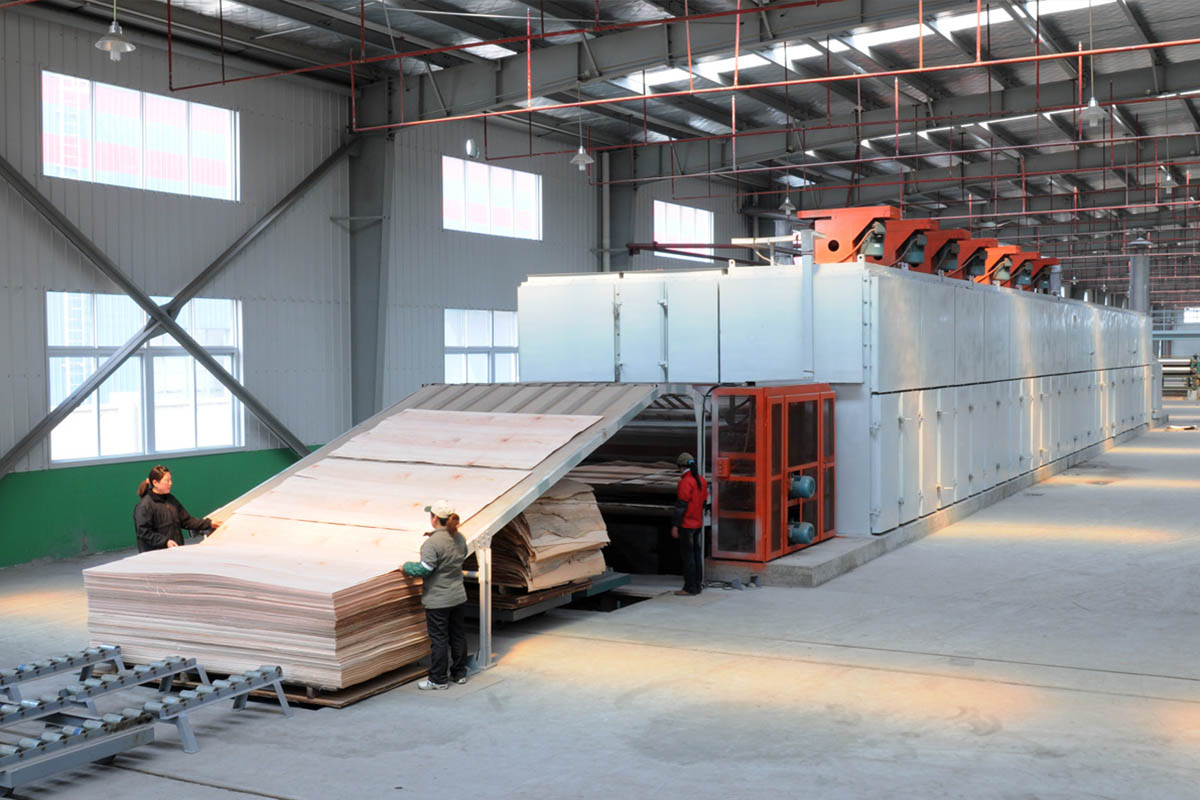
For example, the BG1334 Four-Deck Roller Veneer Dryer uses circulating hot air delivered through jetting bellows, with heating fans arranged on both sides of its front and rear heating areas. A recurring wet lane therefore warrants checking the relevant air path and fan operation, rather than assuming every deck needs a higher temperature.
Check Heat Transfer and Moisture Removal
When several decks become wetter at the same time, compare the production record with heat-supply conditions. On a steam-heated machine, reduced supply pressure or poor condensate discharge can reduce heating performance. Dirty heat-exchanger surfaces also deserve attention.
Exhaust settings affect the removal of moist air and the demand for replacement air. Opening exhaust further without checking the rest of the system may increase heat loss. Inspect the exhaust path and controls against the equipment specification. Xiangying's roller veneer dryer troubleshooting guide identifies heat-supply, fan, heater-cleanliness and exhaust faults as inspection points.
Adjust Line Speed and Verify the Next Batch
After correcting identified faults, review residence time using a consistent veneer group. Slower conveying gives material more time inside the heating sections, but it does not correct a blocked air path. It may also dry the acceptable sheets further.
Change one operating setting at a time within the manufacturer's limits. Record the change and allow the affected material to travel through the dryer before judging the result. Repeated adjustments based on sheets that entered under earlier settings can make the process harder to control.
Repeat the original sampling pattern under a comparable load. Check the range of readings, the number of sheets outside the agreed limits and visible damage. A lower average is not sufficient if wet areas remain or splitting increases. Retain the successful settings with the material conditions to which they apply.
For a hypothetical trial, suppose wet readings repeatedly occur on the left side of one deck. After an air-path obstruction is removed, sample that position again along with the centre and right side. Keep the incoming veneer group and conveying speed comparable. If the left-side readings improve while the other positions remain acceptable, the result supports the repair. If the pattern returns with a different material batch, compare its incoming condition before repeating the same adjustment. This is a way to test a suspected cause, rather than evidence that every wet lane has an airflow fault.
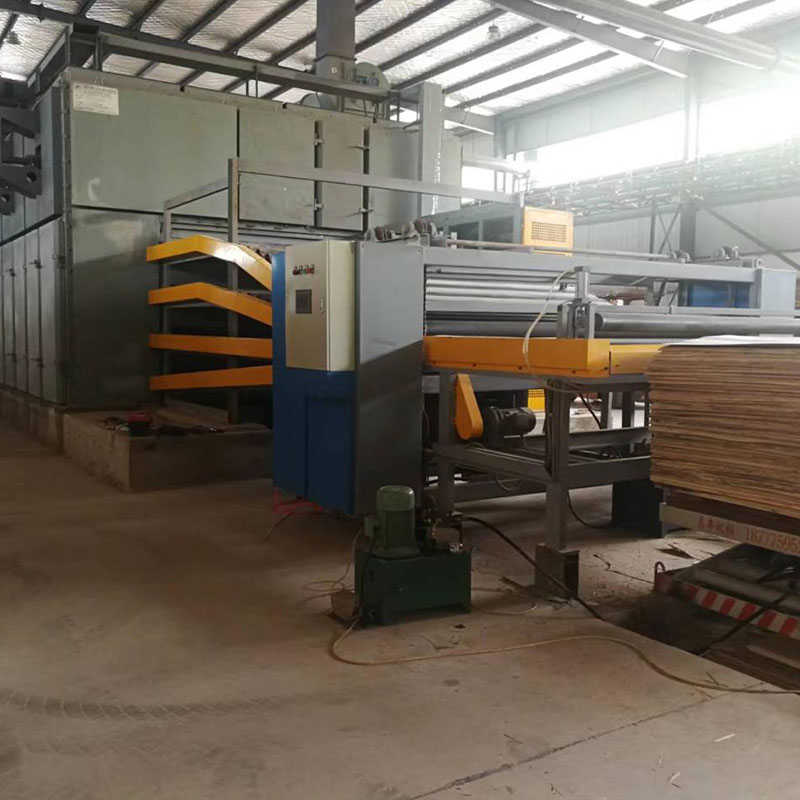
Veneer Drying Troubleshooting Support from Xiangying
Xiangying manufactures mesh belt, roller and combined veneer dryers. Its published troubleshooting information covers heating, airflow, conveying and cooling faults.
If the cause remains unclear, contact the team for help identifying the next inspection steps. A machine model and a brief description of the moisture pattern are useful starting points. Available operating records, photographs or video can help explain what changed and where the problem occurs.
Conclusion
Investigate uneven veneer moisture by locating the variation first. Compare incoming material, inspect the relevant air and heating systems, then verify any setting change with consistent measurements. This sequence gives the mill a clearer basis for adjustment than responding to every wet sheet with more heat or a slower line.
FAQs
Can Touch or Colour Confirm That Veneer Is Dry Enough?
No. Appearance and touch can flag a concern, but acceptance should rely on an appropriate moisture measurement method. The required moisture range comes from the adhesive and manufacturing process.
Should Wet Veneer Always Go Through the Dryer Again?
No. Segregate it and confirm its moisture before deciding on re-drying. Use an approved procedure for that material; another pass can overdry areas that already meet the requirement.
Does Moisture Variation Mean the Dryer Needs Replacing?
No. Review material variation, maintenance and operating records first. Equipment modification or replacement becomes a separate assessment when the required duty cannot be met under verified operating conditions.


Related Products
Best-selling Products
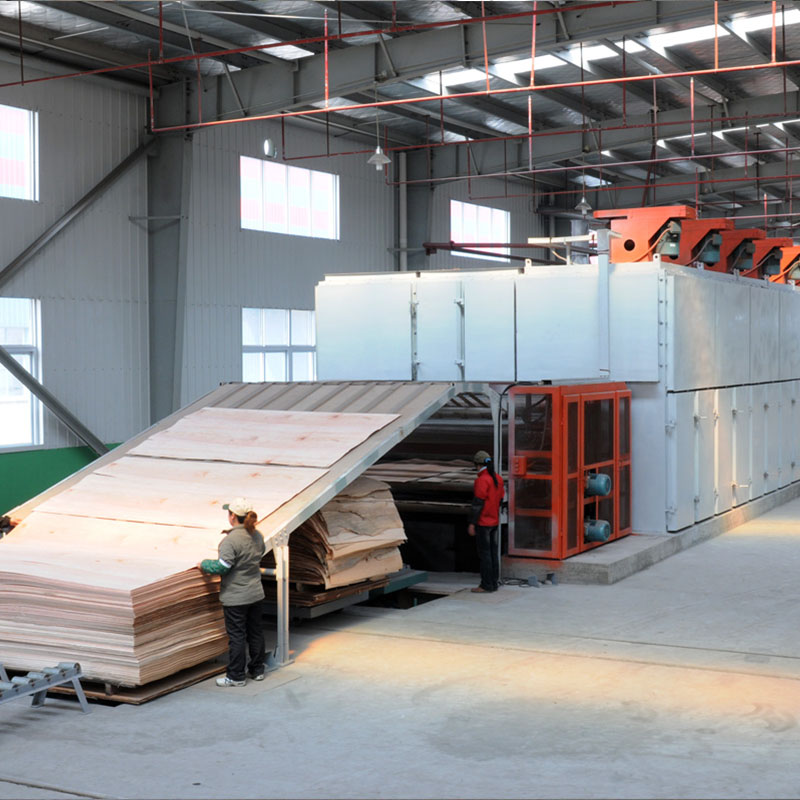
BG1933B Three-Deck Mesh-Roller Combined Veneer Dryer
Our product is a kind of straight-conveying transverse- circulating net-roller dryer, provided with both net and roller structures. net-roller veneer dryer has two kinds' layers of net and roller; it can be in process to dry for face plate and thick core plate at the same time. It has the advantages of less ground space and multi-use of one machine.
Our product is a kind of straight-conveying transverse- circulating net-roller dryer, combining advantages of European dryers. It uses the side equipped centrifugal fans( air flow 62 thousands m3/h). New heat exchanger and rectangle variable cross-section spray boxes make the veneer surface uniformity for heating air. Heating sections fans of front and back areas are equipped by left and right, so they make the veneers the same final humidity after dried. In addition, for the damp climate condition, the dyer adds the cooling open sections length, it is advantages for veneers cooling that it avoids getting damp.
The dryer's heating system use steam or oil boiler. When it uses the oil boiler, it needs to know the system safety, heating system tubes and heating exchangers should avoid carbon deposit and fire accident. Don't let water, acidity and low boiling point material into system.
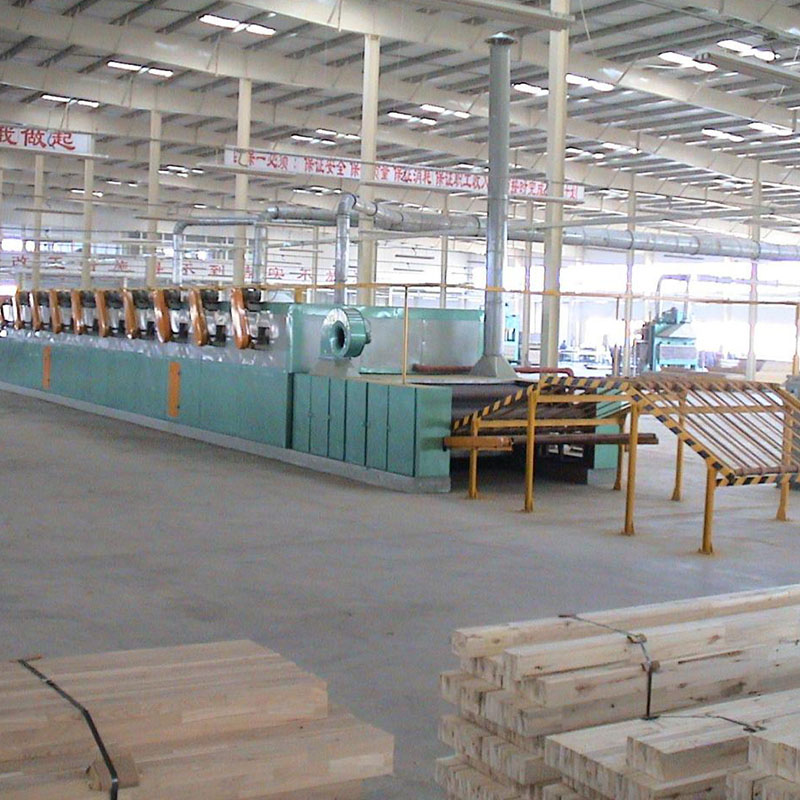
BG1932 Two-Deck Mesh-Roller Combined Veneer Dryer
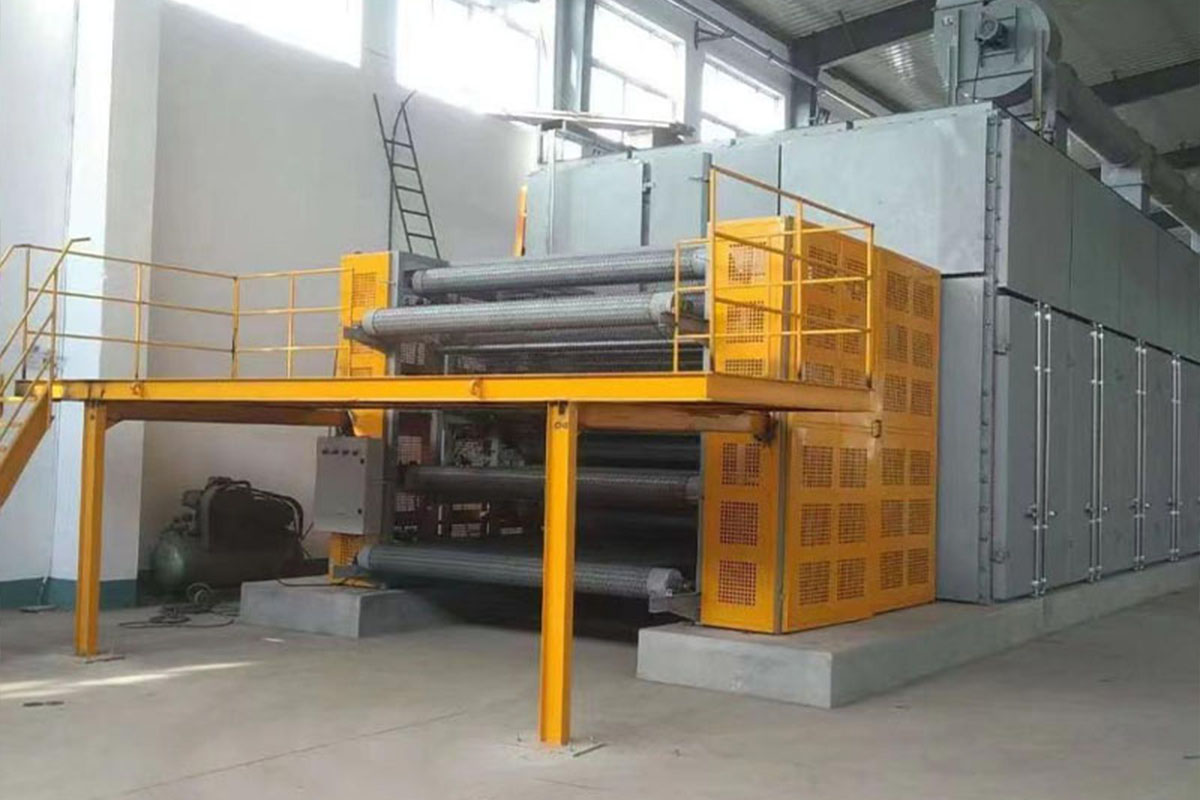
BG1932 2-layers net-roller veneer dryer has two kinds' layers of net and roller; it can be in process to dry for face plate and thick core plate at the same time. It has the advantages of less ground space and multi-use of one machine.
The BG1932 net-roller dryer machine is designed by unit structure principle, the standard type is 10 sections. 2 meter as a standard for one dryer area, one section cooling room, one drive system, input roller table and output roller table. Customer can choose the sections of dryer machine according to your needs. (5 sections to 15 sections)
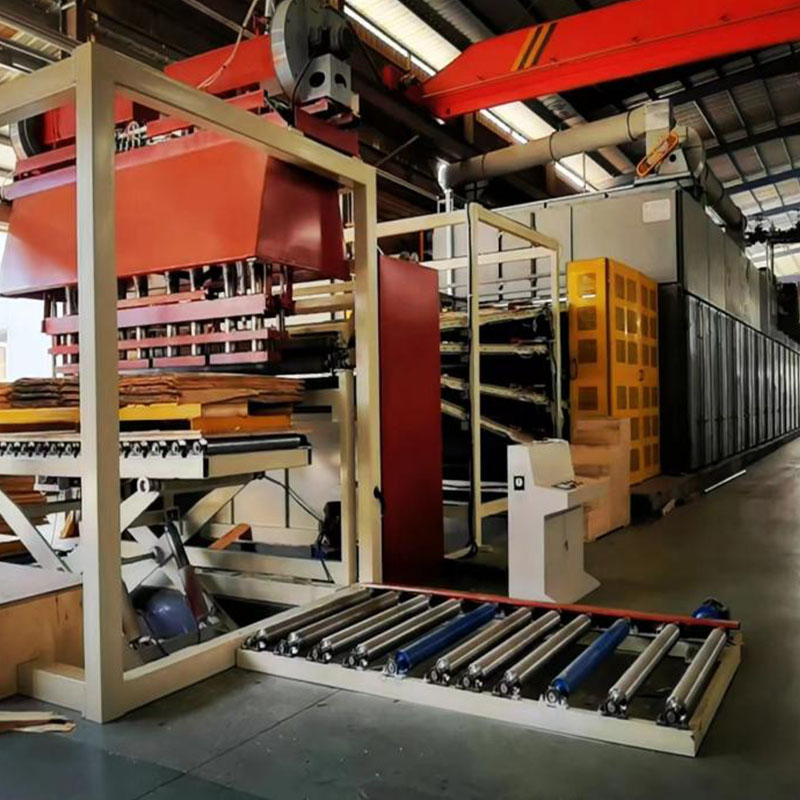
BG1334 Four-Deck Roller Veneer Dryer
BG1334 4-deck jetting roller veneer dryer consists conveying system, heating section, steam system, cooling section, exhausting system and input & output roller system. Heating section consists of two parts, front and back part, with heating fans set on both side to ensure consistent final moisture at each point.
In heating process, air is compressed into heaters by erect centrifugal fans for heating, and then compressed into jetting bellows. Afterwards, hot air is jetted onto veneers conveyed between rollers for drying. Hot damp air then again is drawed into centrifugal fans for a circular use. Part of hot damp air is exhausted through exhausting system in exchange of some fresh air to keep a proper air moisture. It adapt to the technologic conditions: first, cut; second, dry. It is mainly with drying core board of veneers. The stringy orientation of dry veneer is the same as inputting veneer, and the width should be more than 350mm, or it will be happened phenomenon of walling up veneers.
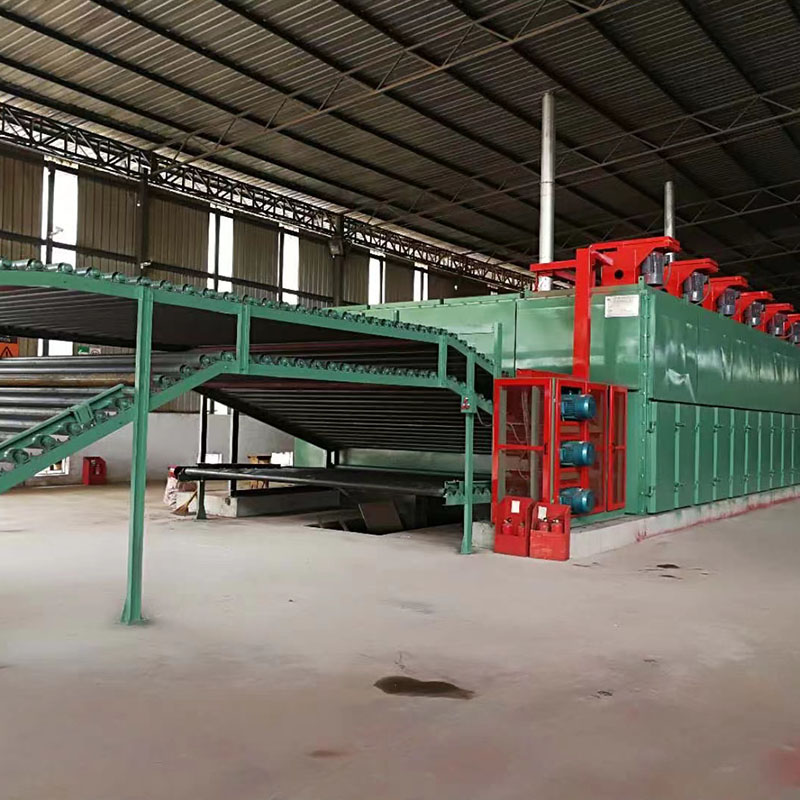
BG1333 Three-Deck Roller Veneer Dryer
BG1333 3-deck jetting roller veneer dryer consists conveying system, heating section, steam system, cooling section, exhausting system and input & output roller system. Heating section consists of two parts, front and back part, with heating fans set on both side to ensure consistent final moisture at each point.
In heating process, air is compressed into heaters by erect centrifugal fans for heating, and then compressed into jetting bellows. Afterwards, hot air is jetted onto veneers conveyed between rollers for drying. Hot damp air then again is drawed into centrifugal fans for a circular use. Part of hot damp air is exhausted through exhausting system in exchange of some fresh air to keep a proper air moisture.
It adapt to the technologic conditions: first, cut; second, dry. It is mainly with drying core board of veneers. The stringy orientation of dry veneer is the same as inputting veneer, and the width should be more than 350mm, or it will be happened phenomenon of walling up veneers.
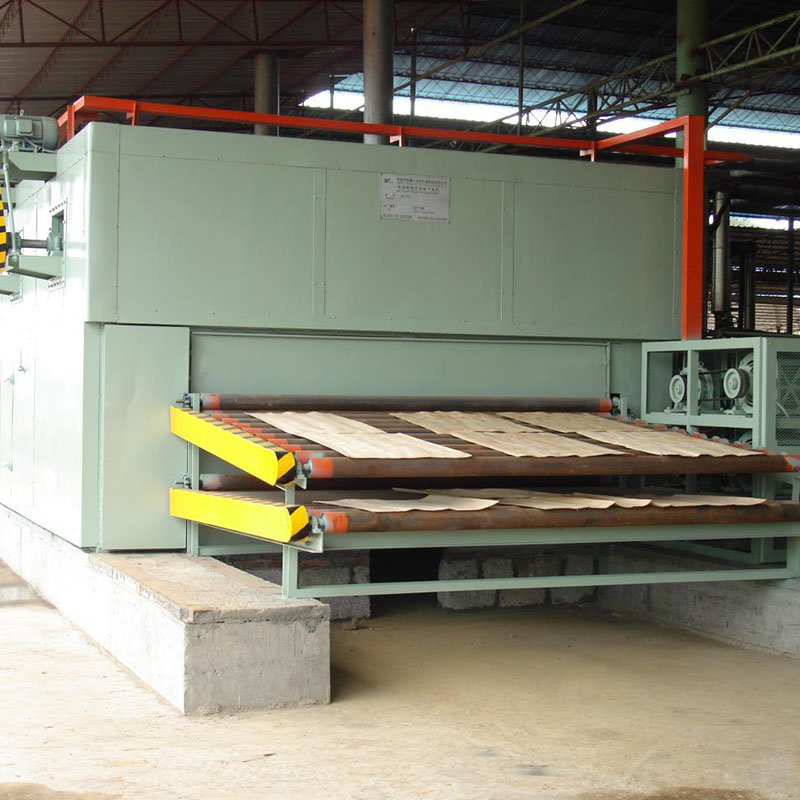
BG1332 Two-Deck Roller Veneer Dryer
BG1332 2-deck jetting roller veneer dryer is a main equipment of producing veneer. It adapt to the technologic conditions: first, cut second, dry. It is mainly with drying core board of veneers. The stringy orientation of dry veneer is the same as inputting veneer, and the width should be more than 350mm, or it will be happened phenomenon of walling up veneers. There is a ventilator in every unit dry area; it adopts straight-conveying transverse - circulating jetting way, and it lets heat put into and make humidity (wet) vent, quicken the dry pace much. Also, it makes the veneer dry be well-proportioned, reduce warp of the hydrous rate. The product has some advantages: maintain convenience, trusty safe and so on. So this is a perfect product for drying thick veneers in producing veneers process.
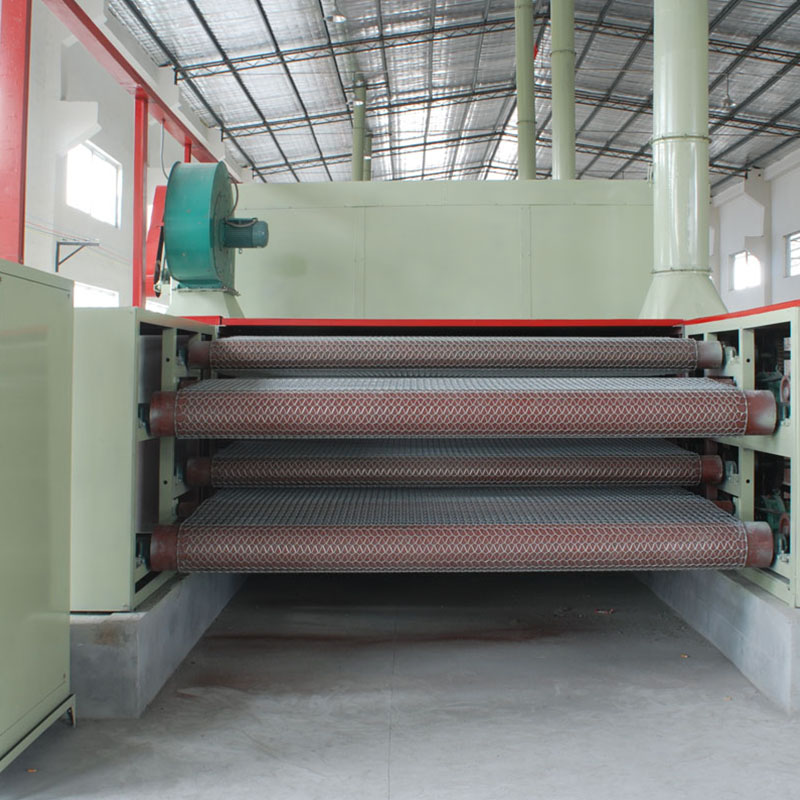
BG183 Two-Deck Mesh Belt Veneer Dryer
Our product is a kind of transverse-circulating vertical-jetting belt dryer, a kind of continuous drying equipment. Our product can be applied for the drying process of top and bottom veneer, which can be used to produce architectural moulding board, joinery board, floor board, container bottom board, and so on. eatured with less acreage and more usage, applied with the advantages of the advanced veneer dryers in and abroad, and designed for the purpose of economy, trustiness and high grade, our product guarantees a promotion of yield, an improvement of products, a cut of energy consuming and production cost, as well as satisfactory increasing benefit.
The standard type includes 13 heating sections, one cooling section (leftward) , and we can add or remove proper heating sections and adjust the heading type in order to meet your demands of production, concerning yield, arrangement and location. We'll do our best to help you obtain the most producing capability with the least investment.