
អំពីយើង
Xiangying គឺជាក្រុមហ៊ុនផលិតម៉ាស៊ីនសម្ងួតឈើ និងឧបករណ៍ក្តារបន្ទះដែលមានជំនាញវិជ្ជាជីវៈ។
ទីតាំងទំហំ 18,000 ម៉ែត្រការ៉េរបស់យើង រួមមានអគារទំហំ 15,000 ម៉ែត្រការ៉េ ដែលគាំទ្រដល់ការអភិវឌ្ឍផលិតផល ការផលិត និងសេវាកម្មសម្រាប់អតិថិជននៅក្នុងប្រទេសចិន និងនៅបរទេស។
ទទួលបានសម្រង់តម្លៃឥតគិតថ្លៃ
Error: Contact form not found.
-
ផ្ទះ

-
ប្លុក
-
ព័ត៌មានថ្មីៗ
- 4-Foot vs. 8-Foot Glue Spreader for Plywood: How to Choose the Right Width

4-Foot vs. 8-Foot Glue Spreader for Plywood: How to Choose the Right Width
-
អ្នកគ្រប់គ្រង
- 26,ខែវិច្ឆិកា
When buying a glue spreader for plywood, size it for the widest piece of veneer that will actually pass through the rollers. A 4-foot machine is a candidate when the production mix fits its usable coating width in the intended feed direction. An 8-foot machine is worth evaluating when wider sheets must enter without being turned or split. The dimensions of the finished panel are a starting point. The untrimmed veneer and how the line feeds it determine the working width you need.
Measure the Veneer That Will Enter the Glue Spreader
Start at the gluing station. The feeder sees the sheet that arrives from trimming, grading or composing, which may be a different size from the panel listed on the order. Record the actual dimensions and feeding direction for each product family the machine must handle.
Identify the Dimension Across the Rollers
For a rectangular sheet, width means the dimension perpendicular to travel. For example, a sheet that is 1,250 mm by 2,500 mm presents a different width when it feeds short edge first than when it feeds long edge first. Check the conveyor layout and the required grain direction in the layup before assuming the operator can turn the sheet. Turning it at the spreader only works if the line can deliver it to the next station in the required orientation.
Allow for Oversize Sheets and Feeding Variation
Measure stock at the condition in which it will be glued, including any allowance for later trimming. If the edges vary or the sheet runs slightly off centre, the usable coated area must still cover the required portion of the veneer. Ask how the supplier defines usable coating width, whether it differs from roller face length, and what feeding clearance the machine needs. A width label alone cannot settle a borderline fit.
Compare 4-Foot and 8-Foot Glue Spreaders Using the Same Sheet List
Use the measurements to compare both machines against the same production mix. Give the supplier the regular formats and the largest credible outlier, along with the orientation you intend to use. That makes it easier to distinguish an occasional special order from a width requirement that affects every shift.
Start With a 4-Foot Model for Narrower Feed Formats
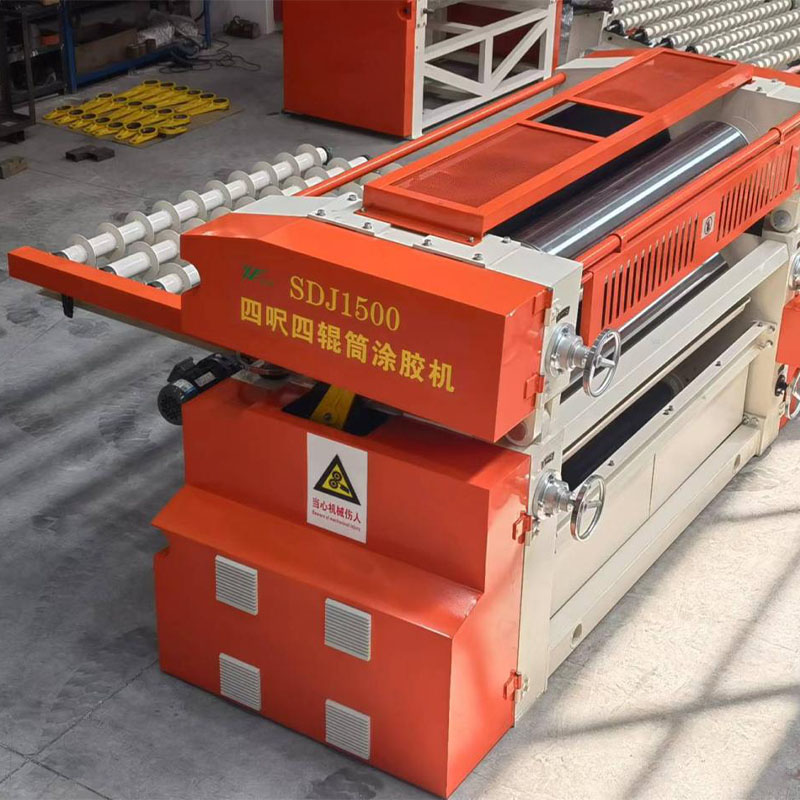
The ម៉ាស៊ីនបាចកាវ SDJ1500 ទំហំ ៤ ហ្វីត បួនគ្រាប់ applies adhesive to core veneer. Evaluate it if all the sheets assigned to the station can pass through in the intended orientation with room for normal feeding variation. A mill that only occasionally handles a wider format can compare the cost and handling of a separate route for those sheets with the cost of installing a wider unit on the main line.
Evaluate an 8-Foot Model for Wider Veneer
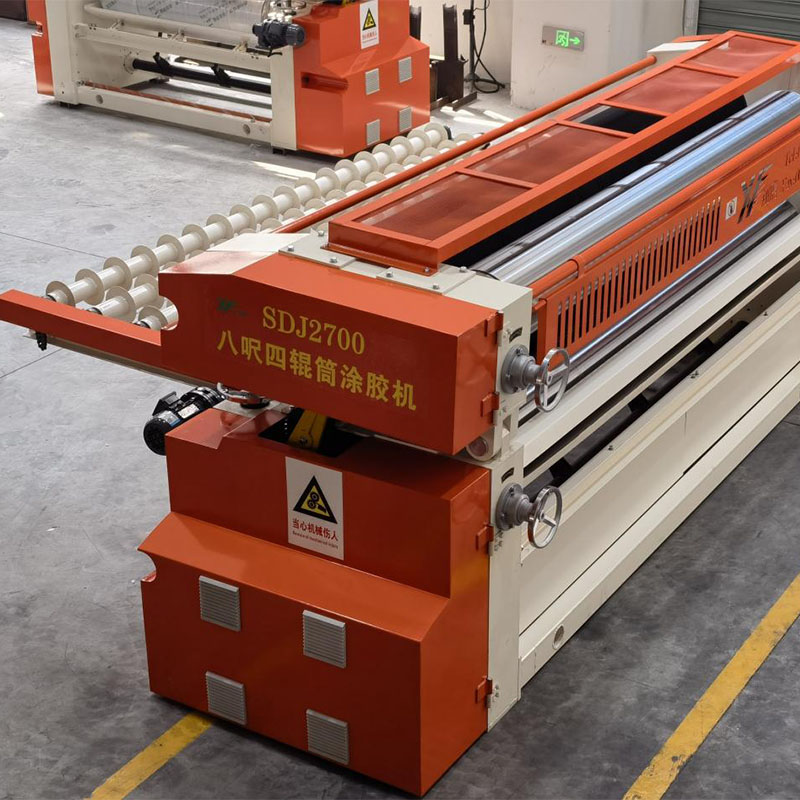
The ម៉ាស៊ីនបាចកាវ SDJ2700 ទំហំ ៨ ហ្វីត បួនគ្រាប់ is the wider option in the same product family. Consider it when the veneer must span more of the rollers because of the sheet format or the feed direction required by the line. If the machine will also run narrow stock, include it in the trial. A successful run on the widest sheet does not establish how readily a team can return to its most common narrower format.
Check How the Selected Width Fits the Plywood Line
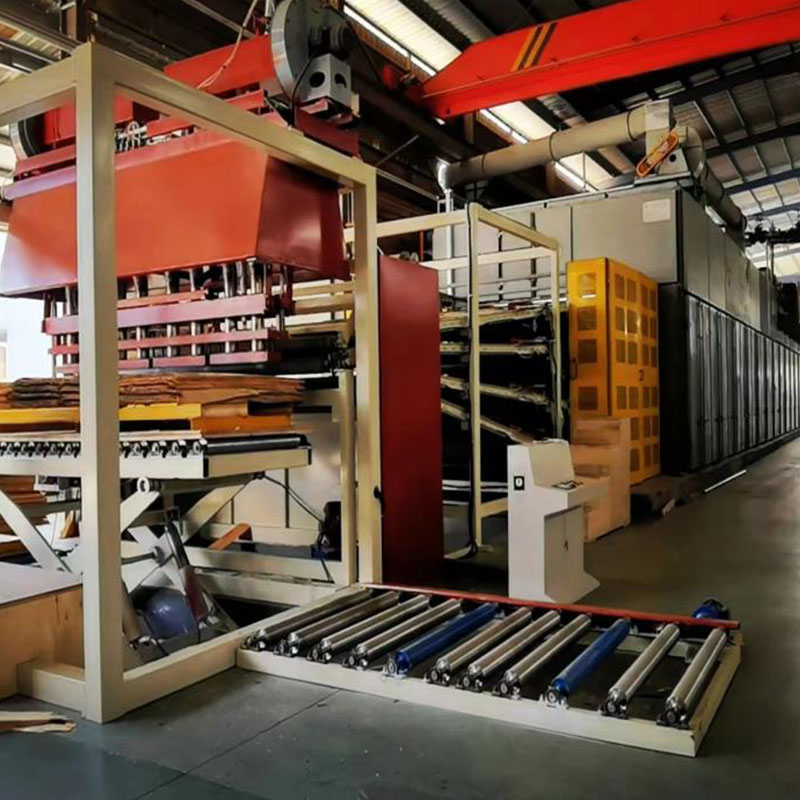
Once a machine can handle the sheet width, follow a sheet from infeed through discharge. Check that transfer tables and guides support it and that the outfeed can pass it toward layup without an extra turn or awkward handoff. Compare the installation drawings, including space to approach the machine for cleaning and roller service. A wider coating station solves little if an existing conveyor or aisle still constrains how material reaches it.
Also compare production rate at the station with what the layup crew can accept. Working width describes the sheet format the machine can accommodate. The practical rate for the line depends on feeding, coating and downstream handling. When comparing four-roller glue spreader configurations, check how the operator changes between the formats you run most often. A wider machine may fit every format on paper, yet frequent adjustments between short runs can still affect the amount of usable veneer the station delivers over a shift.
Verify Coverage and Handling in a Trial
Include a typical sheet, the widest sheet and any thin or irregular stock that routinely goes through the station. Agree on the adhesive, process settings and method for checking spread before the trial. Look at both edges and the centre of the sheet after coating. Full-width coverage on a single sample is helpful, but several consecutive sheets show whether the normal feed method can repeat the result.
If a sample misses glue at one edge, look for a pattern. A dry strip that moves when the sheet moves sideways calls for checking guidance or usable width. Streaks on a well-centred sample can be a coating or roller condition issue. Document where the problem occurs so the supplier can distinguish a size mismatch from a process adjustment.
For a mixed-format trial, run the wider sheet and then switch back to the narrower stock the way operators would during a regular shift. Record any changes to guides or coating settings and retain samples from both formats. This provides a basis for comparing how much setup work each option adds when the mill changes products.
Glue Spreader Selection Support From Xiangying
Xiangying manufactures four-roller glue spreaders for core veneer. To compare its two widths, start with your largest untrimmed sheet and its intended feeding direction. Ask for the usable coating width and installation dimensions for the proposed configuration. A photo or simple sketch of the infeed and layup stations helps explain whether the sheet must stay in the same orientation.
Conclusion
Choose the width that covers the veneer you actually feed, with room for normal handling variation. Confirm the choice on a representative trial and check the transfer to layup before purchase. This gives the mill a practical basis for choosing between 4-foot and 8-foot equipment.
FAQs
Can an 8-Foot Glue Spreader Run Narrower Sheets?
It may be suitable, depending on the machine configuration and how you guide the sheets. Include the narrowest regular format in the trial and check coverage after changing formats.
Should the Purchase Specification Use Inches or Millimetres?
Either unit works. Use the same unit throughout the RFQ and state which dimension runs across the rollers. Ask the supplier to confirm the usable width in that unit.
Does Choosing a Wider Glue Spreader Reduce Glue Consumption?
Width determines the format the machine can handle. To assess consumption, compare the applied glue mass per unit area for the same veneer and adhesive under comparable operating conditions.



ផលិតផលពាក់ព័ន្ធ
ផលិតផលលក់ដាច់បំផុត
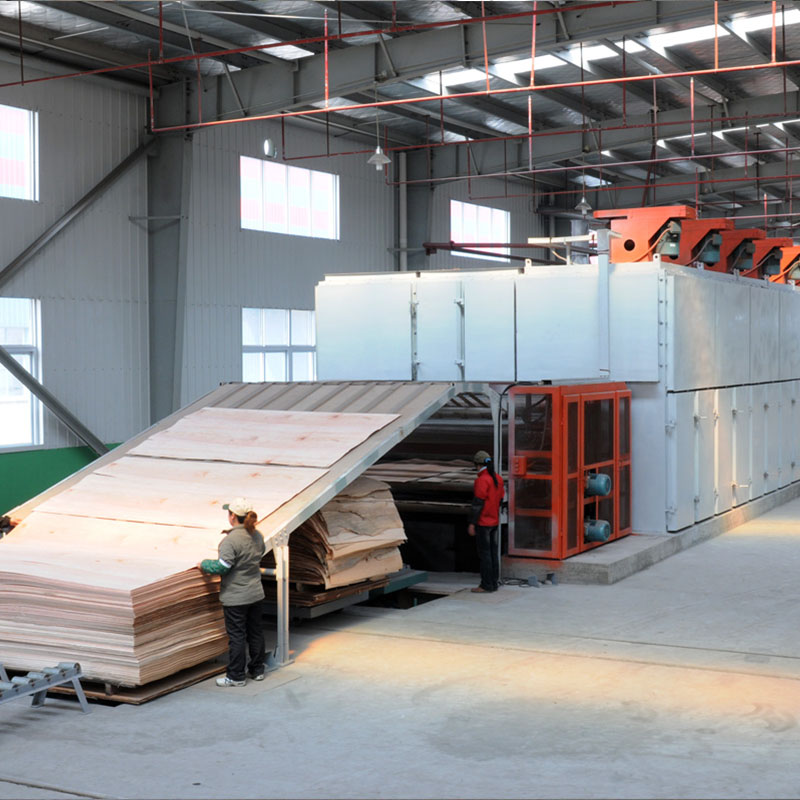
ម៉ាស៊ីនសម្ងួតស្រទាប់ឈើរួមបញ្ចូលគ្នា BG1933B សំណាញ់រមូរបីជាន់
ផលិតផលរបស់យើងគឺជាប្រភេទម៉ាស៊ីនសម្ងួតសំណាញ់រំកិលឆ្លងកាត់ដែលបញ្ជូនត្រង់ ដែលមានរចនាសម្ព័ន្ធសំណាញ់ និងរមូរ។ ម៉ាស៊ីនសម្ងួតស្រទាប់សំណាញ់រំកិលមានស្រទាប់សំណាញ់ និងរមូរពីរប្រភេទ។ វាអាចសម្ងួតសម្រាប់បន្ទះមុខ និងបន្ទះស្នូលក្រាស់ក្នុងពេលតែមួយ។ វាមានគុណសម្បត្តិនៃទំហំដីតិចជាង និងការប្រើប្រាស់ច្រើនយ៉ាងនៃម៉ាស៊ីនតែមួយ។
ផលិតផលរបស់យើងគឺជាប្រភេទម៉ាស៊ីនសម្ងួតសំណាញ់រំកិលឆ្លងកាត់ដែលបញ្ជូនត្រង់ ដែលរួមបញ្ចូលគ្នានូវគុណសម្បត្តិនៃម៉ាស៊ីនសម្ងួតអឺរ៉ុប។ វាប្រើកង្ហារ centrifugal ដែលបំពាក់ដោយចំហៀង (លំហូរខ្យល់ 62 ពាន់ម៉ែត្រគូប/ម៉ោង)។ ឧបករណ៍ផ្លាស់ប្តូរកំដៅថ្មី និងប្រអប់បាញ់ថ្នាំចតុកោណកែងដែលមានផ្នែកឆ្លងកាត់អាចផ្លាស់ប្តូរបាន ធ្វើឱ្យផ្ទៃឈើមានឯកសណ្ឋានសម្រាប់កំដៅខ្យល់។ កង្ហារផ្នែកកំដៅនៃផ្នែកខាងមុខ និងខាងក្រោយត្រូវបានបំពាក់ដោយខាងឆ្វេង និងខាងស្តាំ ដូច្នេះវាធ្វើឱ្យឈើមានសំណើមចុងក្រោយដូចគ្នាបន្ទាប់ពីស្ងួត។ លើសពីនេះ សម្រាប់លក្ខខណ្ឌអាកាសធាតុសើម ម៉ាស៊ីនជ្រលក់ពណ៌បន្ថែមប្រវែងផ្នែកបើកចំហដែលត្រជាក់ វាជាគុណសម្បត្តិសម្រាប់ការត្រជាក់ឈើដែលវាជៀសវាងការសើម។
ប្រព័ន្ធកំដៅរបស់ម៉ាស៊ីនសម្ងួតប្រើឡចំហាយទឹក ឬឡចំហាយប្រេង។ នៅពេលវាប្រើឡចំហាយប្រេង វាត្រូវដឹងពីសុវត្ថិភាពប្រព័ន្ធ បំពង់ប្រព័ន្ធកំដៅ និងឧបករណ៍ផ្លាស់ប្តូរកំដៅគួរតែជៀសវាងការប្រមូលផ្តុំកាបូន និងគ្រោះថ្នាក់អគ្គីភ័យ។ កុំឱ្យទឹក ជាតិអាស៊ីត និងសម្ភារៈចំណុចរំពុះទាបចូលទៅក្នុងប្រព័ន្ធ។
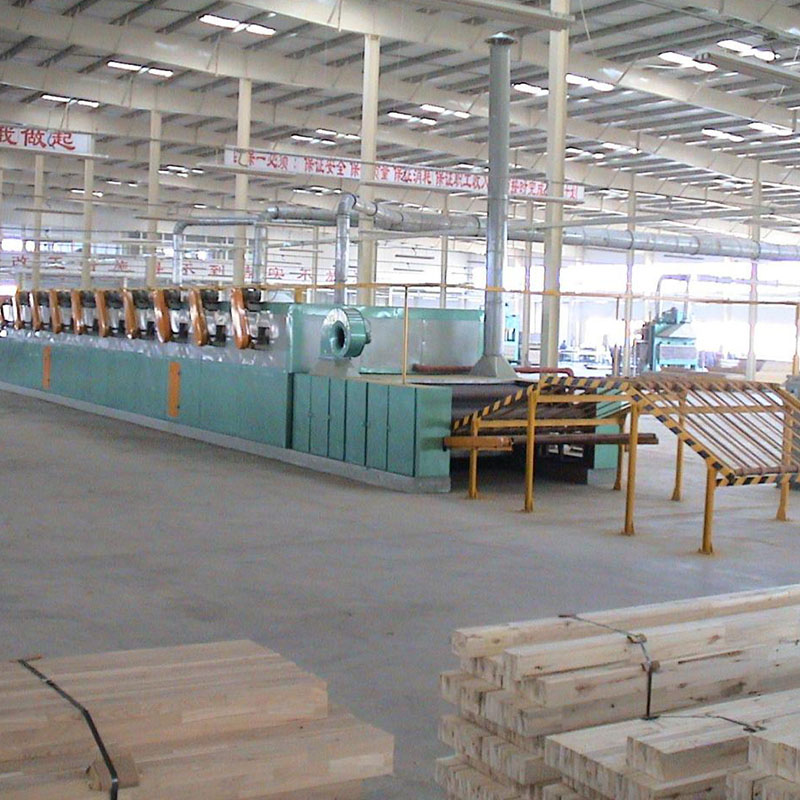
ម៉ាស៊ីនសម្ងួតស្រទាប់ឈើរួមបញ្ចូលគ្នា BG1932 សំណាញ់រមូរពីរជាន់
ម៉ាស៊ីនសម្ងួតស្រទាប់ឈើ BG1932 ពីរស្រទាប់ មានស្រទាប់សំណាញ់ និងស្រទាប់រំកិលពីរប្រភេទ។ វាអាចសម្ងួតសម្រាប់បន្ទះមុខ និងបន្ទះស្នូលក្រាស់ក្នុងពេលតែមួយ។ វាមានគុណសម្បត្តិនៃទំហំដីតិចជាង និងការប្រើប្រាស់ច្រើនយ៉ាងនៃម៉ាស៊ីនតែមួយ។
ម៉ាស៊ីនសម្ងួតប្រភេទសំណាញ់រមូរ BG1932 ត្រូវបានរចនាឡើងតាមគោលការណ៍រចនាសម្ព័ន្ធឯកតា ប្រភេទស្តង់ដារគឺ 10 ផ្នែក។ 2 ម៉ែត្រជាស្តង់ដារសម្រាប់តំបន់សម្ងួតមួយ បន្ទប់ត្រជាក់មួយផ្នែក ប្រព័ន្ធបើកបរមួយ តុរមូរបញ្ចូល និងតុរមូរទិន្នផល។ អតិថិជនអាចជ្រើសរើសផ្នែកនៃម៉ាស៊ីនសម្ងួតតាមតម្រូវការរបស់អ្នក។ (5 ផ្នែកទៅ 15 ផ្នែក)
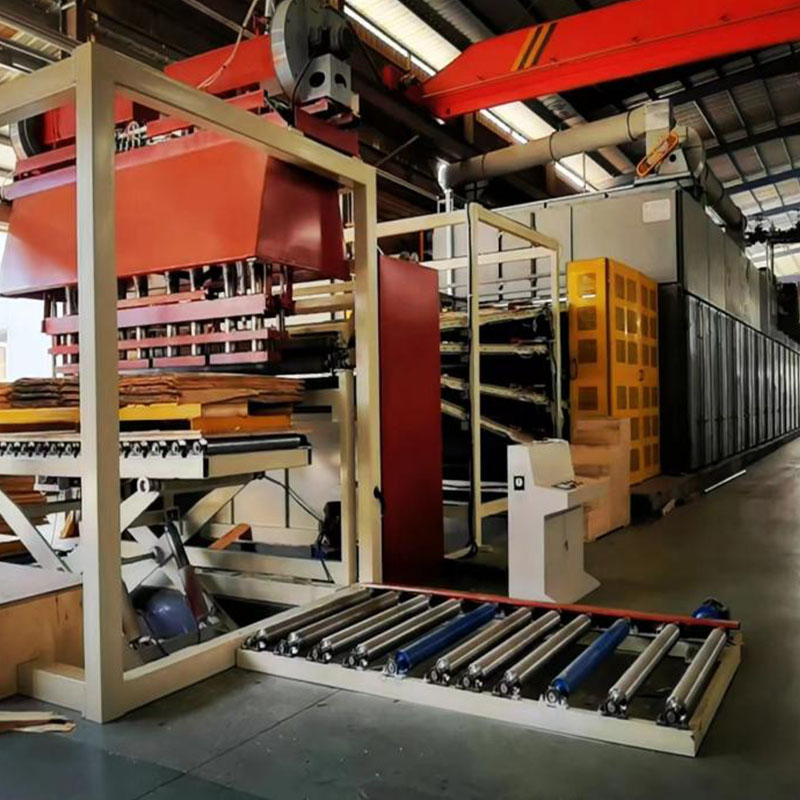
ម៉ាស៊ីនសម្ងួតឈើប្រភេទរមូរបួនជាន់ BG1334
ម៉ាស៊ីនសម្ងួតស្រទាប់ឈើប្រភេទរំកិលបាញ់ទឹក ៤ ជាន់ BG1334 មានប្រព័ន្ធដឹកជញ្ជូន ផ្នែកកំដៅ ប្រព័ន្ធចំហាយទឹក ផ្នែកត្រជាក់ ប្រព័ន្ធបញ្ចេញខ្យល់ និងប្រព័ន្ធរំកិលបញ្ចូល និងបញ្ចេញ។ ផ្នែកកំដៅមានពីរផ្នែក គឺផ្នែកខាងមុខ និងខាងក្រោយ ជាមួយនឹងកង្ហារកំដៅដែលដាក់នៅសងខាង ដើម្បីធានាបាននូវសំណើមចុងក្រោយដែលមានស្ថេរភាពនៅចំណុចនីមួយៗ។
នៅក្នុងដំណើរការកំដៅ ខ្យល់ត្រូវបានបង្ហាប់ចូលទៅក្នុងឧបករណ៍កម្តៅដោយកង្ហារ centrifugal បញ្ឈរសម្រាប់កំដៅ ហើយបន្ទាប់មកត្រូវបានបង្ហាប់ចូលទៅក្នុង bellows បាញ់។ បន្ទាប់មក ខ្យល់ក្តៅត្រូវបានបាញ់ទៅលើ veneers ដែលបញ្ជូនរវាង rollers សម្រាប់សម្ងួត។ បន្ទាប់មកខ្យល់ក្តៅសើមត្រូវបានទាញចូលទៅក្នុងកង្ហារ centrifugal សម្រាប់ការប្រើប្រាស់ជារង្វង់។ ផ្នែកមួយនៃខ្យល់ក្តៅសើមត្រូវបានបញ្ចេញតាមរយៈប្រព័ន្ធបញ្ចេញខ្យល់ចេញ ដើម្បីផ្លាស់ប្តូរខ្យល់ស្រស់មួយចំនួន ដើម្បីរក្សាសំណើមខ្យល់ឱ្យបានត្រឹមត្រូវ។ វាសម្របខ្លួនទៅនឹងលក្ខខណ្ឌបច្ចេកវិទ្យា៖ ទីមួយ កាត់; ទីពីរ ស្ងួត។ វាភាគច្រើនជាមួយនឹងការសម្ងួតបន្ទះស្នូលនៃ veneers។ ទិសដៅខ្សែរនៃ veneers ស្ងួតគឺដូចគ្នានឹងការបញ្ចូល veneer ហើយទទឹងគួរតែលើសពី 350mm បើមិនដូច្នោះទេ វានឹងកើតឡើងបាតុភូតនៃការជញ្ជាំង veneers។
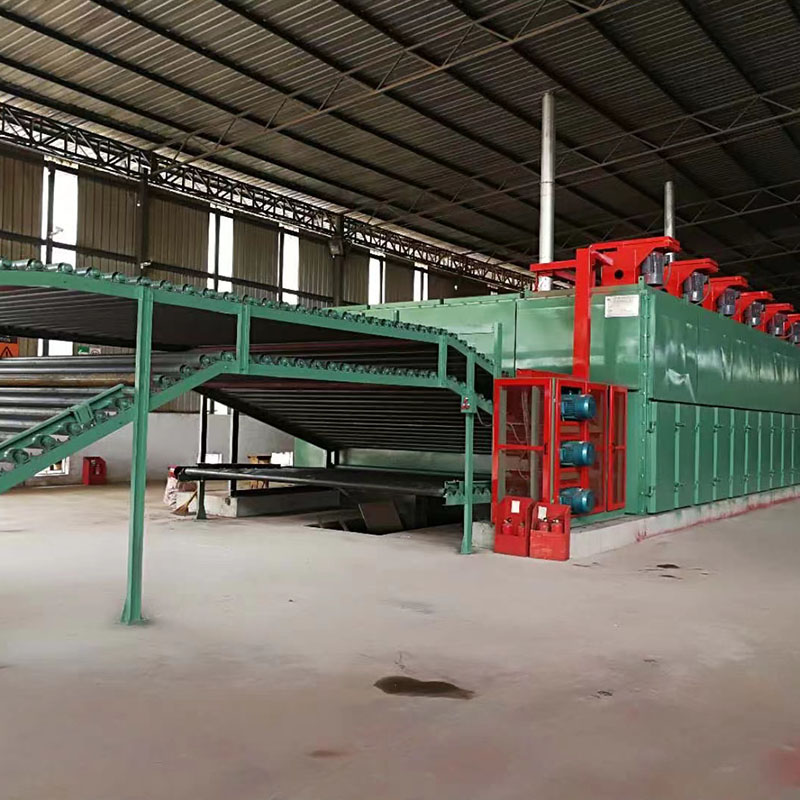
ម៉ាស៊ីនសម្ងួតបន្ទះឈើរមូរបីជាន់ BG1333
ម៉ាស៊ីនសម្ងួតស្រទាប់ឈើប្រភេទរំកិលបាញ់ទឹក BG1333 មានប្រព័ន្ធដឹកជញ្ជូន ផ្នែកកំដៅ ប្រព័ន្ធចំហាយទឹក ផ្នែកត្រជាក់ ប្រព័ន្ធបញ្ចេញខ្យល់ និងប្រព័ន្ធរំកិលបញ្ចូល និងបញ្ចេញ។ ផ្នែកកំដៅមានពីរផ្នែក គឺផ្នែកខាងមុខ និងខាងក្រោយ ជាមួយនឹងកង្ហារកំដៅដែលដាក់នៅសងខាង ដើម្បីធានាបាននូវសំណើមចុងក្រោយដែលមានស្ថេរភាពនៅចំណុចនីមួយៗ។
នៅក្នុងដំណើរការកំដៅ ខ្យល់ត្រូវបានបង្ហាប់ចូលទៅក្នុងឧបករណ៍កម្តៅដោយកង្ហារ centrifugal បញ្ឈរសម្រាប់កំដៅ ហើយបន្ទាប់មកបង្ហាប់ចូលទៅក្នុង bellows បាញ់។ បន្ទាប់មក ខ្យល់ក្តៅត្រូវបានបាញ់ទៅលើ veneers ដែលបញ្ជូនរវាង rollers សម្រាប់សម្ងួត។ បន្ទាប់មក ខ្យល់ក្តៅសើមត្រូវបានទាញចូលទៅក្នុងកង្ហារ centrifugal សម្រាប់ការប្រើប្រាស់ជារង្វង់។ ផ្នែកមួយនៃខ្យល់ក្តៅសើមត្រូវបានបញ្ចេញតាមរយៈប្រព័ន្ធបញ្ចេញខ្យល់ ដើម្បីផ្លាស់ប្តូរខ្យល់ស្រស់មួយចំនួន ដើម្បីរក្សាសំណើមខ្យល់ឱ្យបានត្រឹមត្រូវ។
វាសម្របខ្លួនទៅនឹងលក្ខខណ្ឌបច្ចេកវិទ្យា៖ ទីមួយ កាត់ ទីពីរ ស្ងួត។ វាភាគច្រើនជាមួយនឹងការសម្ងួតបន្ទះស្នូលនៃបន្ទះឈើស្តើង។ ទិសដៅខ្សែរនៃបន្ទះឈើស្តើងស្ងួតគឺដូចគ្នានឹងការបញ្ចូលបន្ទះឈើស្តើង ហើយទទឹងគួរតែលើសពី 350 មីលីម៉ែត្រ បើមិនដូច្នោះទេវានឹងកើតឡើងនូវបាតុភូតនៃការជញ្ជាំងបន្ទះឈើស្តើង។
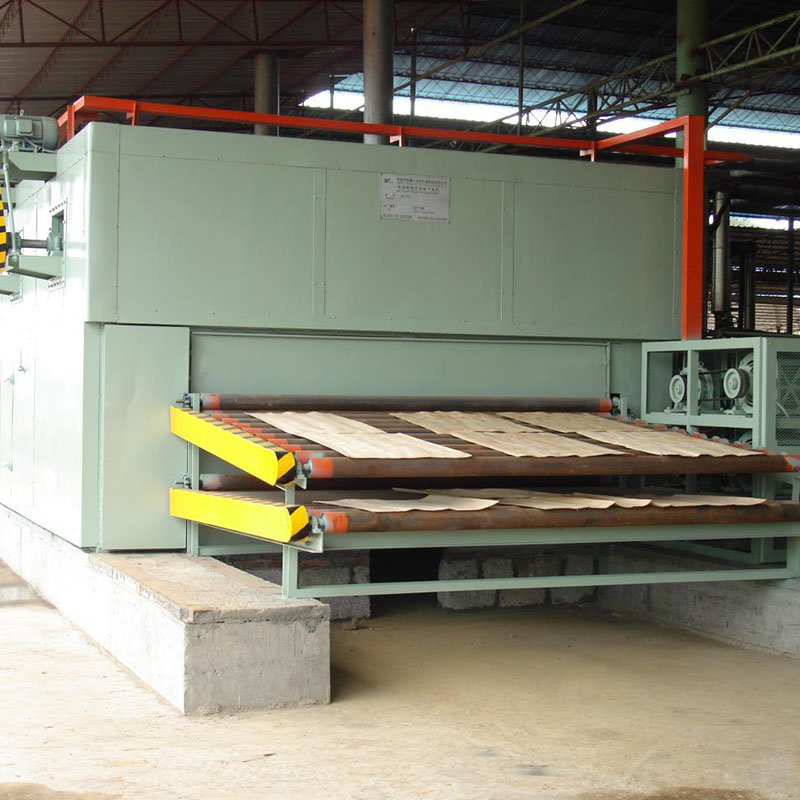
ម៉ាស៊ីនសម្ងួតឈើប្រភេទ Roller Veneer ពីរជាន់ BG1332
ម៉ាស៊ីនសម្ងួតស្រទាប់ឈើ BG1332 ពីរជាន់ ប្រភេទរំកិលបាញ់ទឹក គឺជាឧបករណ៍សំខាន់សម្រាប់ផលិតស្រទាប់ឈើ។ វាសម្របខ្លួនទៅនឹងលក្ខខណ្ឌបច្ចេកវិទ្យា៖ ទីមួយ កាត់ ទីពីរ ស្ងួត។ វាភាគច្រើនសម្ងួតបន្ទះស្នូលនៃស្រទាប់ឈើ។ ទិសដៅខ្សែរនៃស្រទាប់ឈើស្ងួតគឺដូចគ្នានឹងការបញ្ចូលស្រទាប់ឈើ ហើយទទឹងគួរតែលើសពី 350 មីលីម៉ែត្រ បើមិនដូច្នោះទេវានឹងកើតឡើងនូវបាតុភូតនៃការបិទជញ្ជាំងស្រទាប់ឈើ។ មានម៉ាស៊ីនខ្យល់នៅគ្រប់កន្លែងស្ងួតទាំងអស់។ វាប្រើវិធីបាញ់ទឹកឆ្លងកាត់ត្រង់ ហើយវាអនុញ្ញាតឱ្យកំដៅចូល និងធ្វើឱ្យសំណើម (សើម) ហូរចេញលឿនជាងមុន។ វាក៏ធ្វើឱ្យស្រទាប់ឈើស្ងួតមានសមាមាត្រល្អ កាត់បន្ថយការរួញនៃអត្រាទឹក។ ផលិតផលនេះមានគុណសម្បត្តិមួយចំនួន៖ រក្សាភាពងាយស្រួល សុវត្ថិភាព និងអ្វីៗផ្សេងទៀត។ ដូច្នេះនេះគឺជាផលិតផលដ៏ល្អឥតខ្ចោះសម្រាប់ការសម្ងួតស្រទាប់ឈើក្រាស់ក្នុងដំណើរការផលិតស្រទាប់ឈើ។
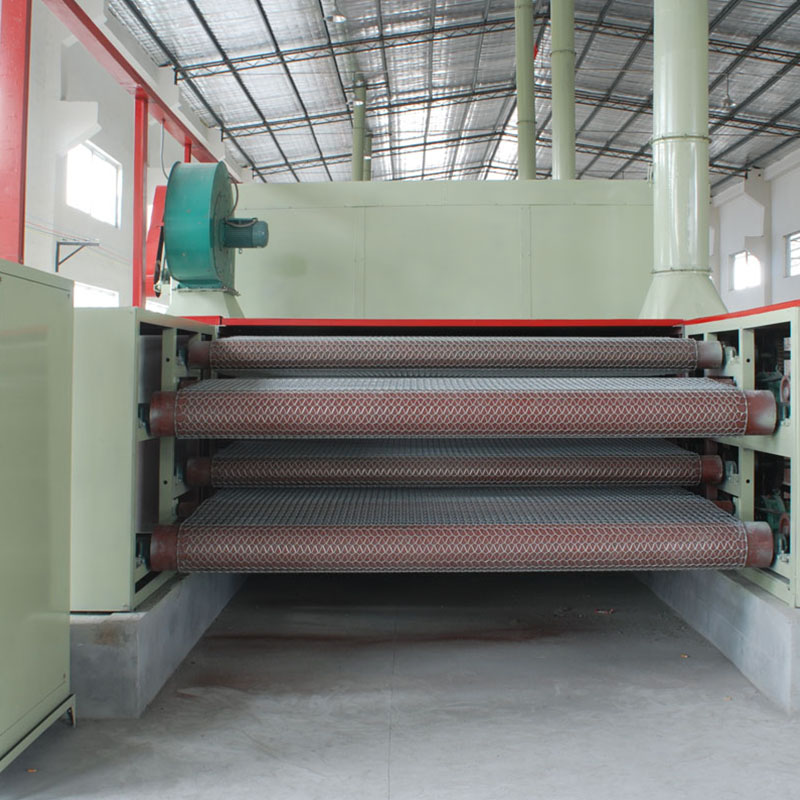
ម៉ាស៊ីនសម្ងួតសរសៃឈើ BG183 ពីរជាន់
ផលិតផលរបស់យើងគឺជាប្រភេទម៉ាស៊ីនសម្ងួតខ្សែក្រវ៉ាត់បាញ់បញ្ឈរដែលមានចរន្តឆ្លងកាត់ ដែលជាប្រភេទឧបករណ៍សម្ងួតជាបន្តបន្ទាប់។ ផលិតផលរបស់យើងអាចត្រូវបានប្រើសម្រាប់ដំណើរការសម្ងួតបន្ទះឈើខាងលើ និងខាងក្រោម ដែលអាចប្រើសម្រាប់ផលិតបន្ទះផ្សិតស្ថាបត្យកម្ម បន្ទះឈើ បន្ទះកម្រាល បន្ទះបាតកុងតឺន័រ និងផ្សេងៗទៀត។ មានលក្ខណៈតូចជាង និងប្រើប្រាស់បានច្រើនជាងមុន ដោយប្រើគុណសម្បត្តិនៃម៉ាស៊ីនសម្ងួតបន្ទះឈើទំនើបទាំងក្នុង និងក្រៅប្រទេស និងត្រូវបានរចនាឡើងសម្រាប់គោលបំណងសន្សំសំចៃ ភាពជឿជាក់ និងគុណភាពខ្ពស់ ផលិតផលរបស់យើងធានានូវការលើកកម្ពស់ទិន្នផល ការកែលម្អផលិតផល ការកាត់បន្ថយការប្រើប្រាស់ថាមពល និងថ្លៃដើមផលិតកម្ម ក៏ដូចជាការកើនឡើងនៃអត្ថប្រយោជន៍ដែលពេញចិត្ត។
ប្រភេទស្តង់ដាររួមមានផ្នែកកំដៅចំនួន 13 ផ្នែកត្រជាក់មួយ (ទៅខាងឆ្វេង) ហើយយើងអាចបន្ថែម ឬដកផ្នែកកំដៅត្រឹមត្រូវ និងកែតម្រូវប្រភេទក្បាល ដើម្បីបំពេញតម្រូវការផលិតកម្មរបស់អ្នក ទាក់ទងនឹងទិន្នផល ការរៀបចំ និងទីតាំង។ យើងនឹងខិតខំឱ្យអស់ពីសមត្ថភាពដើម្បីជួយអ្នកទទួលបានសមត្ថភាពផលិតច្រើនបំផុតជាមួយនឹងការវិនិយោគតិចបំផុត។