
TENTANG KAMI
Xiangying adalah produsen profesional pengering veneer dan peralatan kayu lapis.
Lahan kami seluas 18.000 m² mencakup bangunan seluas 15.000 m², yang mendukung pengembangan produk, manufaktur, dan layanan bagi pelanggan di Tiongkok dan luar negeri.
DAPATKAN PENAWARAN GRATIS
Eror: Formulir kontak tidak ditemukan.
-
Rumah

-
Blog
-
Berita Terkini
- 4-Foot vs. 8-Foot Glue Spreader for Plywood: How to Choose the Right Width
4-Foot vs. 8-Foot Glue Spreader for Plywood: How to Choose the Right Width
-
 admin
- 26,November
When buying a glue spreader for plywood, size it for the widest piece of veneer that will actually pass through the rollers. A 4-foot machine is a candidate when the production mix fits its usable coating width in the intended feed direction. An 8-foot machine is worth evaluating when wider sheets must enter without being turned or split. The dimensions of the finished panel are a starting point. The untrimmed veneer and how the line feeds it determine the working width you need.
Measure the Veneer That Will Enter the Glue Spreader
Start at the gluing station. The feeder sees the sheet that arrives from trimming, grading or composing, which may be a different size from the panel listed on the order. Record the actual dimensions and feeding direction for each product family the machine must handle.
Identify the Dimension Across the Rollers
For a rectangular sheet, width means the dimension perpendicular to travel. For example, a sheet that is 1,250 mm by 2,500 mm presents a different width when it feeds short edge first than when it feeds long edge first. Check the conveyor layout and the required grain direction in the layup before assuming the operator can turn the sheet. Turning it at the spreader only works if the line can deliver it to the next station in the required orientation.
Allow for Oversize Sheets and Feeding Variation
Measure stock at the condition in which it will be glued, including any allowance for later trimming. If the edges vary or the sheet runs slightly off centre, the usable coated area must still cover the required portion of the veneer. Ask how the supplier defines usable coating width, whether it differs from roller face length, and what feeding clearance the machine needs. A width label alone cannot settle a borderline fit.
Compare 4-Foot and 8-Foot Glue Spreaders Using the Same Sheet List
Use the measurements to compare both machines against the same production mix. Give the supplier the regular formats and the largest credible outlier, along with the orientation you intend to use. That makes it easier to distinguish an occasional special order from a width requirement that affects every shift.
Start With a 4-Foot Model for Narrower Feed Formats
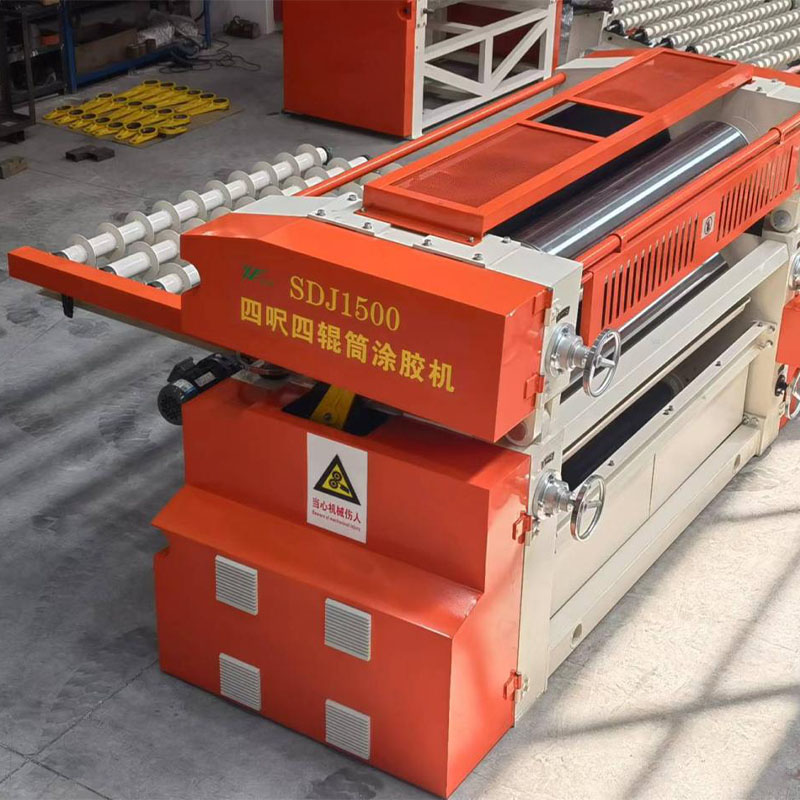
The SDJ1500 Alat Penyebar Lem Empat Rol Sepanjang 4 Kaki applies adhesive to core veneer. Evaluate it if all the sheets assigned to the station can pass through in the intended orientation with room for normal feeding variation. A mill that only occasionally handles a wider format can compare the cost and handling of a separate route for those sheets with the cost of installing a wider unit on the main line.
Evaluate an 8-Foot Model for Wider Veneer
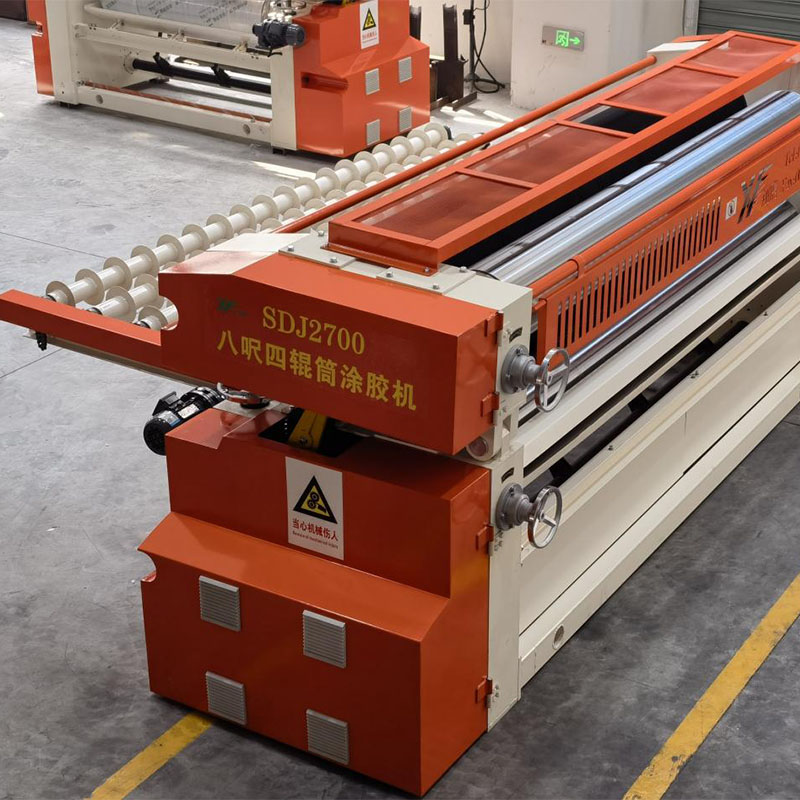
The SDJ2700 Alat Penyebar Lem Empat Rol Sepanjang 8 Kaki is the wider option in the same product family. Consider it when the veneer must span more of the rollers because of the sheet format or the feed direction required by the line. If the machine will also run narrow stock, include it in the trial. A successful run on the widest sheet does not establish how readily a team can return to its most common narrower format.
Check How the Selected Width Fits the Plywood Line
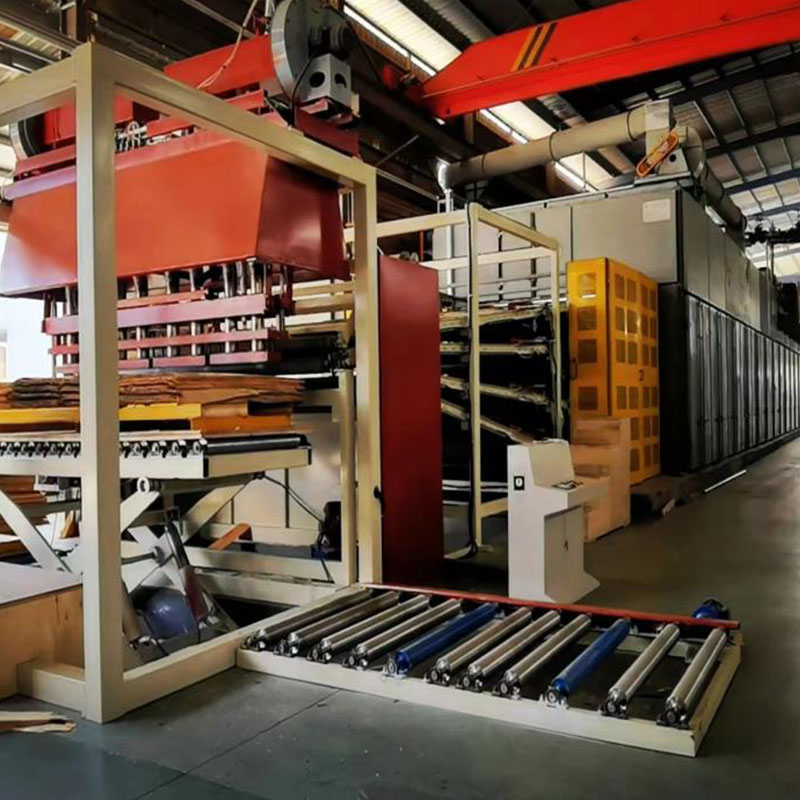
Once a machine can handle the sheet width, follow a sheet from infeed through discharge. Check that transfer tables and guides support it and that the outfeed can pass it toward layup without an extra turn or awkward handoff. Compare the installation drawings, including space to approach the machine for cleaning and roller service. A wider coating station solves little if an existing conveyor or aisle still constrains how material reaches it.
Also compare production rate at the station with what the layup crew can accept. Working width describes the sheet format the machine can accommodate. The practical rate for the line depends on feeding, coating and downstream handling. When comparing four-roller glue spreader configurations, check how the operator changes between the formats you run most often. A wider machine may fit every format on paper, yet frequent adjustments between short runs can still affect the amount of usable veneer the station delivers over a shift.
Verify Coverage and Handling in a Trial
Include a typical sheet, the widest sheet and any thin or irregular stock that routinely goes through the station. Agree on the adhesive, process settings and method for checking spread before the trial. Look at both edges and the centre of the sheet after coating. Full-width coverage on a single sample is helpful, but several consecutive sheets show whether the normal feed method can repeat the result.
If a sample misses glue at one edge, look for a pattern. A dry strip that moves when the sheet moves sideways calls for checking guidance or usable width. Streaks on a well-centred sample can be a coating or roller condition issue. Document where the problem occurs so the supplier can distinguish a size mismatch from a process adjustment.
For a mixed-format trial, run the wider sheet and then switch back to the narrower stock the way operators would during a regular shift. Record any changes to guides or coating settings and retain samples from both formats. This provides a basis for comparing how much setup work each option adds when the mill changes products.
Glue Spreader Selection Support From Xiangying
Xiangying manufactures four-roller glue spreaders for core veneer. To compare its two widths, start with your largest untrimmed sheet and its intended feeding direction. Ask for the usable coating width and installation dimensions for the proposed configuration. A photo or simple sketch of the infeed and layup stations helps explain whether the sheet must stay in the same orientation.
Conclusion
Choose the width that covers the veneer you actually feed, with room for normal handling variation. Confirm the choice on a representative trial and check the transfer to layup before purchase. This gives the mill a practical basis for choosing between 4-foot and 8-foot equipment.
FAQs
Can an 8-Foot Glue Spreader Run Narrower Sheets?
It may be suitable, depending on the machine configuration and how you guide the sheets. Include the narrowest regular format in the trial and check coverage after changing formats.
Should the Purchase Specification Use Inches or Millimetres?
Either unit works. Use the same unit throughout the RFQ and state which dimension runs across the rollers. Ask the supplier to confirm the usable width in that unit.
Does Choosing a Wider Glue Spreader Reduce Glue Consumption?
Width determines the format the machine can handle. To assess consumption, compare the applied glue mass per unit area for the same veneer and adhesive under comparable operating conditions.




Produk Terkait
Produk Terlaris
Pengering Veneer Kombinasi Rol Jala Tiga Tingkat BG1933B
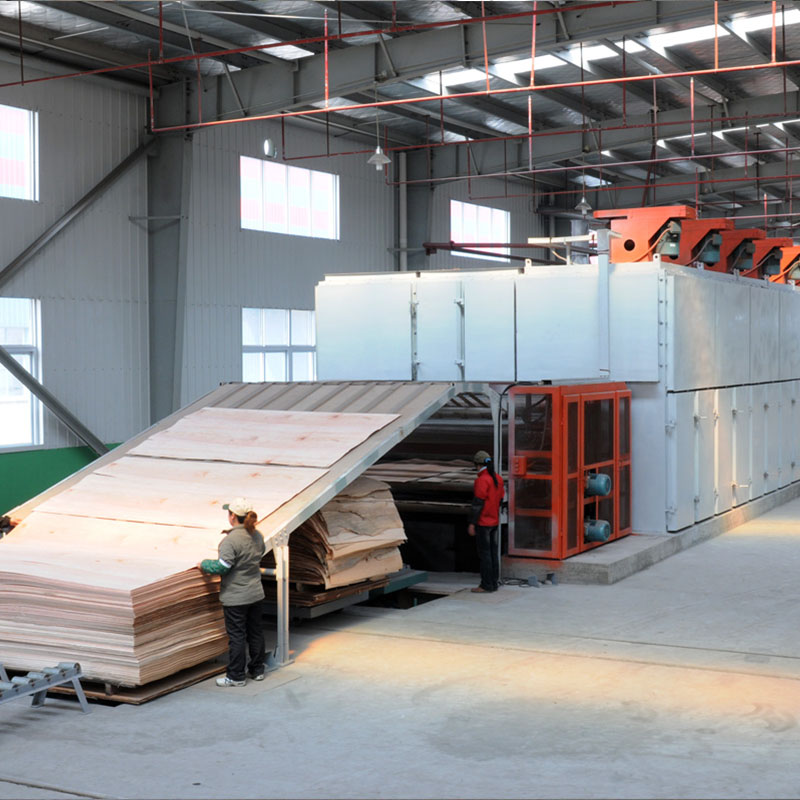
Produk kami adalah sejenis pengering rol jaring sirkulasi melintang konveyor lurus, yang dilengkapi dengan struktur jaring dan rol. Pengering veneer rol jaring memiliki dua jenis lapisan jaring dan rol; dapat digunakan untuk mengeringkan pelat muka dan pelat inti tebal secara bersamaan. Keunggulannya adalah membutuhkan ruang lahan yang lebih sedikit dan dapat digunakan untuk berbagai keperluan.
Produk kami adalah sejenis pengering rol jaring sirkulasi melintang konveyor lurus, yang menggabungkan keunggulan pengering Eropa. Pengering ini menggunakan kipas sentrifugal yang dilengkapi di samping (aliran udara 62 ribu m³/jam). Penukar panas baru dan kotak semprot penampang variabel persegi panjang membuat permukaan veneer seragam untuk udara pemanas. Kipas bagian pemanas di area depan dan belakang dilengkapi di sisi kiri dan kanan, sehingga veneer memiliki kelembapan akhir yang sama setelah dikeringkan. Selain itu, untuk kondisi iklim lembap, pengering ini menambahkan bagian terbuka pendingin yang panjang, yang menguntungkan pendinginan veneer karena mencegahnya menjadi lembap.
Sistem pemanas pengering menggunakan boiler uap atau minyak. Jika menggunakan boiler minyak, perlu diperhatikan keamanan sistemnya; tabung sistem pemanas dan penukar panas harus menghindari endapan karbon dan kecelakaan kebakaran. Jangan sampai air, zat asam, dan bahan dengan titik didih rendah masuk ke dalam sistem.
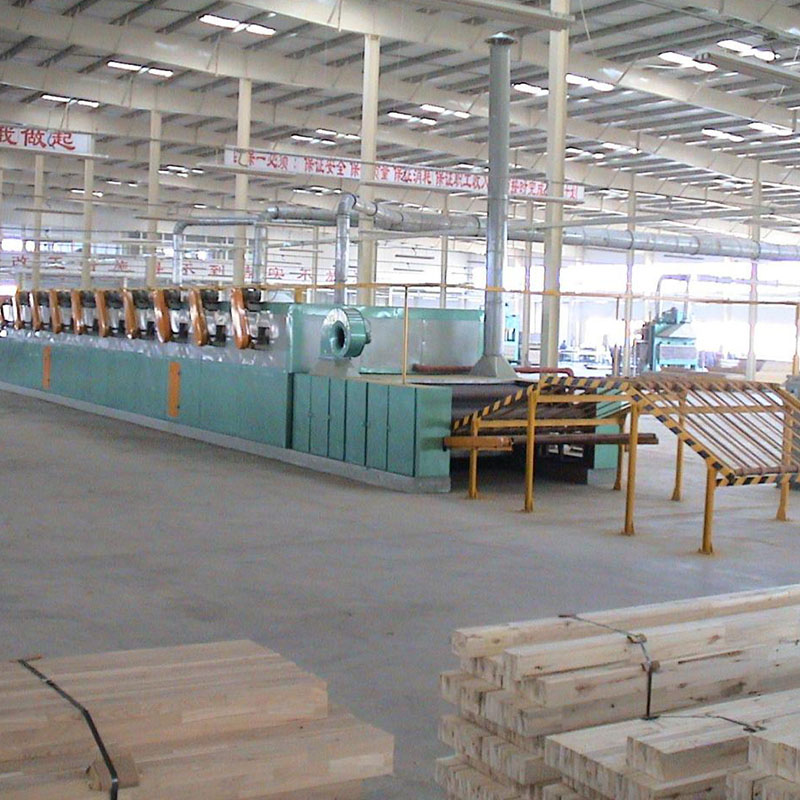
Pengering Veneer Kombinasi Rol Jala Dua Tingkat BG1932
Pengering veneer rol jaring 2 lapis BG1932 memiliki dua jenis lapisan jaring dan rol; dapat digunakan untuk mengeringkan pelat muka dan pelat inti tebal secara bersamaan. Keunggulannya adalah membutuhkan ruang yang lebih sedikit dan dapat digunakan untuk berbagai keperluan.
Mesin pengering rol jaring BG1932 dirancang berdasarkan prinsip struktur unit, tipe standarnya adalah 10 bagian. Luas standar untuk satu bagian pengering adalah 2 meter persegi, terdiri dari satu bagian ruang pendingin, satu sistem penggerak, meja rol masukan, dan meja rol keluaran. Pelanggan dapat memilih jumlah bagian mesin pengering sesuai kebutuhan (5 bagian hingga 15 bagian).
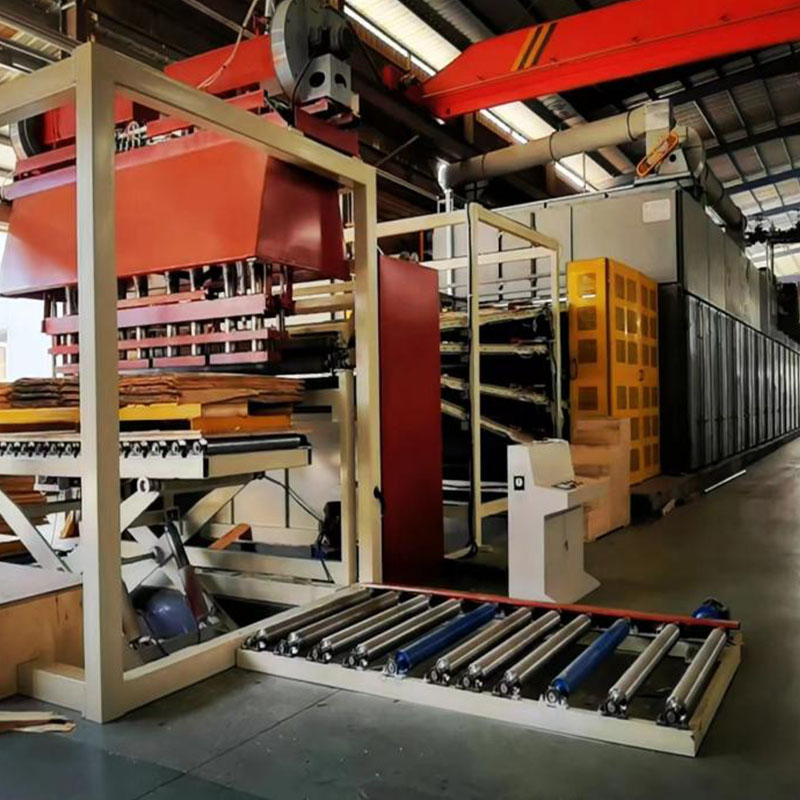
Pengering Veneer Rol Empat Tingkat BG1334
Pengering veneer rol jetting 4 dek BG1334 terdiri dari sistem konveyor, bagian pemanas, sistem uap, bagian pendingin, sistem pembuangan, dan sistem rol input & output. Bagian pemanas terdiri dari dua bagian, bagian depan dan belakang, dengan kipas pemanas yang dipasang di kedua sisi untuk memastikan kelembapan akhir yang konsisten di setiap titik.
Dalam proses pemanasan, udara dikompresi ke dalam pemanas oleh kipas sentrifugal tegak untuk pemanasan, dan kemudian dikompresi ke dalam bellow penyemprot. Setelah itu, udara panas disemprotkan ke veneer yang diangkut di antara rol untuk pengeringan. Udara lembap panas kemudian ditarik kembali ke kipas sentrifugal untuk penggunaan sirkular. Sebagian udara lembap panas dibuang melalui sistem pembuangan untuk diganti dengan udara segar agar kelembapan udara tetap terjaga. Proses ini menyesuaikan dengan kondisi teknologi: pertama, pemotongan; kedua, pengeringan. Proses ini terutama digunakan untuk mengeringkan papan inti veneer. Orientasi serat veneer kering sama dengan veneer masukan, dan lebarnya harus lebih dari 350 mm, atau akan terjadi fenomena penumpukan veneer.
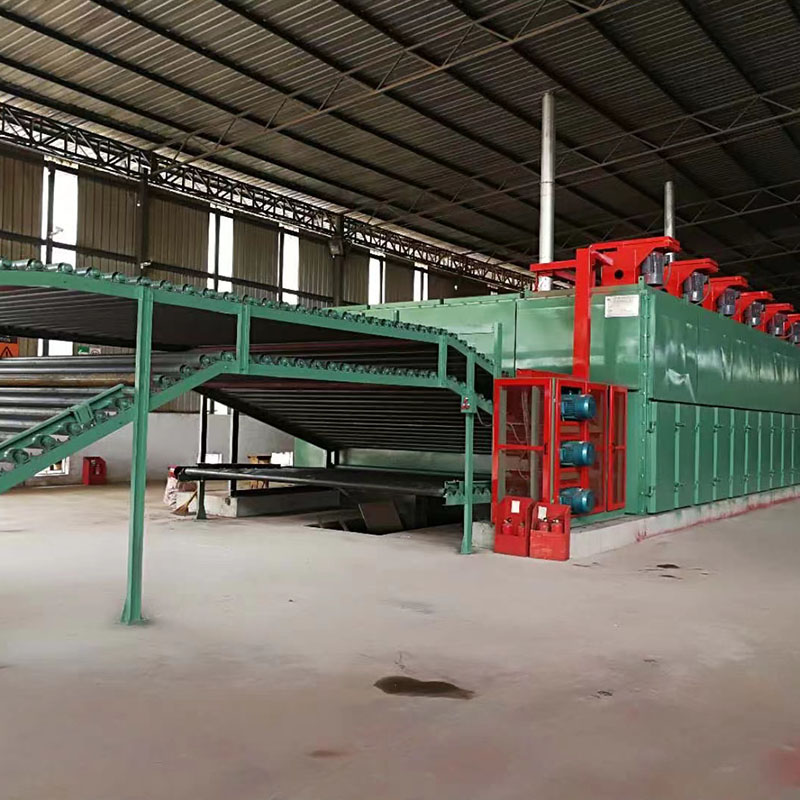
Pengering Veneer Rol Tiga Tingkat BG1333
Pengering veneer rol jetting 3 dek BG1333 terdiri dari sistem konveyor, bagian pemanas, sistem uap, bagian pendingin, sistem pembuangan, dan sistem rol input & output. Bagian pemanas terdiri dari dua bagian, bagian depan dan belakang, dengan kipas pemanas yang dipasang di kedua sisi untuk memastikan kelembapan akhir yang konsisten di setiap titik.
Dalam proses pemanasan, udara dikompresi ke dalam pemanas oleh kipas sentrifugal tegak untuk pemanasan, dan kemudian dikompresi ke dalam bellow penyemprot. Setelah itu, udara panas disemprotkan ke veneer yang diangkut di antara rol untuk pengeringan. Udara lembap panas kemudian ditarik kembali ke kipas sentrifugal untuk penggunaan sirkular. Sebagian udara lembap panas dibuang melalui sistem pembuangan untuk diganti dengan udara segar agar kelembapan udara tetap terjaga.
Prosesnya disesuaikan dengan kondisi teknologi: pertama, pemotongan; kedua, pengeringan. Terutama digunakan untuk mengeringkan papan inti veneer. Orientasi serat veneer kering sama dengan veneer yang dimasukkan, dan lebarnya harus lebih dari 350 mm, jika tidak akan terjadi fenomena penumpukan veneer.
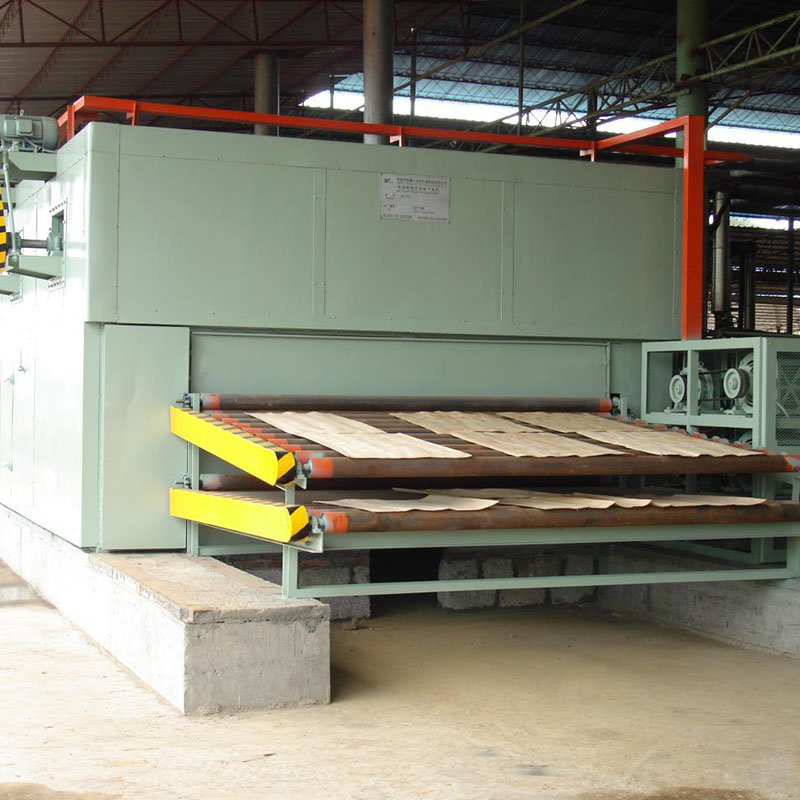
Pengering Veneer Rol Dua Tingkat BG1332
Pengering veneer rol jetting 2 dek BG1332 adalah peralatan utama dalam produksi veneer. Alat ini beradaptasi dengan kondisi teknologi: pertama, potong, kedua, keringkan. Alat ini terutama digunakan untuk mengeringkan papan inti veneer. Orientasi serat veneer kering sama dengan veneer masukan, dan lebarnya harus lebih dari 350 mm, jika tidak akan terjadi fenomena veneer yang menggumpal. Terdapat ventilator di setiap unit area pengeringan; alat ini menggunakan metode jetting sirkulasi melintang lurus, yang memungkinkan panas masuk dan mengeluarkan kelembapan (basah), sehingga mempercepat proses pengeringan. Selain itu, alat ini membuat veneer kering secara proporsional, mengurangi lengkungan akibat kelembapan. Produk ini memiliki beberapa keunggulan: perawatan mudah, aman dan andal, dan sebagainya. Oleh karena itu, ini adalah produk yang sempurna untuk mengeringkan veneer tebal dalam proses produksi veneer.
Pengering Veneer Sabuk Jala Dua Tingkat BG183
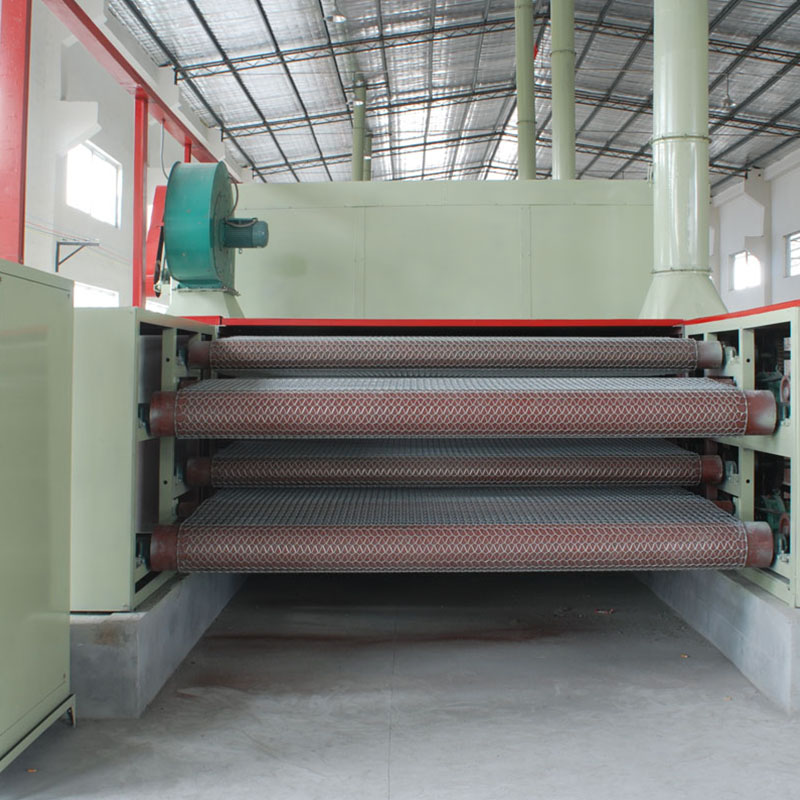
Produk kami adalah sejenis pengering sabuk jet vertikal sirkulasi melintang, yaitu sejenis peralatan pengeringan kontinu. Produk kami dapat diaplikasikan untuk proses pengeringan veneer atas dan bawah, yang dapat digunakan untuk memproduksi papan cetakan arsitektur, papan kayu, papan lantai, papan dasar kontainer, dan sebagainya. Dengan fitur lahan yang lebih kecil dan penggunaan yang lebih luas, serta memanfaatkan keunggulan pengering veneer canggih di dalam dan luar negeri, dan dirancang untuk tujuan ekonomis, andal, dan bermutu tinggi, produk kami menjamin peningkatan hasil produksi, peningkatan kualitas produk, pengurangan konsumsi energi dan biaya produksi, serta peningkatan keuntungan yang memuaskan.
Tipe standar mencakup 13 bagian pemanas, satu bagian pendingin (sebelah kiri), dan kami dapat menambah atau mengurangi bagian pemanas yang sesuai serta menyesuaikan tipe header untuk memenuhi kebutuhan produksi Anda, terkait hasil, pengaturan, dan lokasi. Kami akan melakukan yang terbaik untuk membantu Anda mendapatkan kemampuan produksi maksimal dengan investasi minimal.