Uneven Moisture After Veneer Drying: Causes and Troubleshooting

VỀ CHÚNG TÔI
Xiangying là nhà sản xuất chuyên nghiệp các loại máy sấy ván lạng và thiết bị sản xuất ván ép.
Khuôn viên rộng 18.000 m² của chúng tôi bao gồm 15.000 m² nhà xưởng, hỗ trợ phát triển sản phẩm, sản xuất và dịch vụ cho khách hàng trong và ngoài Trung Quốc.
NHẬN BÁO GIÁ MIỄN PHÍ
Lỗi: Không tìm thấy biểu mẫu liên hệ.
-
Trang chủ

-
Blog
-
Tin tức cập nhật
- Uneven Moisture After Veneer Drying: Causes and Troubleshooting
Uneven Moisture After Veneer Drying: Causes and Troubleshooting
-
 quản trị viên
- 19,Tháng 11
Uneven moisture after veneer drying means that sheets, or different areas of one sheet, leave the dryer at different moisture contents. The cause may be in the incoming veneer, the drying conditions or the way moisture is measured. Raising the temperature before identifying the pattern can leave the wetter material unresolved while overdrying sheets that were already acceptable.
For a plywood mill, the useful starting point is a record of where and when the variation appears. That record helps the production team decide whether to sort the material, inspect the dryer or revise its operating settings.
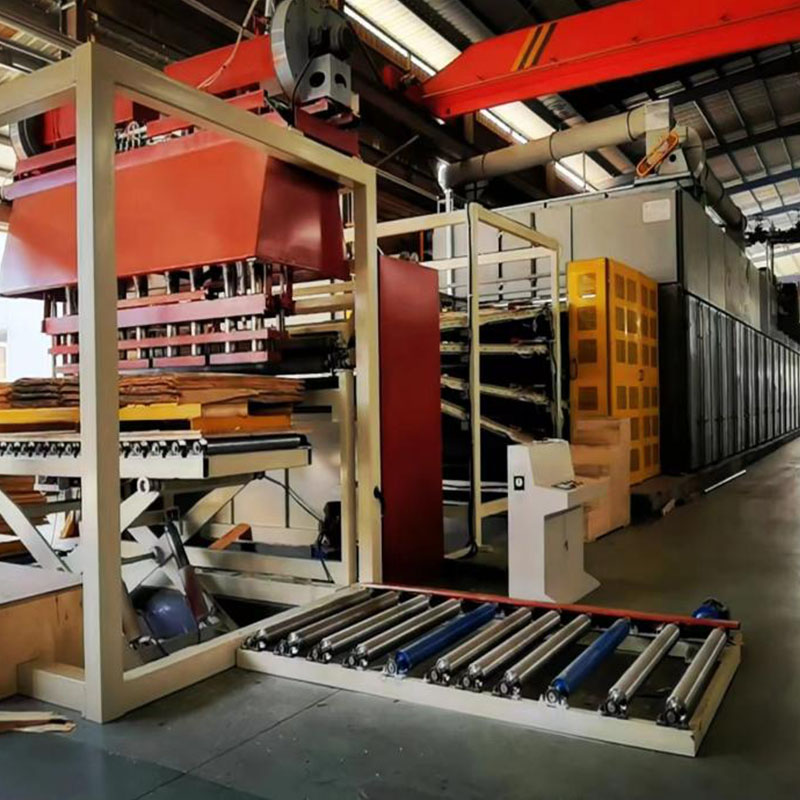
Confirm Where the Moisture Variation Occurs
An average moisture reading can hide a wet edge or a small group of wet sheets. Establish the acceptable range for the adhesive and production process, then compare individual readings against that range.
Compare Measurements Across Sheets and Dryer Decks
Use a repeatable sampling pattern across the sheet, including its edges and centre. Label readings by deck, feeding position, material batch and collection time. Follow the meter manufacturer's instructions for veneer thickness, species settings and any temperature correction. Readings taken using different methods are difficult to compare.
A wet band repeatedly appearing in the same feeding lane suggests a local condition worth investigating. Scattered wet sheets may instead reflect differences in incoming material. These patterns narrow the search; neither proves the cause by itself. Keep the observations alongside the mill's routine veneer drying checks.
Separate Uneven Drying from Moisture Regain
Compare results after cooling with readings taken before gluing, using comparable measurement conditions. If the veneer meets the agreed range after drying but changes during storage, inspect the storage environment and handling interval. A later moisture problem should not automatically trigger a hotter dryer setting.
Check Incoming Veneer Before Changing Dryer Settings
Once the variation is mapped, compare the affected sheets with the material entering the line. Species, thickness and initial moisture influence how much drying a sheet needs. Two sheets that look similar can require different residence times.
Check actual thickness rather than relying entirely on the nominal peeling setting. Where incoming moisture varies widely, trial a more consistent material group through the existing process. If its outlet readings become more consistent, improve sorting before making broad equipment adjustments.
Keep feeding reasonably steady during the comparison. Results from a lightly loaded start-up period may differ from those under sustained production. Record interruptions and loading changes so they are not mistaken for an unexplained machine fault.
Inspect Airflow, Heat Supply and Exhaust
If variation persists with comparable incoming veneer, use its location to guide the equipment inspection. Complete internal cleaning and mechanical checks only after the machine has been stopped, isolated and made safe under its operating procedures.
Trace Wet Areas to Air Distribution
Hot air must reach the veneer across the working width. Debris in jet boxes or heat exchangers can restrict circulation. A fan problem may also leave one area receiving different drying conditions from another.
For example, the Máy sấy ván lạng bốn tầng BG1334 uses circulating hot air delivered through jetting bellows, with heating fans arranged on both sides of its front and rear heating areas. A recurring wet lane therefore warrants checking the relevant air path and fan operation, rather than assuming every deck needs a higher temperature.
Check Heat Transfer and Moisture Removal
When several decks become wetter at the same time, compare the production record with heat-supply conditions. On a steam-heated machine, reduced supply pressure or poor condensate discharge can reduce heating performance. Dirty heat-exchanger surfaces also deserve attention.
Exhaust settings affect the removal of moist air and the demand for replacement air. Opening exhaust further without checking the rest of the system may increase heat loss. Inspect the exhaust path and controls against the equipment specification. Xiangying's roller veneer dryer troubleshooting guide identifies heat-supply, fan, heater-cleanliness and exhaust faults as inspection points.
Adjust Line Speed and Verify the Next Batch
After correcting identified faults, review residence time using a consistent veneer group. Slower conveying gives material more time inside the heating sections, but it does not correct a blocked air path. It may also dry the acceptable sheets further.
Change one operating setting at a time within the manufacturer's limits. Record the change and allow the affected material to travel through the dryer before judging the result. Repeated adjustments based on sheets that entered under earlier settings can make the process harder to control.
Repeat the original sampling pattern under a comparable load. Check the range of readings, the number of sheets outside the agreed limits and visible damage. A lower average is not sufficient if wet areas remain or splitting increases. Retain the successful settings with the material conditions to which they apply.
For a hypothetical trial, suppose wet readings repeatedly occur on the left side of one deck. After an air-path obstruction is removed, sample that position again along with the centre and right side. Keep the incoming veneer group and conveying speed comparable. If the left-side readings improve while the other positions remain acceptable, the result supports the repair. If the pattern returns with a different material batch, compare its incoming condition before repeating the same adjustment. This is a way to test a suspected cause, rather than evidence that every wet lane has an airflow fault.
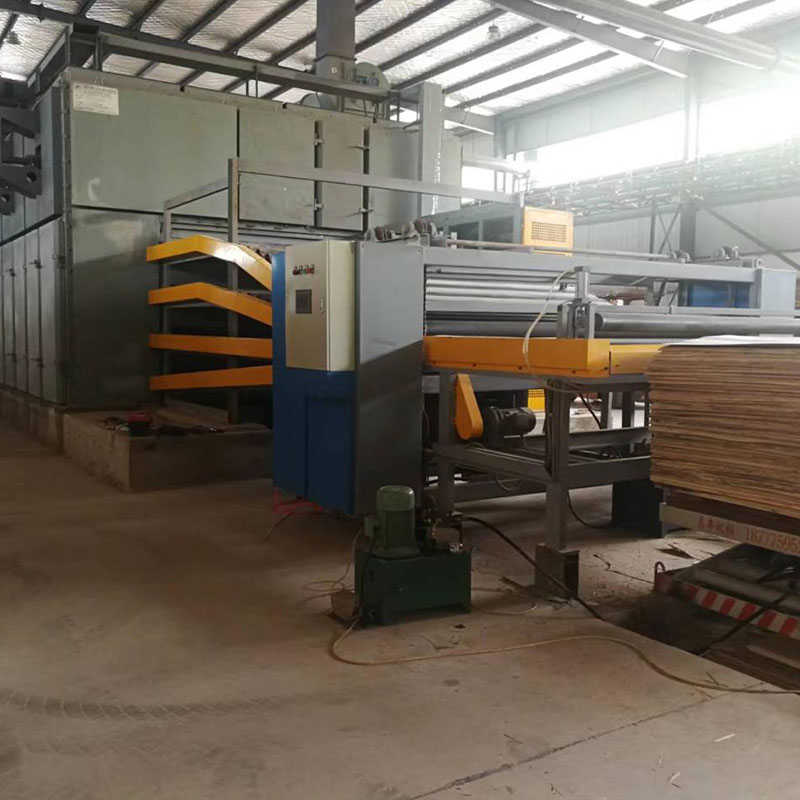
Veneer Drying Troubleshooting Support from Xiangying
Xiangying manufactures mesh belt, roller and combined veneer dryers. Its published troubleshooting information covers heating, airflow, conveying and cooling faults.
If the cause remains unclear, contact the team for help identifying the next inspection steps. A machine model and a brief description of the moisture pattern are useful starting points. Available operating records, photographs or video can help explain what changed and where the problem occurs.
Conclusion
Investigate uneven veneer moisture by locating the variation first. Compare incoming material, inspect the relevant air and heating systems, then verify any setting change with consistent measurements. This sequence gives the mill a clearer basis for adjustment than responding to every wet sheet with more heat or a slower line.
FAQs
Can Touch or Colour Confirm That Veneer Is Dry Enough?
No. Appearance and touch can flag a concern, but acceptance should rely on an appropriate moisture measurement method. The required moisture range comes from the adhesive and manufacturing process.
Should Wet Veneer Always Go Through the Dryer Again?
No. Segregate it and confirm its moisture before deciding on re-drying. Use an approved procedure for that material; another pass can overdry areas that already meet the requirement.
Does Moisture Variation Mean the Dryer Needs Replacing?
No. Review material variation, maintenance and operating records first. Equipment modification or replacement becomes a separate assessment when the required duty cannot be met under verified operating conditions.

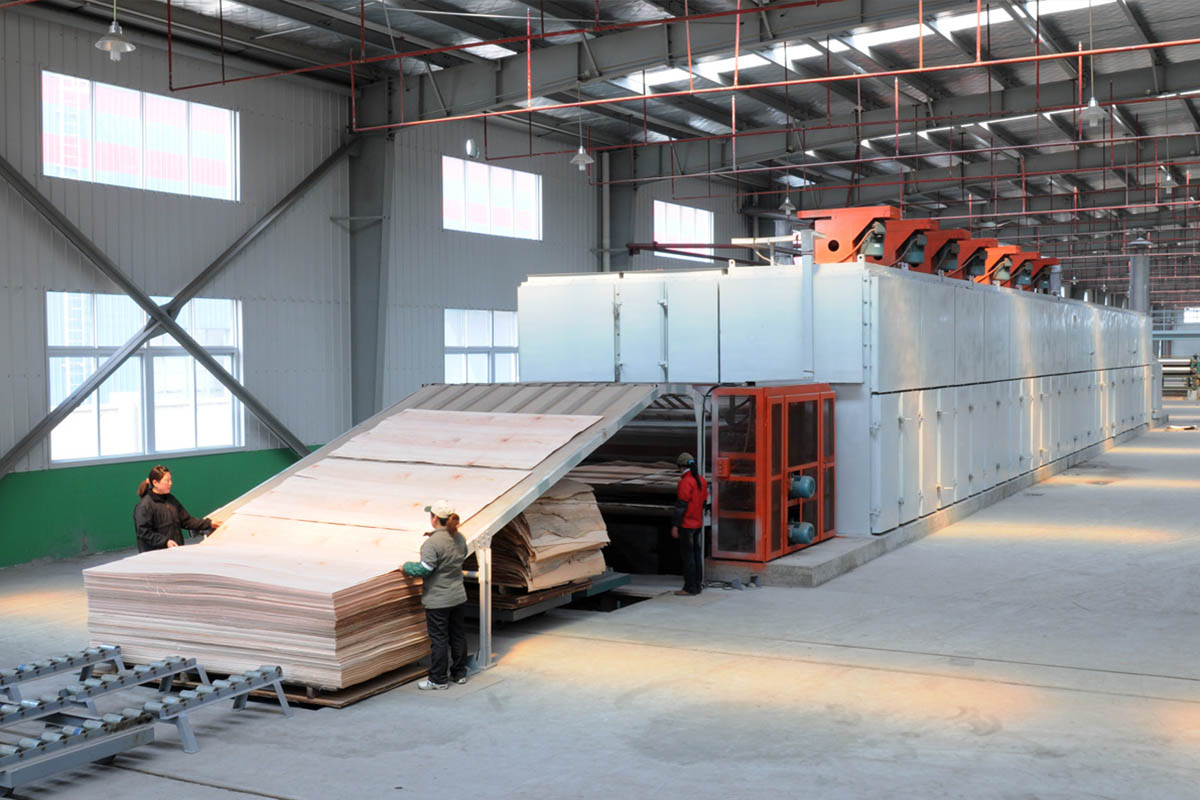
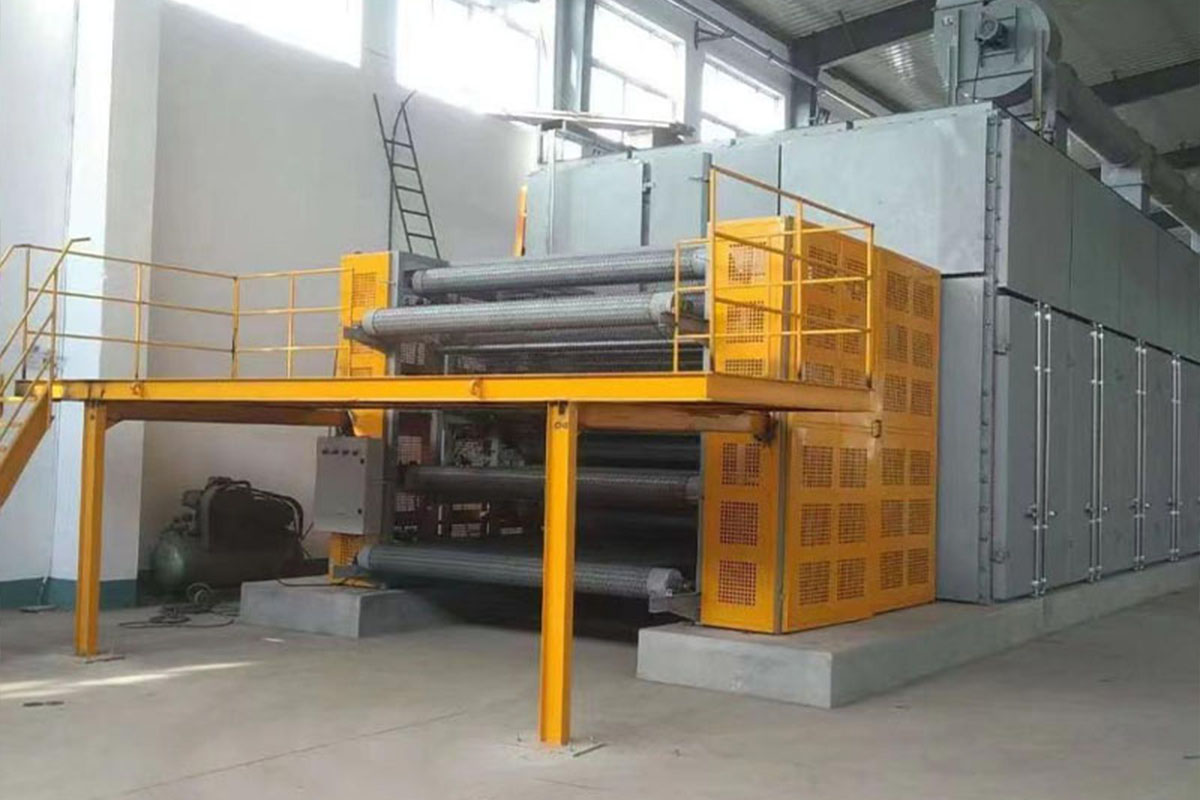
Sản phẩm liên quan
Sản phẩm bán chạy nhất
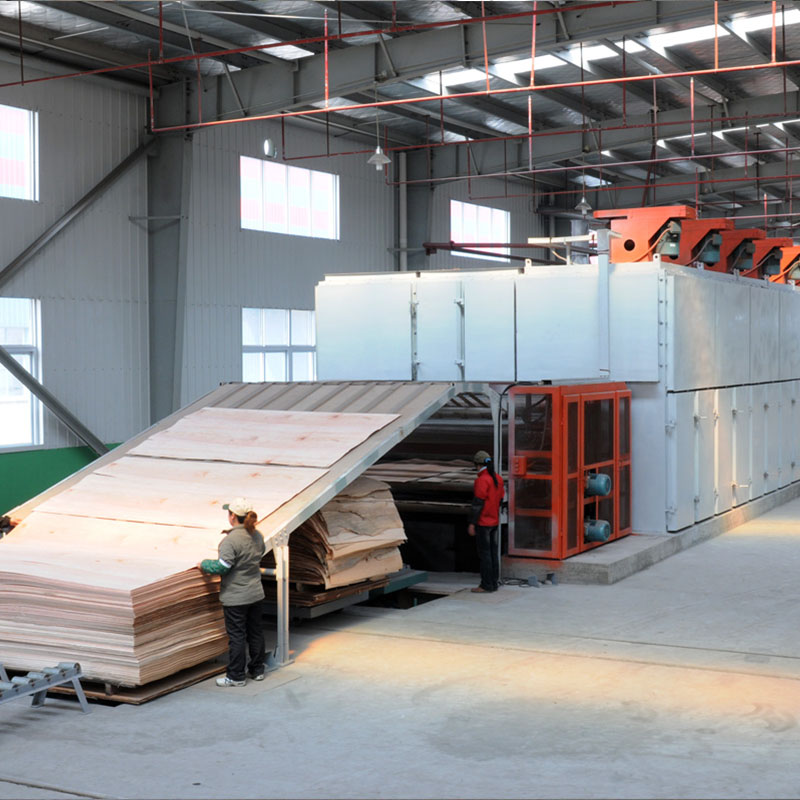
Máy sấy ván lạng kết hợp lưới-con lăn ba tầng BG1933B
Sản phẩm của chúng tôi là một loại máy sấy lưới con lăn tuần hoàn ngang, vận chuyển thẳng, được trang bị cả cấu trúc lưới và con lăn. Máy sấy ván ép lưới con lăn có hai lớp lưới và con lăn; nó có thể sấy đồng thời ván mặt và ván lõi dày. Nó có ưu điểm là chiếm ít diện tích mặt bằng và có thể sử dụng nhiều chức năng trong một máy.
Sản phẩm của chúng tôi là một loại máy sấy lưới con lăn ngang tuần hoàn thẳng, kết hợp những ưu điểm của máy sấy châu Âu. Máy sử dụng quạt ly tâm gắn bên hông (lưu lượng khí 62 nghìn m³/h). Bộ trao đổi nhiệt mới và hộp phun hình chữ nhật có tiết diện thay đổi giúp đảm bảo độ đồng đều bề mặt ván lạng khi gia nhiệt. Quạt gia nhiệt ở khu vực phía trước và phía sau được bố trí đối xứng, giúp ván lạng đạt độ ẩm đồng đều sau khi sấy. Ngoài ra, để phù hợp với điều kiện khí hậu ẩm ướt, máy sấy còn bổ sung thêm các đoạn mở làm mát, giúp làm mát ván lạng và tránh bị ẩm.
Hệ thống gia nhiệt của máy sấy sử dụng nồi hơi nước hoặc dầu. Khi sử dụng nồi hơi dầu, cần phải nắm rõ các quy định an toàn hệ thống, đảm bảo các ống dẫn nhiệt và bộ trao đổi nhiệt không bị đóng cặn carbon và tránh nguy cơ cháy nổ. Không được để nước, chất có tính axit và các chất có điểm sôi thấp lọt vào hệ thống.
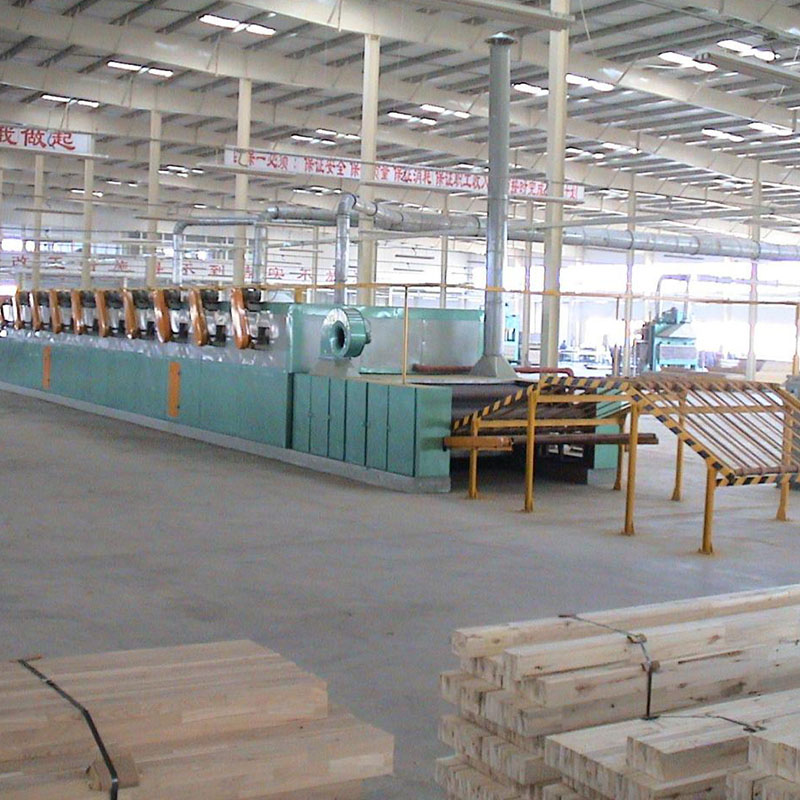
Máy sấy ván lạng kết hợp lưới-con lăn hai tầng BG1932
Máy sấy ván lạng lưới-con lăn 2 lớp BG1932 có hai lớp lưới và con lăn; máy có thể sấy đồng thời ván mặt và ván lõi dày. Máy có ưu điểm là chiếm ít diện tích và đa chức năng.
Máy sấy lưới cuộn BG1932 được thiết kế theo nguyên tắc cấu trúc khối, loại tiêu chuẩn gồm 10 đoạn. Mỗi đoạn có chiều dài tiêu chuẩn 2 mét cho khu vực sấy, một buồng làm mát, một hệ thống truyền động, bàn cuộn đầu vào và bàn cuộn đầu ra. Khách hàng có thể lựa chọn số đoạn của máy sấy theo nhu cầu (từ 5 đến 15 đoạn).
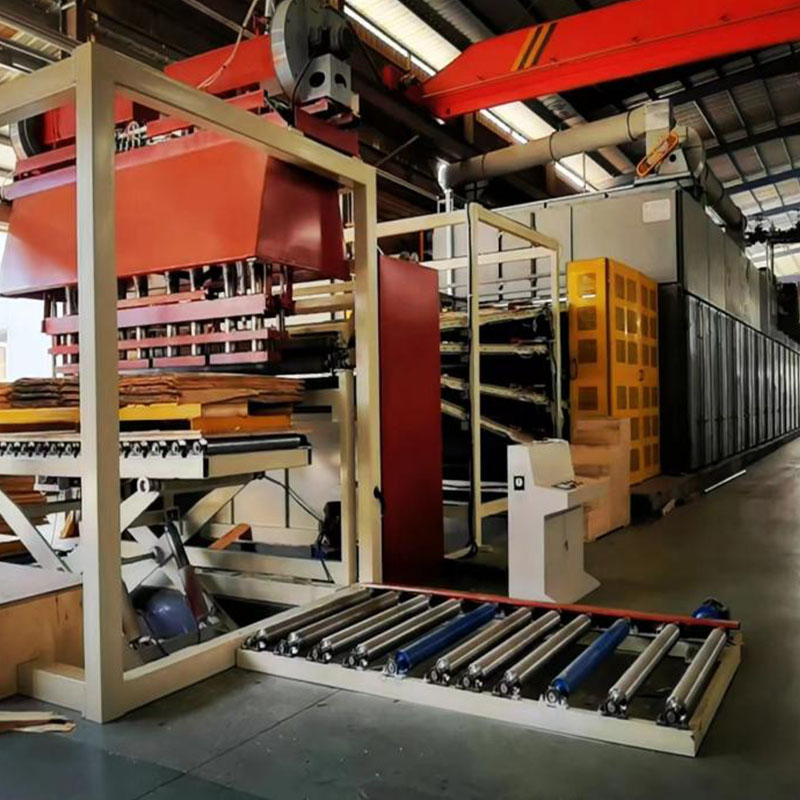
Máy sấy ván lạng bốn tầng BG1334
Máy sấy ván lạng 4 tầng BG1334 bao gồm hệ thống băng tải, bộ phận gia nhiệt, hệ thống hơi nước, bộ phận làm mát, hệ thống hút khí và hệ thống con lăn đầu vào & đầu ra. Bộ phận gia nhiệt gồm hai phần, phần trước và phần sau, với quạt gia nhiệt được đặt ở cả hai bên để đảm bảo độ ẩm cuối cùng đồng đều ở mỗi điểm.
Trong quá trình gia nhiệt, không khí được nén vào bộ gia nhiệt bằng quạt ly tâm thẳng đứng để làm nóng, sau đó được nén vào ống thổi khí. Sau đó, không khí nóng được thổi lên các tấm ván lạng được vận chuyển giữa các con lăn để sấy khô. Không khí nóng ẩm sau đó lại được hút vào quạt ly tâm để sử dụng tuần hoàn. Một phần không khí nóng ẩm được thải ra ngoài qua hệ thống hút khí để thay thế bằng không khí tươi nhằm duy trì độ ẩm không khí thích hợp. Quá trình này tuân theo các điều kiện công nghệ: đầu tiên là cắt; thứ hai là sấy khô. Chủ yếu sử dụng ván lạng lõi để sấy khô. Hướng sắp xếp của ván lạng khô phải giống với ván lạng đầu vào, và chiều rộng phải lớn hơn 350mm, nếu không sẽ xảy ra hiện tượng ván lạng bị dính vào nhau.
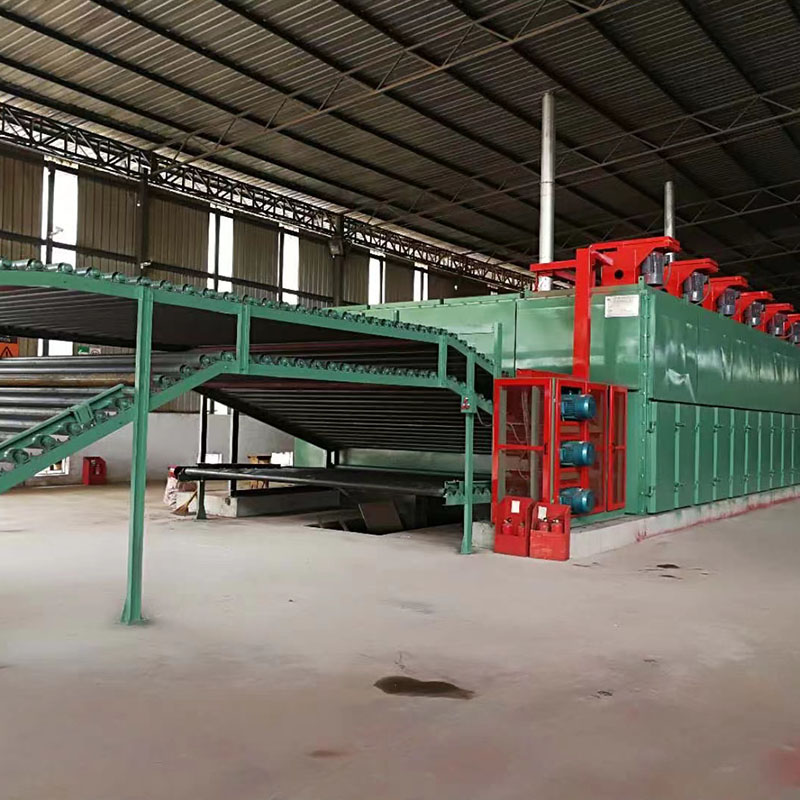
Máy sấy ván lạng ba tầng BG1333
Máy sấy ván lạng BG1333 3 tầng dạng con lăn phun bao gồm hệ thống băng tải, bộ phận gia nhiệt, hệ thống hơi nước, bộ phận làm mát, hệ thống hút khí và hệ thống con lăn đầu vào & đầu ra. Bộ phận gia nhiệt gồm hai phần, phần trước và phần sau, với quạt gia nhiệt được đặt ở cả hai bên để đảm bảo độ ẩm cuối cùng đồng đều ở mỗi điểm.
Trong quá trình gia nhiệt, không khí được nén vào các bộ gia nhiệt bằng quạt ly tâm thẳng đứng để làm nóng, sau đó được nén vào các ống thổi khí. Sau đó, không khí nóng được thổi lên các tấm ván mỏng được vận chuyển giữa các con lăn để sấy khô. Không khí nóng ẩm sau đó lại được hút vào các quạt ly tâm để sử dụng tuần hoàn. Một phần không khí nóng ẩm được thải ra ngoài qua hệ thống hút khí để thay thế bằng không khí trong lành nhằm duy trì độ ẩm không khí thích hợp.
Nó thích ứng với các điều kiện công nghệ: đầu tiên là cắt; thứ hai là sấy khô. Chủ yếu sử dụng ván lõi sấy khô cho ván lạng. Hướng thớ của ván lạng khô phải giống với ván lạng đầu vào, và chiều rộng phải lớn hơn 350mm, nếu không sẽ xảy ra hiện tượng ván lạng bị vón cục.
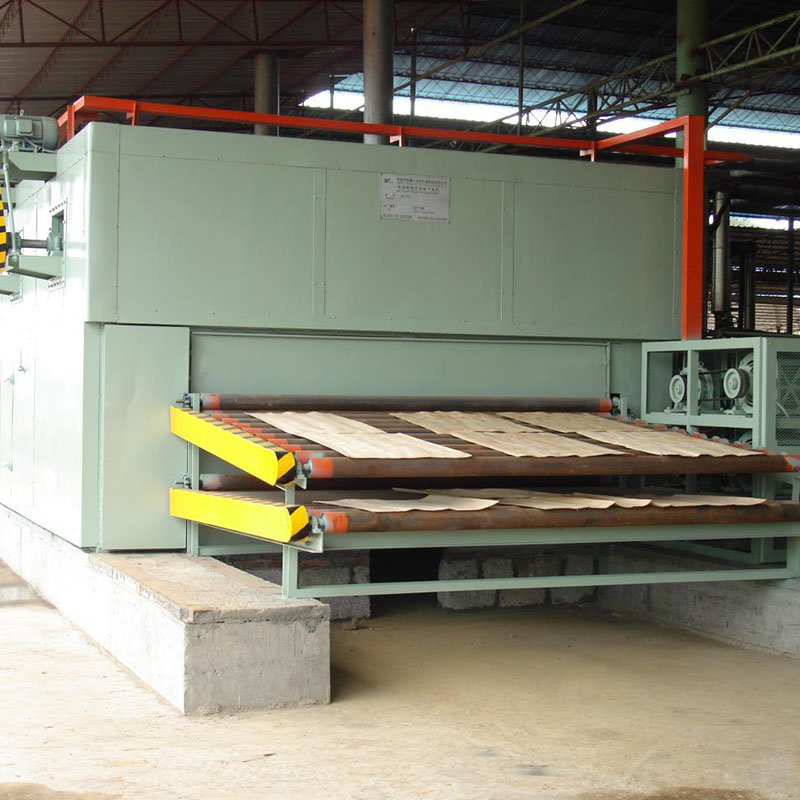
Máy sấy ván lạng hai tầng BG1332
Máy sấy ván lạng con lăn phun khí 2 tầng BG1332 là thiết bị chính trong sản xuất ván lạng. Nó thích ứng với các điều kiện công nghệ: trước tiên là cắt, sau đó là sấy. Máy chủ yếu dùng để sấy ván lõi của ván lạng. Hướng thớ của ván lạng khô phải giống với ván lạng đầu vào, và chiều rộng phải lớn hơn 350mm, nếu không sẽ xảy ra hiện tượng ván lạng bị vón cục. Mỗi khu vực sấy đều có quạt thông gió; máy sử dụng phương pháp phun khí tuần hoàn ngang thẳng, giúp đưa nhiệt vào và thoát hơi ẩm (ướt), đẩy nhanh tốc độ sấy. Đồng thời, nó giúp ván lạng khô đều, giảm hiện tượng cong vênh do độ ẩm. Sản phẩm có một số ưu điểm: dễ bảo trì, đáng tin cậy và an toàn, v.v. Vì vậy, đây là sản phẩm hoàn hảo để sấy ván lạng dày trong quy trình sản xuất ván lạng.
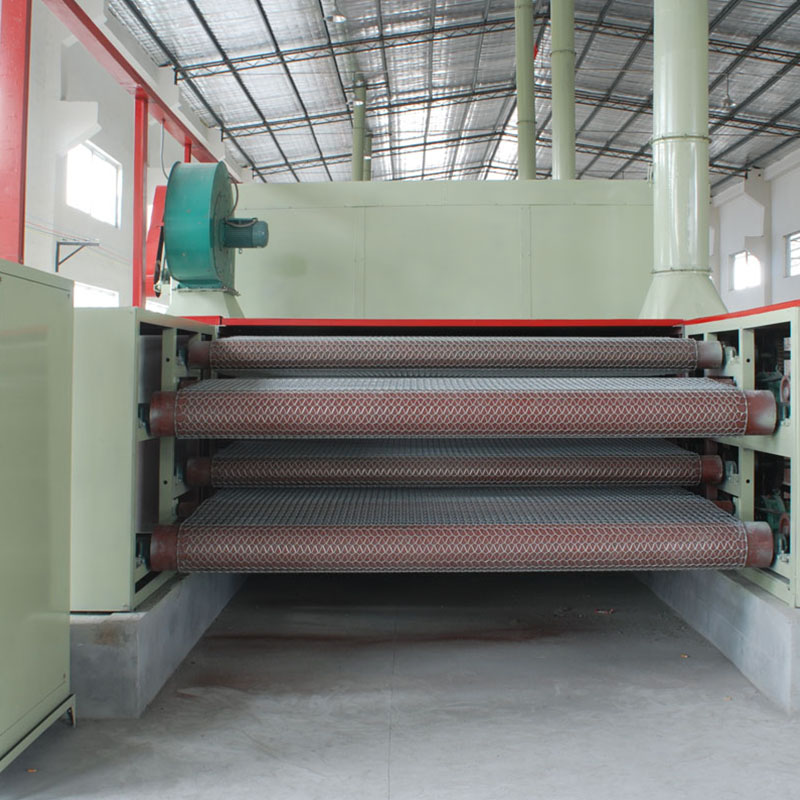
Máy sấy ván lạng băng tải lưới hai tầng BG183
Sản phẩm của chúng tôi là một loại máy sấy băng tải phun thẳng đứng tuần hoàn ngang, một loại thiết bị sấy liên tục. Sản phẩm của chúng tôi có thể được ứng dụng trong quá trình sấy ván lạng trên và dưới, dùng để sản xuất ván khuôn kiến trúc, ván mộc, ván sàn, ván đáy container, v.v. Với đặc điểm chiếm ít diện tích nhưng hiệu quả sử dụng cao, kết hợp những ưu điểm của các máy sấy ván lạng tiên tiến trong và ngoài nước, và được thiết kế với mục đích tiết kiệm chi phí, độ tin cậy và chất lượng cao, sản phẩm của chúng tôi đảm bảo tăng năng suất, cải thiện chất lượng sản phẩm, giảm tiêu thụ năng lượng và chi phí sản xuất, cũng như mang lại lợi nhuận gia tăng đáng kể.
Loại tiêu chuẩn bao gồm 13 khoang gia nhiệt, một khoang làm mát (bên trái), và chúng tôi có thể thêm hoặc bớt các khoang gia nhiệt phù hợp và điều chỉnh kiểu đầu máy để đáp ứng nhu cầu sản xuất của bạn về năng suất, bố trí và vị trí. Chúng tôi sẽ cố gắng hết sức để giúp bạn đạt được khả năng sản xuất tối đa với chi phí đầu tư tối thiểu.