
ABOUT US
Xiangying is a professional manufacturer of veneer dryers and plywood equipment.
Our 18,000 m² site includes 15,000 m² of buildings, supporting product development, manufacturing and service for customers in China and overseas.
GET A FREE QUOTE
Error: Contact form not found.
-
Home

- Blog
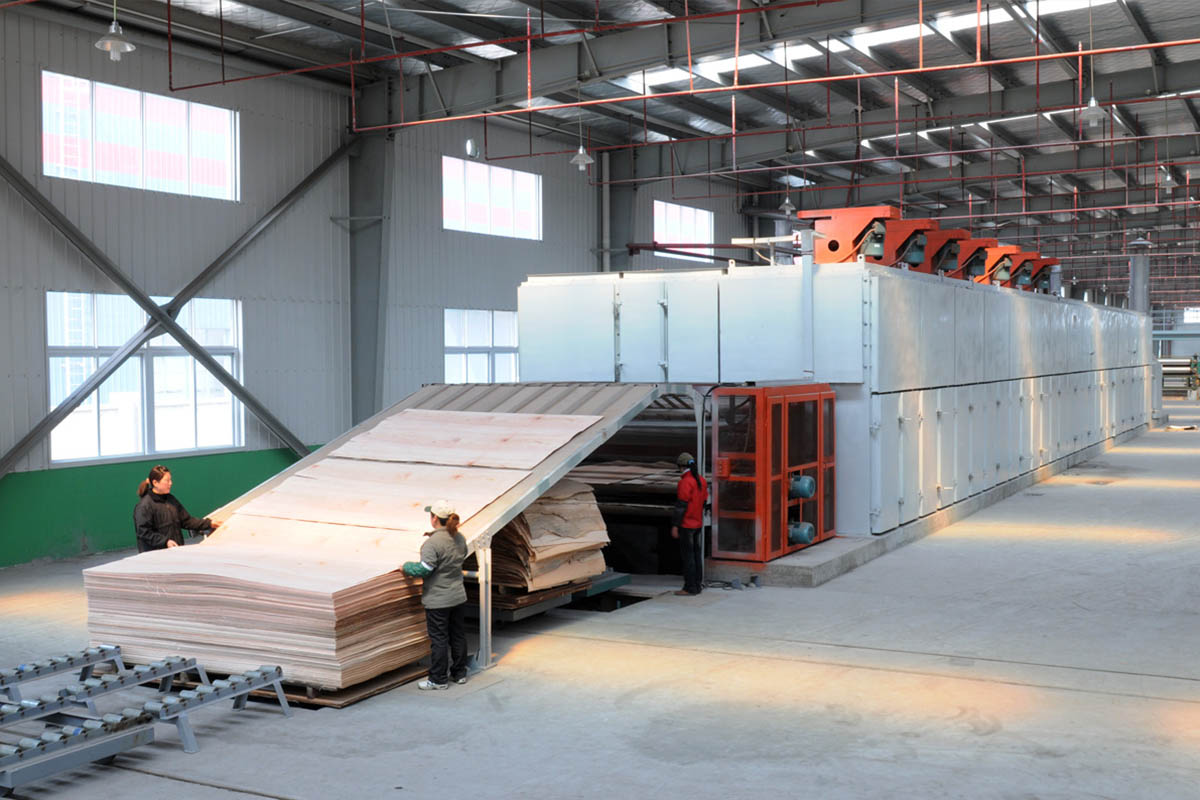
Routine Checks for Stable Veneer Drying
Operators should regularly inspect heat-supply pressure, condensate discharge, fan operation, exhaust-air settings, conveyor condition and heat-exchanger cleanliness. Recording inlet moisture, outlet moisture, line speed and drying temperature makes it easier to identify trends before they become production problems.
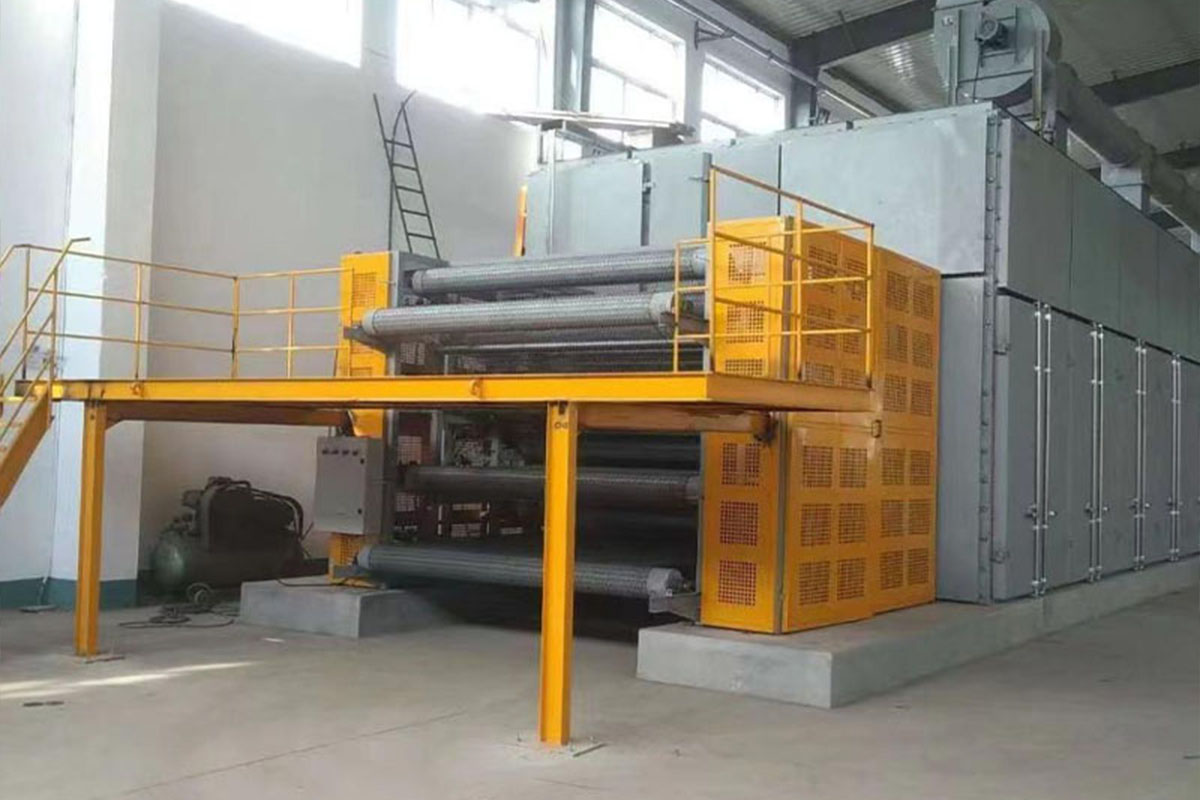
Five Factors That Affect Veneer Dryer Capacity
Dryer output is influenced by drying temperature, initial veneer moisture, wood density, veneer loading density and heat-exchanger cleanliness. Because these conditions vary between factories, published capacity figures should be treated as configuration references. A reliable selection should be based on the customer's actual material and production data.
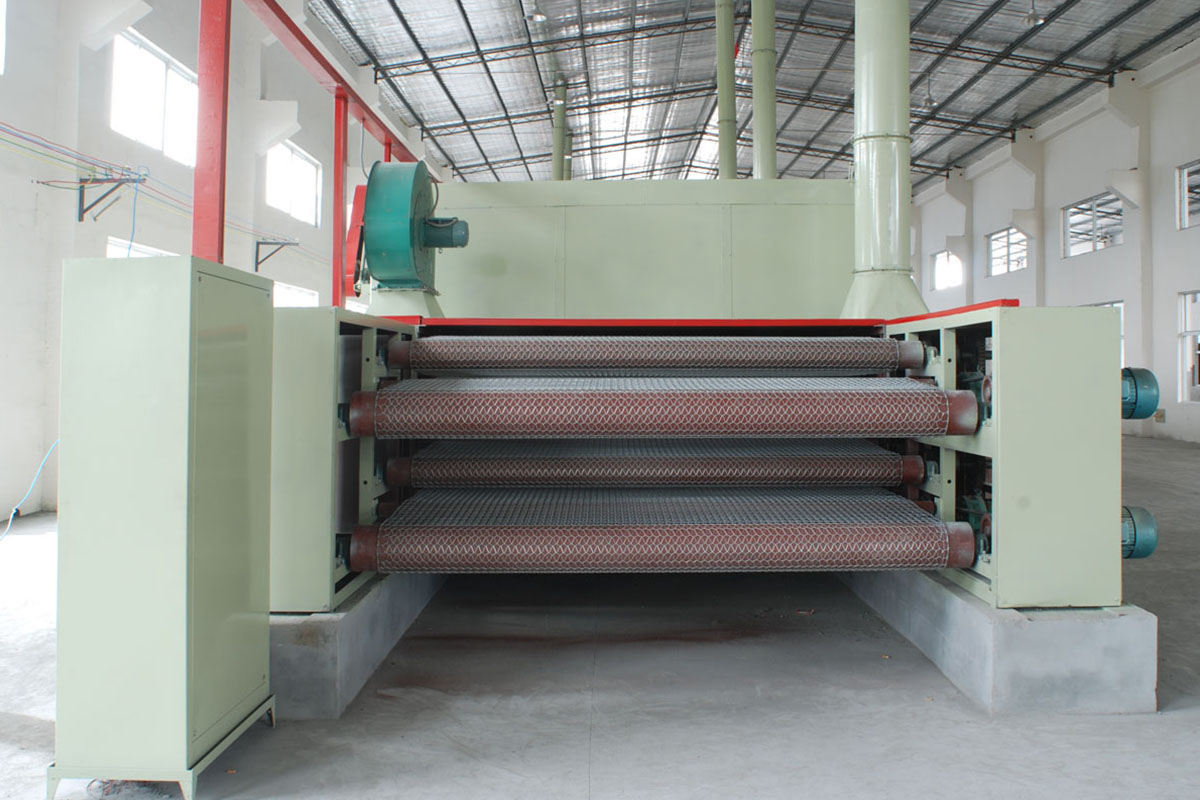
How to Select a Veneer Dryer
Choosing a dryer starts with the veneer itself. Face veneer, core veneer and mixed production lines often require different conveying structures. Buyers should prepare veneer species, dimensions, thickness, initial and final moisture, daily output, heat source and available plant space. This information helps determine whether a mesh belt, roller or combined dryer is the right starting point.
BG1933B Three Deck Mesh Roller Combined Veneer Dryer
BG1932 Two Deck Mesh Roller Combined Veneer Dryer
BG1332 Two Deck Roller Veneer Dryer
BG1333 Three Deck Roller Veneer Dryer
BG1334 Four Deck Roller Veneer Dryer
BG183AA Four Deck Mesh Belt Veneer Dryer
BG183A Three Deck Mesh Belt Veneer Dryer
BG183 Two Deck Mesh Belt Veneer Dryer
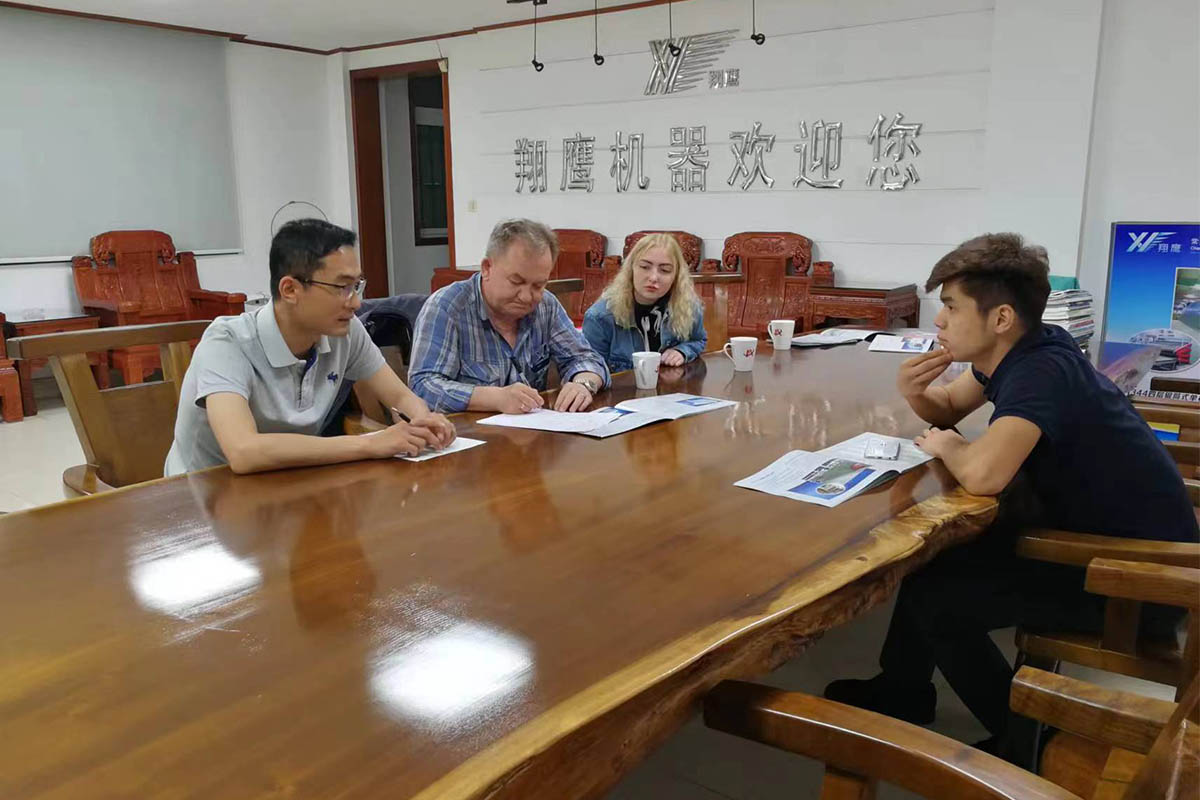
International Customers Visit Xiangying Machinery
Customers from many overseas markets have visited Xiangying to learn about veneer drying equipment, discuss production requirements and review suitable machine configurations. These visits allow both teams to compare veneer specifications, moisture targets, heat sources, output requirements and plant layouts before an equipment proposal is prepared.
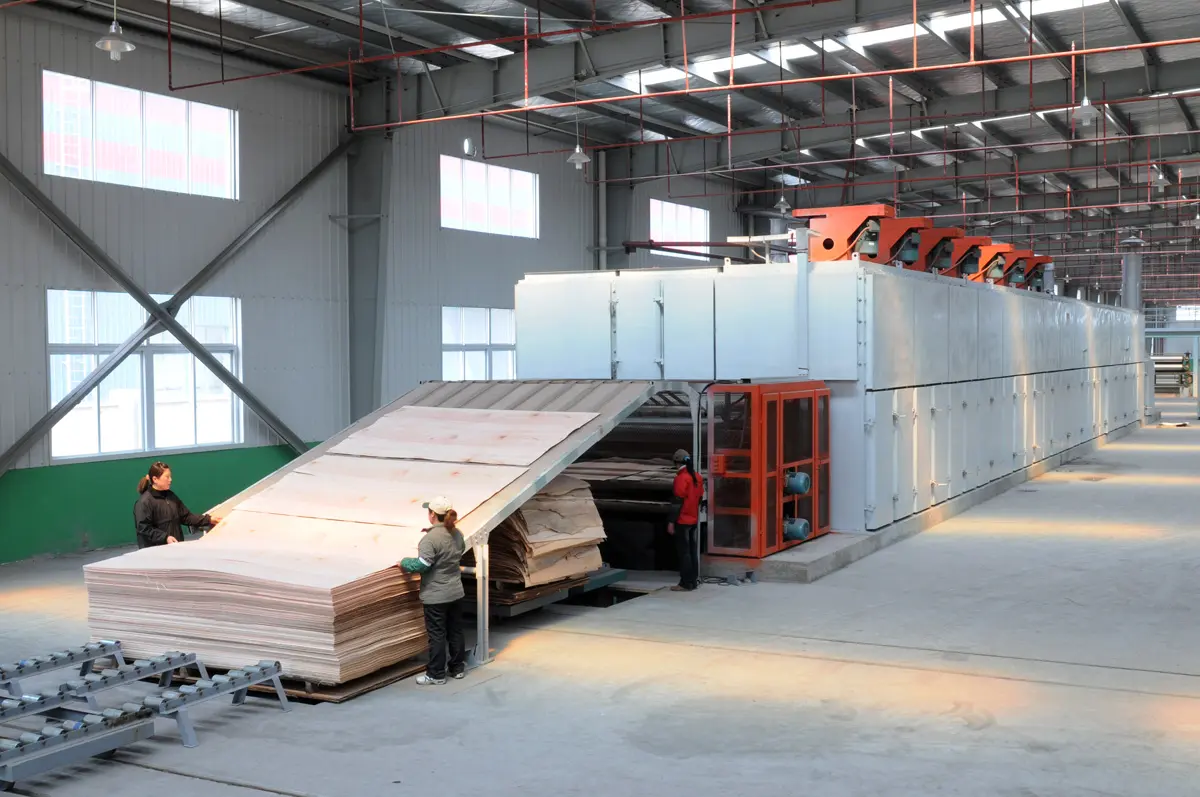
How Veneer Drying and Glue Spreading Work Together in Plywood Production
In plywood manufacturing, drying and glue spreading are often purchased and managed as separate steps. In reality, they form one quality-control chain. The dryer establishes the moisture, temperature and flatness of the veneer entering lay-up; the glue spreader then controls how evenly adhesive is transferred across that surface. If either step is unstable, the hot press cannot reliably correct the problem.
Plants that want stronger bonding, lower adhesive consumption and more predictable panel quality should therefore evaluate the interface between the veneer dryer and the glue spreader—not only the individual machines.
1. Why veneer moisture controls bonding performance
Fresh veneer contains too much moisture for dependable adhesive application and hot pressing. Drying removes water to a process-appropriate range and makes the sheet easier to transport, grade and assemble. However, the goal is not simply "as dry as possible". Overdried veneer may become brittle, absorb adhesive too quickly or consume extra thermal energy. Veneer that remains too wet can dilute the glue line, delay adhesive cure and increase the risk of delamination or steam-related defects during pressing.
The correct target depends on wood species, veneer thickness, adhesive system, storage time and press schedule. The dryer should deliver a controlled range with low variation across the sheet and between successive sheets. Consistency is more valuable than an isolated average.
2. Uniform air and cooling protect the next process
A modern veneer dryer uses circulating air, heat exchangers and jet boxes to deliver heat across the working width. Xiangying's net-roller composite design, for example, places fans on both sides of front and rear heating areas to promote comparable final moisture from left to right. This is important because a wet edge and a dry center will receive and retain adhesive differently.
Cooling is equally practical. Veneer leaving the heating zone is hot and may continue losing or regaining moisture during stacking. A correctly sized cooling section helps stabilize the material before grading, storage or glue spreading. In damp climates, additional open cooling length can reduce the chance of immediate moisture regain.
3. The role of a four-roller glue spreader
A four-roller glue spreader meters adhesive and applies it across veneer surfaces before lay-up. Xiangying's SDJ2700 8-foot model is designed to spread glue evenly on core veneer and is positioned as necessary equipment in veneer-based panel production. The four-roller arrangement separates glue transfer from metering, allowing the operator to control the glue film more consistently than manual application.
Uniform application supports three business outcomes: reliable bond coverage, less unnecessary adhesive consumption and a cleaner, more stable lay-up process. The exact spread rate must still be selected for the adhesive, species, surface condition and product standard.
4. Common defects reveal an upstream mismatch
Observed issue
Possible upstream cause
What to verify
Delamination or weak bond
Veneer too wet; insufficient or uneven glue
Moisture distribution, spread rate, roller gap, adhesive condition
Excessive glue use
Uneven veneer surface or poor metering
Drying flatness, roller cleanliness, gap and feed consistency
Blisters / press instability
High or variable veneer moisture
Final moisture range, wet pockets, cooling and storage
Visible dry spots
Nonuniform transfer or contaminated rollers
Coverage across full width, roller surface, feed alignment
5. Build an operating window instead of one setpoint
Stable production requires an agreed operating window for both machines. For the dryer, record incoming moisture, temperature, fan and exhaust condition, conveyor speed, final moisture and cooling result. For the glue spreader, record adhesive viscosity and temperature, roller gap, line speed, spread rate and visual coverage.
When defects occur, these records make troubleshooting faster. A bond problem can then be traced to moisture variation, adhesive preparation, glue transfer, assembly time or pressing—rather than solved by repeatedly changing the press schedule.
6. Equipment selection checklist for a connected line
Match dryer conveying structure to the percentage of thin face veneer and thick core veneer.
Confirm usable working width for the largest veneer format, including feeding tolerance.
Specify target moisture range and variation, not only average output.
Provide steam or thermal-oil parameters and local electrical requirements.
Select glue-spreader width and roller arrangement for veneer size, adhesive type and desired spread range.
Plan buffer space, cooling and material handling between drying, grading, gluing and lay-up.
Agree on acceptance tests using the buyer’s veneer and realistic operating conditions.
7. Why supplier experience matters
A veneer-equipment supplier should understand how material, heat, airflow and downstream bonding interact. Xiangying has more than 30 years of experience developing veneer equipment and offers multi-deck net, roller and net-roller composite dryers as well as four-roller glue spreaders. Its published project references include roller and net-belt dryers used by plywood and wood-panel producers, with equipment supplied to customers in more than 30 countries.
This experience is most useful when it is converted into a project-specific proposal: veneer samples and production data should drive the recommended decks, sections, working width, heat source, line layout and auxiliary requirements.
Conclusion: control the interface, improve the panel
Plywood quality is created before the press closes. A well-selected veneer dryer produces stable moisture, flatness and temperature; a correctly adjusted four-roller glue spreader then applies a controlled adhesive film across that surface. Managing these steps as one process reduces variation, protects adhesive cost and gives the press a more repeatable lay-up.
For a technical proposal, provide Xiangying with your veneer species, thickness range, sheet size, green and target moisture, daily capacity, heat source, adhesive type, required working width and available workshop layout.
FAQ
Can wet veneer use more glue?
It can make glue behavior less predictable and may dilute or interfere with the bond. The correct response is to stabilize veneer moisture and then set spread rate for the adhesive and product specification.
What does a four-roller glue spreader improve?
It separates metering and transfer functions, helping apply a more uniform adhesive film across the veneer while supporting controlled consumption.
Should veneer be cooled before glue spreading?
The required buffer depends on adhesive and line design, but veneer temperature and moisture should be stable and within the agreed process window before application.
Suggested internal links: Products; Veneer Dryer category; 8 Feet Glue Spreader; 4 Feet Glue Spreader; Projects; Company; Contact.
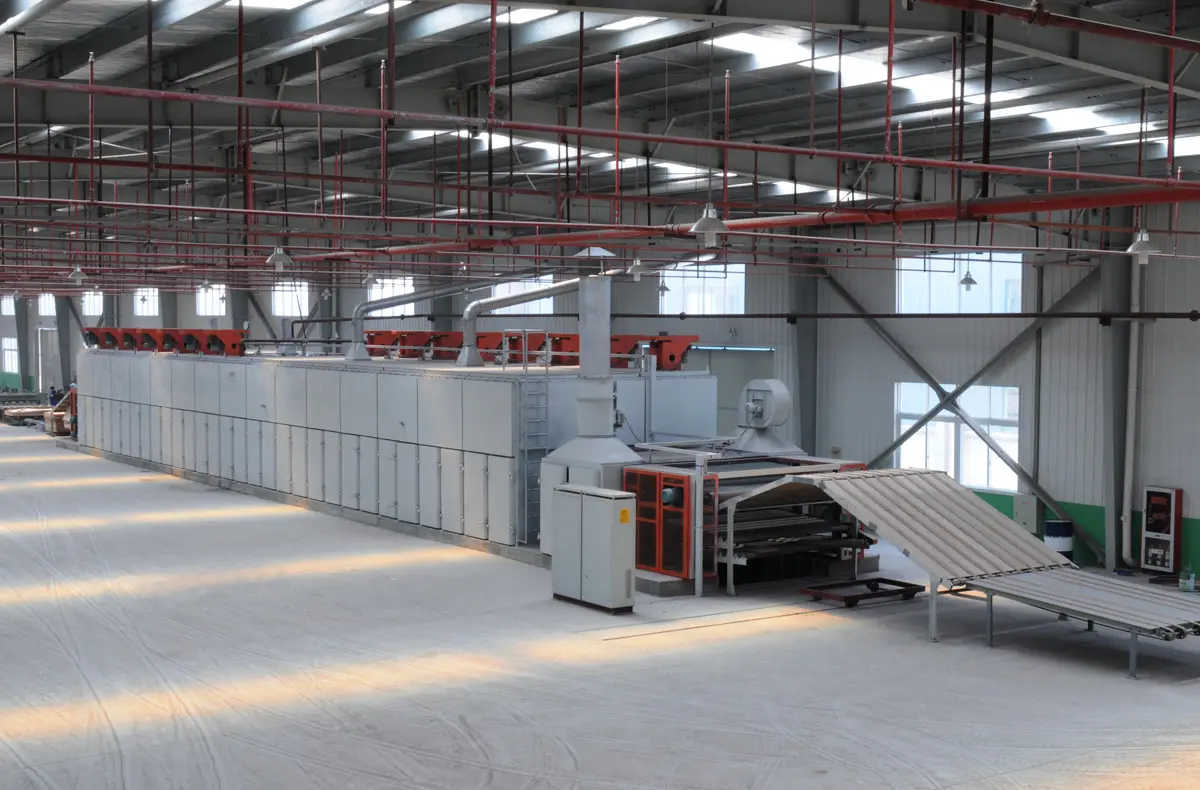
Veneer Dryer Selection Guide: Net, Roller or Net-Roller Composite?
A veneer dryer is not simply a heating tunnel. It is a production-control system that must move moisture out of wood at a predictable rate while preserving flatness, surface quality and usable yield. Choosing the wrong conveying structure can create bottlenecks that remain expensive for years: thin face veneer may wrinkle or break, thick core veneer may leave with an uneven moisture profile, and an oversized line may consume floor space and thermal energy without generating corresponding output.
For plywood, flooring, blockboard, container flooring and architectural formwork producers, the first practical choice is usually between a net veneer dryer, a roller veneer dryer and a net-roller composite veneer dryer. Each structure supports a different material mix. The right decision begins with the veneer—not with the machine brochure.
1. Start with the veneer mix
Before comparing deck counts or heating sections, define the material that will actually enter the dryer. Record the species, thickness range, green moisture range, sheet dimensions, target final moisture, desired daily output and the percentage of face versus core veneer. These variables determine the needed air distribution, conveying support, residence time and cooling capacity.
Thin face veneer needs gentle, continuous support and uniform impingement air to reduce folding, edge damage and local overdrying.
Thicker core veneer benefits from stable restraint and consistent heat transfer so moisture can migrate from the center without creating a wet core.
A mixed product plant needs flexibility; drying face and core veneer in one line can reduce handling and floor-space demand when the configuration is designed for both.
Humid climates require sufficient cooling and open sections so hot veneer does not readily regain moisture after leaving the heating zone.
2. Net veneer dryer: best suited to thin and delicate sheets
A net veneer dryer carries sheets on a mesh or belt through continuous heating sections. The broad support surface makes it well suited to thin face and back veneer, where stable conveying matters as much as evaporation rate. Xiangying’s multi-layer net dryers use a transverse-circulating, vertical-jetting concept and are offered in two-, three- and four-layer arrangements.
This format is especially relevant when the finished veneer will be used in decorative panels, joinery board, flooring, container bottom board or architectural formwork. A multi-layer layout increases effective drying area without requiring the footprint of several single-deck lines. Heating-section quantity can also be adjusted to production capacity and plant layout.
3. Roller veneer dryer: restraint for thicker core veneer
A roller veneer dryer conveys veneer between or across driven rollers. The mechanical support helps keep thicker core sheets controlled through heating and cooling. For mills producing structural plywood or multilayer panels, roller systems are commonly evaluated where flatness, reliable feeding and stable high-throughput operation are priorities.
The correct roller configuration still depends on species density, incoming moisture and sheet thickness. Output should never be judged by a nominal capacity alone. Ask the supplier to state the assumptions behind the figure, including temperature, initial and final moisture, veneer dimensions, operating hours and usable-yield definition.
4. Net-roller composite dryer: one line for a broader product mix
A net-roller composite veneer dryer combines net and roller conveying sections within one straight-conveying, transverse-circulating system. Its main value is production flexibility: face veneer and thicker core veneer can be processed in the same machine using structures matched to each material.
Xiangying’s composite design uses side-mounted centrifugal fans, updated heat exchangers and rectangular variable-cross-section jet boxes to distribute heated air across the veneer surface. Fans arranged on the left and right of the front and rear heating areas help balance final moisture. For factories with limited space or frequent product changes, this multi-use configuration can be more practical than two independent lines.
5. Compare configurations using operating data
Decision factor
Net dryer
Roller dryer
Net-roller composite
Typical priority
Thin face/back veneer
Thicker core veneer
Mixed face + core production
Conveying support
Continuous mesh/belt
Driven roller structure
Both structures in one line
Plant fit
Dedicated thin-veneer flow
Core-focused, stable feeding
Flexible plants; constrained footprint
Key validation
Sheet handling and uniform air
Flatness and moisture through thickness
Changeover, balance and simultaneous loading
6. Specify the complete thermal and moisture-control system
Dryer performance depends on more than decks and conveying style. The heating source may use steam or thermal oil; both require correctly engineered pipework, heat exchangers and safety controls. Airflow volume, jet-box geometry, exhaust balance, insulation, access doors and cooling length all influence energy use and moisture uniformity.
A professional quotation should therefore connect the dryer configuration to measurable acceptance conditions. At minimum, define the target final-moisture range, allowable sheet-to-sheet variation, capacity basis, heat-source parameters, electrical standard, available floor area, ambient conditions and commissioning responsibilities.
7. Questions to ask before requesting a quotation
Which veneer species, thicknesses and green-moisture ranges were used to calculate capacity?
How many heating and cooling sections are recommended, and why?
How is air distributed across the working width to reduce left-to-right moisture variation?
What heat source, temperature and thermal consumption are assumed?
Can the line be adapted to the available building length, material flow and electrical standard?
What installation, operator training, spare-parts and remote-support services are included?
Conclusion: choose for stable yield, not maximum nameplate output
The best veneer dryer is the configuration that produces saleable, consistently dried veneer under the mill’s real operating conditions. Net dryers are a strong fit for thin and delicate sheets; roller dryers provide controlled conveying for thicker core veneer; and net-roller composite dryers offer flexibility where face and core production must share space and utilities.
Xiangying manufactures multi-layer net, roller and net-roller composite veneer dryers and can adjust heating sections and layout around production requirements. Share your veneer thickness, species, initial and final moisture, sheet size, daily output, heat source and workshop dimensions to receive a configuration proposal.
FAQ
How many layers should a veneer dryer have?
The answer depends on required output, available footprint, veneer handling and thermal conditions. More layers increase effective drying area, but the complete airflow and loading plan must support them.
What determines actual veneer dryer capacity?
Drying temperature, species density, veneer thickness, initial moisture, target final moisture, sheet size and operating efficiency all affect capacity. Compare suppliers using the same stated assumptions.
Why is a cooling section important?
Cooling stabilizes hot veneer before stacking or downstream processing. In humid climates, adequate open cooling length also helps reduce rapid moisture regain.
Suggested internal links: Veneer Dryer category; 4 Layers Net Veneer Dryer; 3 Layers Net/Roller Veneer Dryer; 4 Layers Roller Veneer Dryer; Projects; Contact.