
ABOUT US
Xiangying is a professional manufacturer of veneer dryers and plywood equipment.
Our 18,000 m² site includes 15,000 m² of buildings, supporting product development, manufacturing and service for customers in China and overseas.
GET A FREE QUOTE
Error: Contact form not found.

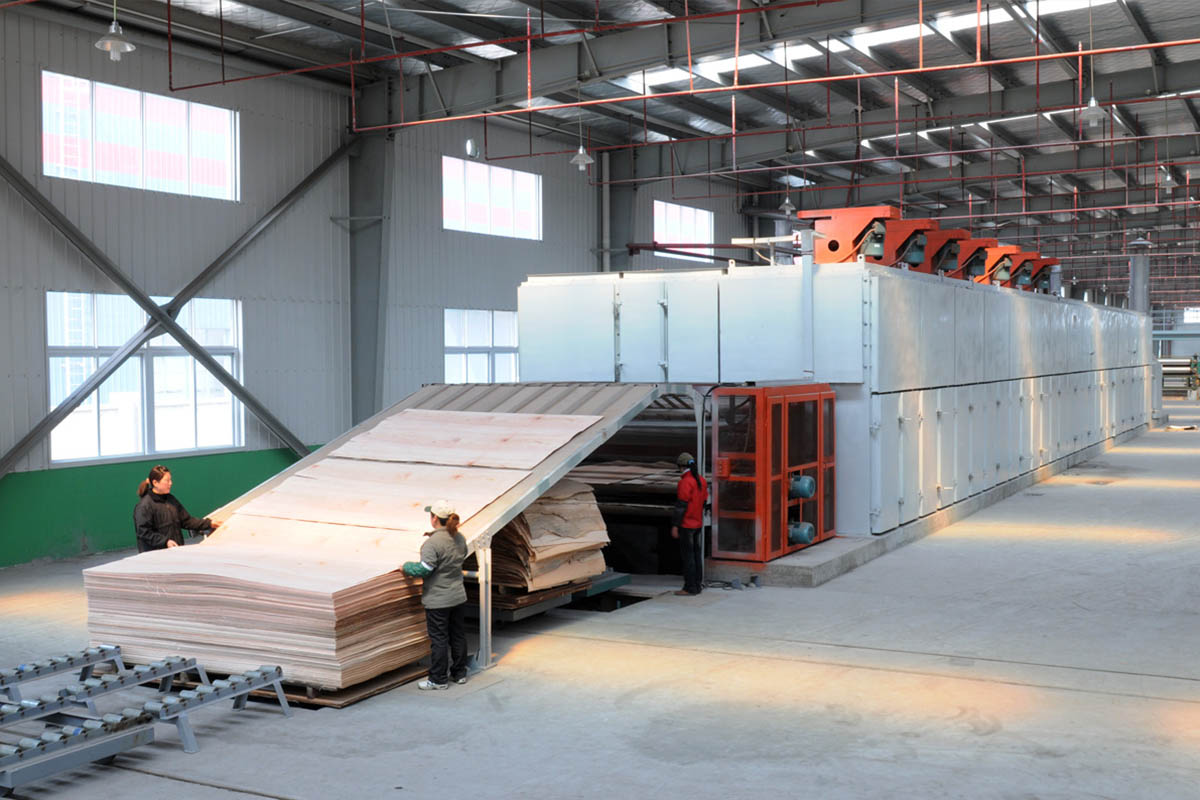
Routine Checks for Stable Veneer Drying
Operators should regularly inspect heat-supply pressure, condensate discharge, fan operation, exhaust-air settings, conveyor condition and heat-exchanger cleanliness. Recording inlet moisture, outlet moisture, line speed and drying temperature makes it easier to identify trends before they become production problems.
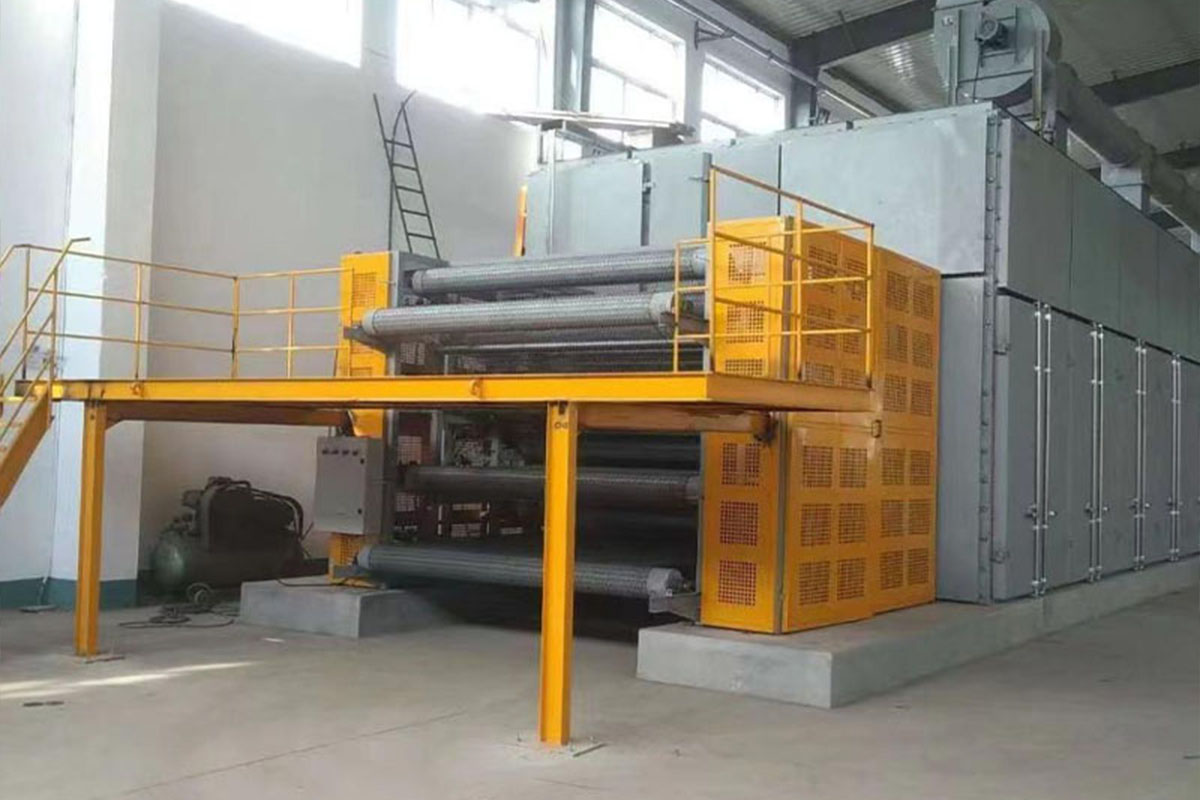
Five Factors That Affect Veneer Dryer Capacity
Dryer output is influenced by drying temperature, initial veneer moisture, wood density, veneer loading density and heat-exchanger cleanliness. Because these conditions vary between factories, published capacity figures should be treated as configuration references. A reliable selection should be based on the customer's actual material and production data.
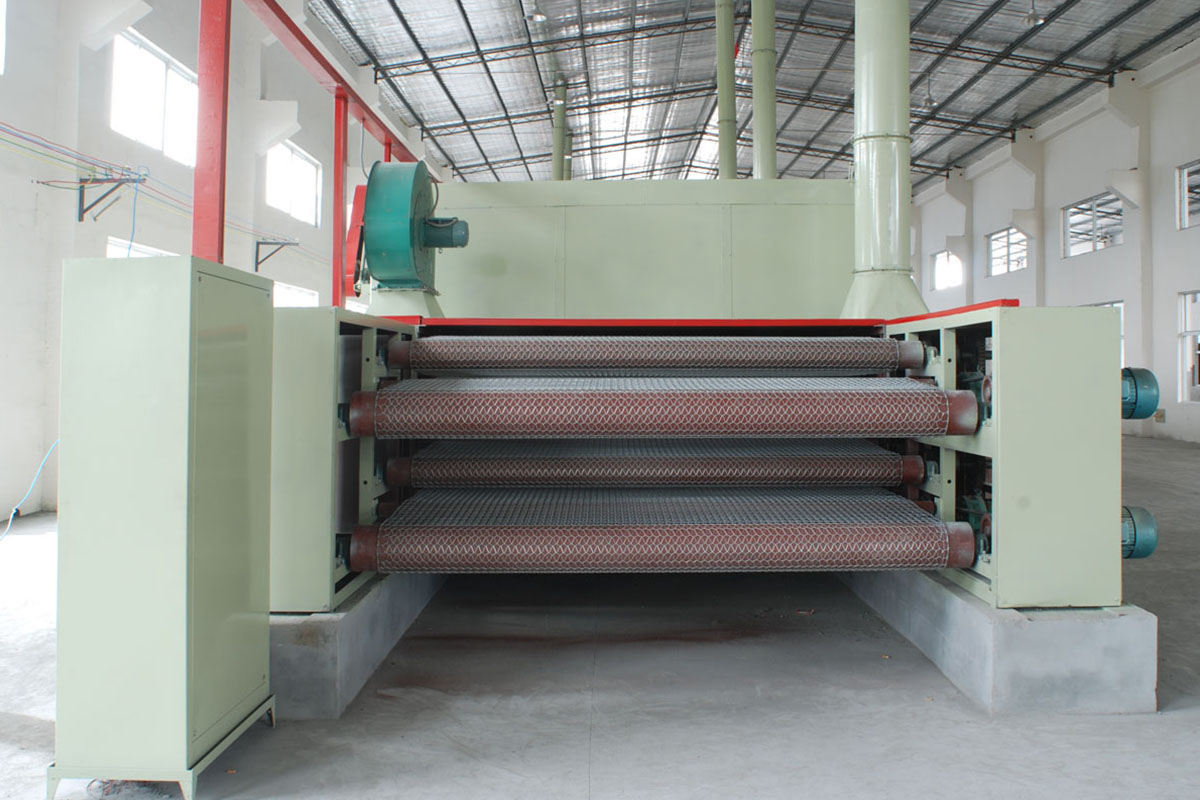
How to Select a Veneer Dryer
Choosing a dryer starts with the veneer itself. Face veneer, core veneer and mixed production lines often require different conveying structures. Buyers should prepare veneer species, dimensions, thickness, initial and final moisture, daily output, heat source and available plant space. This information helps determine whether a mesh belt, roller or combined dryer is the right starting point.
BG1933B Three Deck Mesh Roller Combined Veneer Dryer
BG1932 Two Deck Mesh Roller Combined Veneer Dryer
BG1332 Two Deck Roller Veneer Dryer
BG1333 Three Deck Roller Veneer Dryer
BG1334 Four Deck Roller Veneer Dryer
BG183AA Four Deck Mesh Belt Veneer Dryer
BG183A Three Deck Mesh Belt Veneer Dryer
BG183 Two Deck Mesh Belt Veneer Dryer