
ABOUT US
Xiangying is a professional manufacturer of veneer dryers and plywood equipment.
Our 18,000 m² site includes 15,000 m² of buildings, supporting product development, manufacturing and service for customers in China and overseas.
GET A FREE QUOTE
Error: Contact form not found.

Glue Spreaders
Four-roller glue spreaders for applying adhesive evenly to core veneer in plywood production. Available in 4-foot and 8-foot working widths.
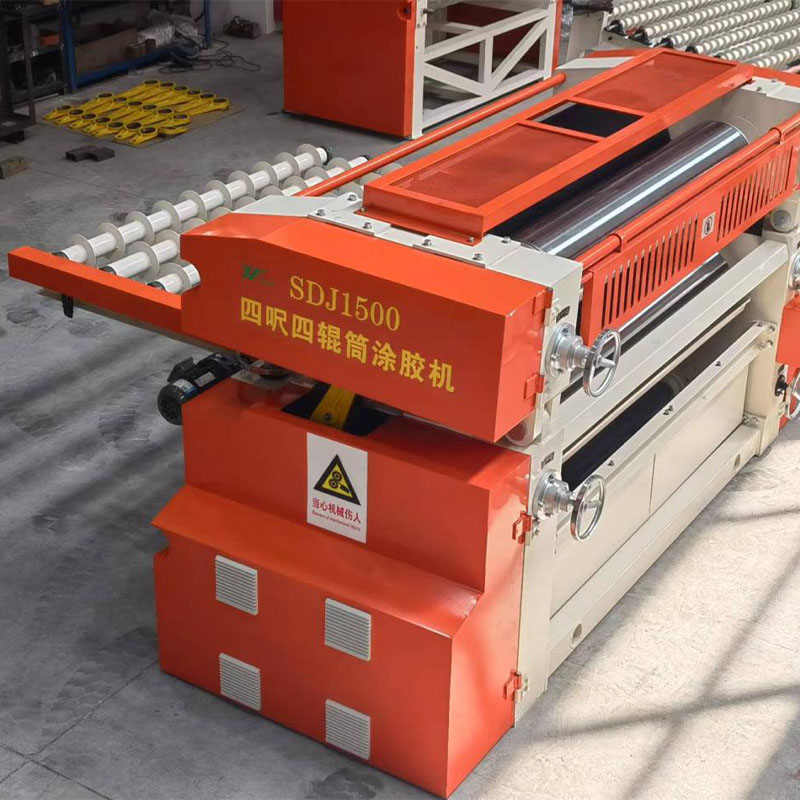
SDJ1500 4-Foot Four-Roller Glue Spreader
SDJ1500 4-roller glue spreader machine is a kind of necessary equipment for veneer production, used to averagely daub a core veneer with glue. Our product collects advantages of all kinds of glue spreader machine, and is improved on this base.
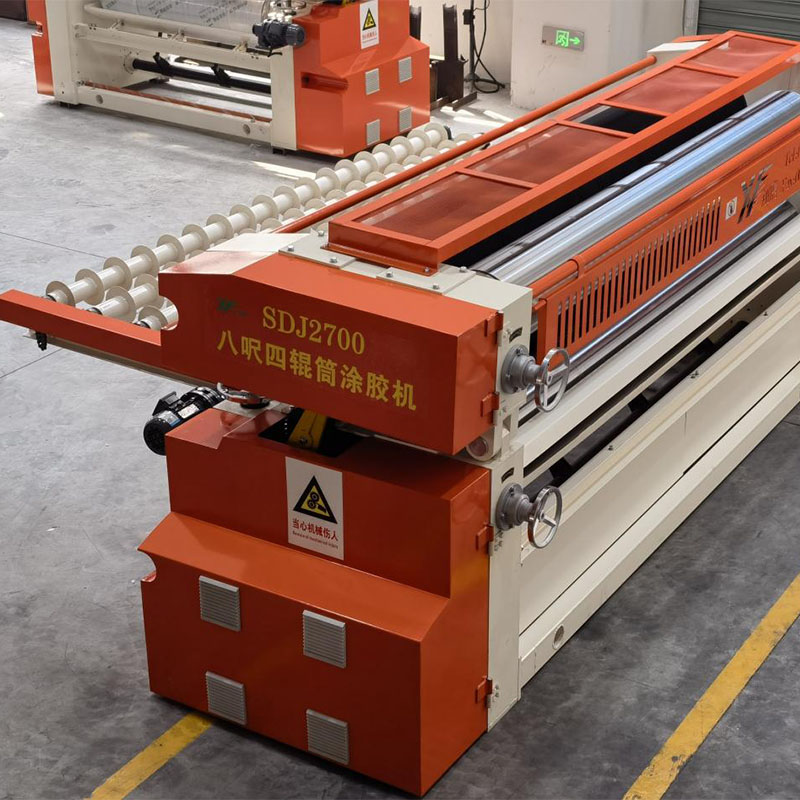
SDJ2700 8-Foot Four-Roller Glue Spreader
SDJ2700 4-roller glue spreader machine is a kind of necessary equipment for veneer production, used to averagely daub a core veneer with glue. Our product collects advantages of all kinds of glue spreader machine, and is improved on this base.

FREQUENTLY ASKED QUESTIONS
Have Any Questions
-
How to choose the right dryer model?
The veneer type, veneer dimensions, thickness, initial moisture content, final moisture content, and daily production volume (calculated over 24 hours) are all taken into account.Generally, a mesh dryer is chosen for veneer thicknesses of 0.2mm to 1.5mm, and a roller dryer for 1.5-6mm.
-
Each one's pros and cons
The belt dryer is versatile; it can dry both thin and thick veneers. When dryers first came about, there were only belt dryers. Drum dryers were only gradually introduced from abroad and developed after 2000.
The only downside of a belt dryer is that the veneers aren't very flat after drying, especially those thicker than 1.5mm. So, except for pine, for other materials with veneers over 1.5mm thick, it's better to use a drum dryer. The veneers get pressed by the upper and lower rollers, and they come out flat!
But a roller dryer can't dry veneer thinner than 1.5mm, because the veneer is too thin and can slip through the gaps between the rollers, causing blockages! If the thickness is over 1.5mm, especially between 1.7mm and 6mm, roller dryers basically won't have any blockage issues. That's because our roller dryers and the spray box have a patented design. -
About choosing a type of dryer
Regarding choosing the type of dryer, if the customer's raw material wood is pine, then only a conveyor belt veneer dryer should be chosen because pine contains resin. After long working hours, the resin inside the veneer will stick to the rollers, and the more the resin accumulates on the rollers, the harder it becomes for the rollers to turn. Plus, once the resin dries, it's extremely tough and hard to clean! So only a conveyor belt dryer is suitable, a roller dryer can't be used.