
TENTANG KAMI
Xiangying adalah produsen profesional pengering veneer dan peralatan kayu lapis.
Lahan kami seluas 18.000 m² mencakup bangunan seluas 15.000 m², yang mendukung pengembangan produk, manufaktur, dan layanan bagi pelanggan di Tiongkok dan luar negeri.
DAPATKAN PENAWARAN GRATIS
Eror: Formulir kontak tidak ditemukan.
-
Rumah

-
Blog
-
Berita Terkini
- How to Prevent Jams in a Roller Veneer Dryer
How to Prevent Jams in a Roller Veneer Dryer
-
 admin
- 27,November
A jam in a roller veneer dryer often becomes visible where sheets pile up, but the obstruction may have started farther upstream. A second sheet may have overlapped the first at the infeed, or a narrow piece may have entered the roller path in an unsuitable orientation. Before changing speed or replacing parts, identify where the first sheet stopped moving normally. That location tells you whether to investigate the veneer, the feeding method or the conveyor.
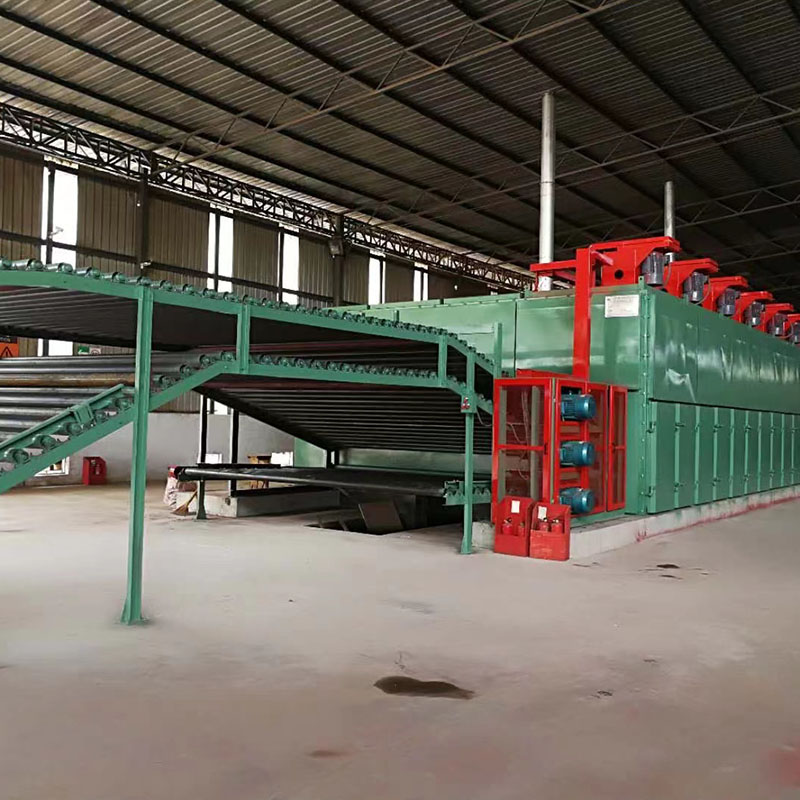
Find Where the Veneer First Stops Moving
Record the deck, time, sheet size and approximate location whenever a blockage occurs. Also note when the line was last running normally and what changed just before the stop. A few entries tied to material formats and feed positions are more useful than a general record that says the dryer jammed.
Distinguish Infeed Problems From Internal Jams
At the infeed, look for visible overlap, skew or inconsistent spacing from the designated operator position. If sheets repeatedly arrive skewed before reaching the dryer, review the transfer from the feeder and how the sheets are presented. If they enter squarely and stop repeatedly in the same internal section, the maintenance team has a location to inspect after isolation. A pile of sheets found downstream may contain evidence of the jam, but it does not necessarily identify where the first sheet caught.
Check Whether the Problem Follows One Deck or One Format
A jam that started after a format change suggests checking the dimensions and condition of the newly introduced stock. A jam that stays on one deck across several suitable formats calls for closer attention to that deck's transfer points and rollers. These patterns guide the next step. Physical inspection and a controlled restart are still needed to verify the cause.
Check Sheet Size and Orientation Before Feeding
Once there is a record of the affected format, compare it with the model's approved feeding envelope. A sheet can fit within the overall machine width and still be too small, too irregular or poorly supported for the roller arrangement.
Confirm Minimum Sheet Width for the Dryer Model
Xiangying describes the Pengering Veneer Rol Tiga Tingkat BG1333 as a cut-before-dry machine mainly used for core veneer. Its published product description calls for veneer wider than 350 mm to avoid piling up. Confirm which sheet dimension the manufacturer means for the intended feed direction, and check the approved limits for the machine installed at your plant. The figure applies to the cited model guidance and should not be used as a general limit for other machines.
Irregular pieces need special attention. The overall measurement of a torn sheet can hide a narrow or broken leading edge. Keep damaged pieces, clipped offcuts and undersized sheets out of the normal stream unless your line has an approved way to handle them. This is particularly useful after a clipping setup change, when a short run can introduce several sizes into the same stack.
Align the Leading Edge and Separate Successive Sheets
Check the leading edge at the transfer into the dryer. An angled sheet can reach a transfer point on one side before the other, and an overlap can carry two layers where the feeder was set up for one. Review sheet spacing, alignment and the feeder settings for the actual material. If overlap starts at pickup, correcting the pickup condition will tell you more than changing dryer speed.
Inspect the Conveyor Where Jams Repeat
When correctly sized sheets continue to stop at the same location, prioritize that section of the conveyor. Restricted movement, damaged parts and accumulated scraps are possibilities for the maintenance team to verify. The roller veneer dryer range includes several deck configurations, so use the documentation for the installed machine when identifying the affected transfer and its service points.
Internal checks and jam clearance belong to trained personnel following the plant's approved shutdown, isolation and cooling procedures. Compare accessible transfer points, rollers and drive components with the manufacturer's maintenance instructions. Look for marks or debris that match the location where sheets first catch. Record the finding and any corrective work, especially when the fault appears only on one deck.
Verify the Fix Under Normal Feeding Conditions
After maintenance releases the machine for restart, run a known-good veneer format first. Observe the infeed and discharge from designated positions. If the known-good format feeds consistently, run the previously affected format only after confirming that it meets the approved limits. Use the same feed orientation and identify the deck so that the two runs can be compared.
As a hypothetical example, a line jams shortly after switching from full core sheets to narrower strips. If full sheets pass and the strips are below the published size limit for the installed model, stop using those strips on that feed path and review handling options with the supplier. If both compliant formats catch at the same transfer point, return to the mechanical inspection for that location. Either result is more informative than declaring the fault solved after a single sheet passes.
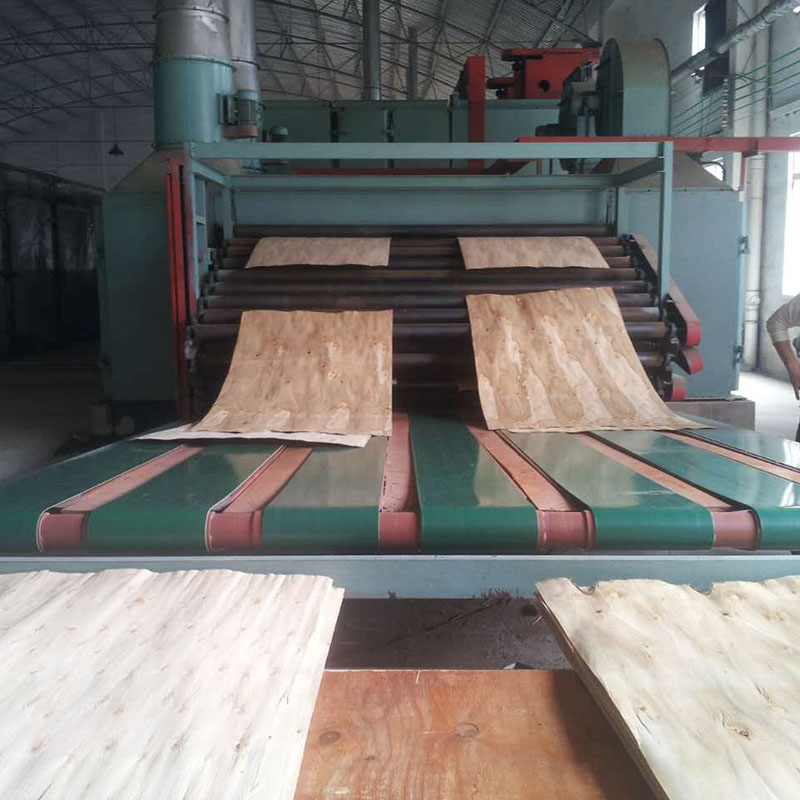
Roller Dryer Troubleshooting Support From Xiangying
Xiangying manufactures roller, mesh belt and combined veneer dryers. If jams persist, its equipment troubleshooting service can help identify the next inspection steps. Start with the machine model, the affected deck and the sheet dimensions in the direction used. A short video taken from a safe observation point, or a record of what changed before the jam, can help the team narrow the cause.
Conclusion
Prevent repeat jams by identifying the first point where sheet travel fails, checking the veneer and feed conditions, and inspecting the corresponding conveyor section if the fault persists. Verify the correction with a known-good run and then with representative production stock that meets the machine's limits.
FAQs
Can a Dryer Handle Random-Width Veneer?
It depends on the feeder and roller configuration. Ask the supplier to confirm the approved dimensions and feeding method for the actual spread of widths before mixing those pieces into production.
Should Veneer From a Cleared Jam Return to the Line?
Set it aside for inspection. Check for broken edges, distortion and moisture variation, then follow the mill's rules for reprocessing or rejection.
What Should Operators Note After an Intermittent Jam?
Record the material batch, sheet dimensions, deck, feed direction, time and observed stopping point. Include any recent format or feeder changes so maintenance can compare incidents across shifts.


Produk Terkait
Produk Terlaris
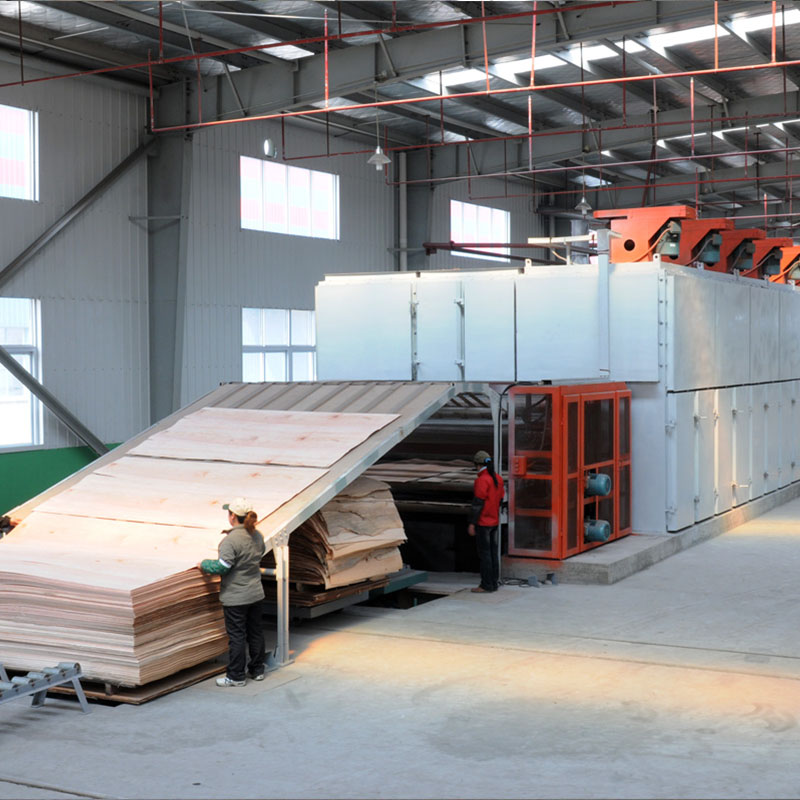
Pengering Veneer Kombinasi Rol Jala Tiga Tingkat BG1933B
Produk kami adalah sejenis pengering rol jaring sirkulasi melintang konveyor lurus, yang dilengkapi dengan struktur jaring dan rol. Pengering veneer rol jaring memiliki dua jenis lapisan jaring dan rol; dapat digunakan untuk mengeringkan pelat muka dan pelat inti tebal secara bersamaan. Keunggulannya adalah membutuhkan ruang lahan yang lebih sedikit dan dapat digunakan untuk berbagai keperluan.
Produk kami adalah sejenis pengering rol jaring sirkulasi melintang konveyor lurus, yang menggabungkan keunggulan pengering Eropa. Pengering ini menggunakan kipas sentrifugal yang dilengkapi di samping (aliran udara 62 ribu m³/jam). Penukar panas baru dan kotak semprot penampang variabel persegi panjang membuat permukaan veneer seragam untuk udara pemanas. Kipas bagian pemanas di area depan dan belakang dilengkapi di sisi kiri dan kanan, sehingga veneer memiliki kelembapan akhir yang sama setelah dikeringkan. Selain itu, untuk kondisi iklim lembap, pengering ini menambahkan bagian terbuka pendingin yang panjang, yang menguntungkan pendinginan veneer karena mencegahnya menjadi lembap.
Sistem pemanas pengering menggunakan boiler uap atau minyak. Jika menggunakan boiler minyak, perlu diperhatikan keamanan sistemnya; tabung sistem pemanas dan penukar panas harus menghindari endapan karbon dan kecelakaan kebakaran. Jangan sampai air, zat asam, dan bahan dengan titik didih rendah masuk ke dalam sistem.
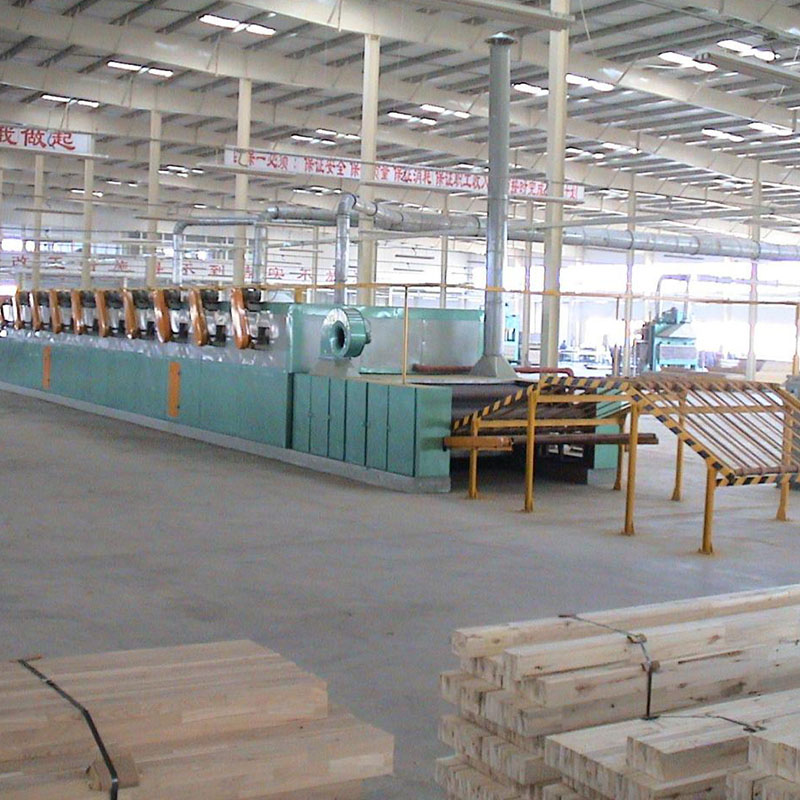
Pengering Veneer Kombinasi Rol Jala Dua Tingkat BG1932
Pengering veneer rol jaring 2 lapis BG1932 memiliki dua jenis lapisan jaring dan rol; dapat digunakan untuk mengeringkan pelat muka dan pelat inti tebal secara bersamaan. Keunggulannya adalah membutuhkan ruang yang lebih sedikit dan dapat digunakan untuk berbagai keperluan.
Mesin pengering rol jaring BG1932 dirancang berdasarkan prinsip struktur unit, tipe standarnya adalah 10 bagian. Luas standar untuk satu bagian pengering adalah 2 meter persegi, terdiri dari satu bagian ruang pendingin, satu sistem penggerak, meja rol masukan, dan meja rol keluaran. Pelanggan dapat memilih jumlah bagian mesin pengering sesuai kebutuhan (5 bagian hingga 15 bagian).
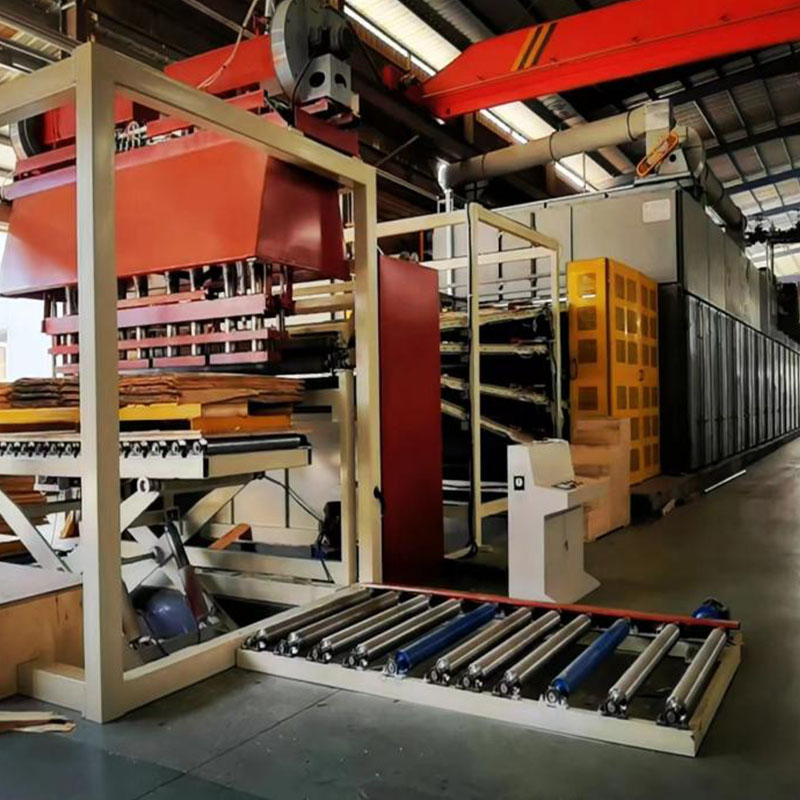
Pengering Veneer Rol Empat Tingkat BG1334
Pengering veneer rol jetting 4 dek BG1334 terdiri dari sistem konveyor, bagian pemanas, sistem uap, bagian pendingin, sistem pembuangan, dan sistem rol input & output. Bagian pemanas terdiri dari dua bagian, bagian depan dan belakang, dengan kipas pemanas yang dipasang di kedua sisi untuk memastikan kelembapan akhir yang konsisten di setiap titik.
Dalam proses pemanasan, udara dikompresi ke dalam pemanas oleh kipas sentrifugal tegak untuk pemanasan, dan kemudian dikompresi ke dalam bellow penyemprot. Setelah itu, udara panas disemprotkan ke veneer yang diangkut di antara rol untuk pengeringan. Udara lembap panas kemudian ditarik kembali ke kipas sentrifugal untuk penggunaan sirkular. Sebagian udara lembap panas dibuang melalui sistem pembuangan untuk diganti dengan udara segar agar kelembapan udara tetap terjaga. Proses ini menyesuaikan dengan kondisi teknologi: pertama, pemotongan; kedua, pengeringan. Proses ini terutama digunakan untuk mengeringkan papan inti veneer. Orientasi serat veneer kering sama dengan veneer masukan, dan lebarnya harus lebih dari 350 mm, atau akan terjadi fenomena penumpukan veneer.
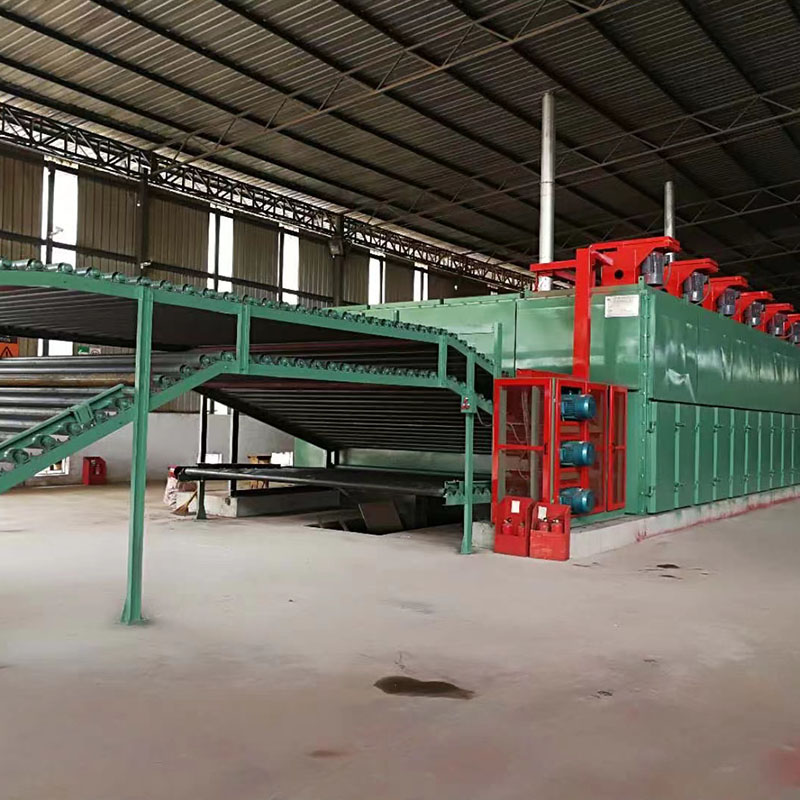
Pengering Veneer Rol Tiga Tingkat BG1333
Pengering veneer rol jetting 3 dek BG1333 terdiri dari sistem konveyor, bagian pemanas, sistem uap, bagian pendingin, sistem pembuangan, dan sistem rol input & output. Bagian pemanas terdiri dari dua bagian, bagian depan dan belakang, dengan kipas pemanas yang dipasang di kedua sisi untuk memastikan kelembapan akhir yang konsisten di setiap titik.
Dalam proses pemanasan, udara dikompresi ke dalam pemanas oleh kipas sentrifugal tegak untuk pemanasan, dan kemudian dikompresi ke dalam bellow penyemprot. Setelah itu, udara panas disemprotkan ke veneer yang diangkut di antara rol untuk pengeringan. Udara lembap panas kemudian ditarik kembali ke kipas sentrifugal untuk penggunaan sirkular. Sebagian udara lembap panas dibuang melalui sistem pembuangan untuk diganti dengan udara segar agar kelembapan udara tetap terjaga.
Prosesnya disesuaikan dengan kondisi teknologi: pertama, pemotongan; kedua, pengeringan. Terutama digunakan untuk mengeringkan papan inti veneer. Orientasi serat veneer kering sama dengan veneer yang dimasukkan, dan lebarnya harus lebih dari 350 mm, jika tidak akan terjadi fenomena penumpukan veneer.
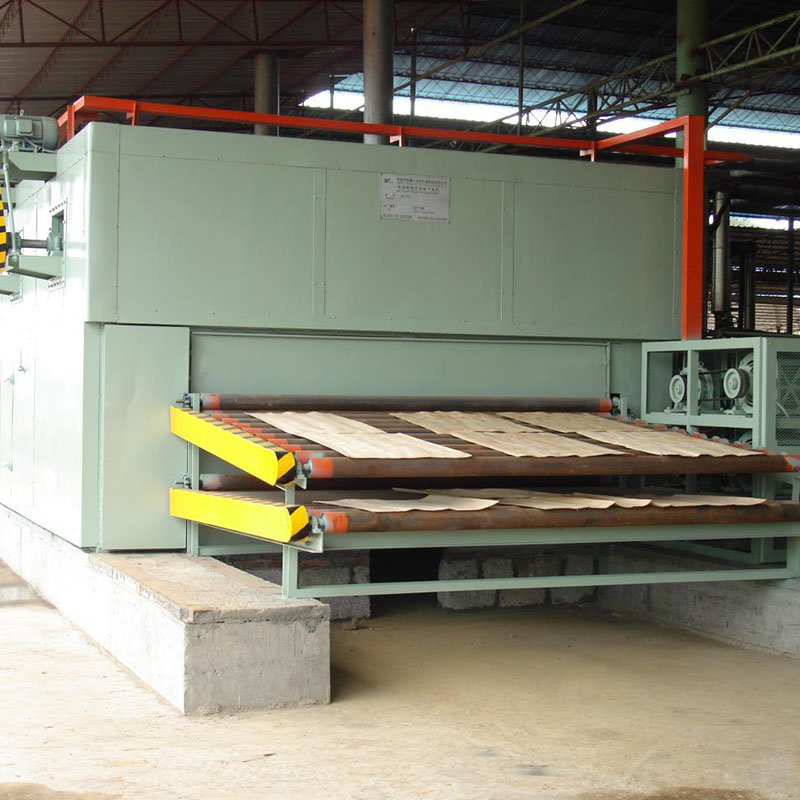
Pengering Veneer Rol Dua Tingkat BG1332
Pengering veneer rol jetting 2 dek BG1332 adalah peralatan utama dalam produksi veneer. Alat ini beradaptasi dengan kondisi teknologi: pertama, potong, kedua, keringkan. Alat ini terutama digunakan untuk mengeringkan papan inti veneer. Orientasi serat veneer kering sama dengan veneer masukan, dan lebarnya harus lebih dari 350 mm, jika tidak akan terjadi fenomena veneer yang menggumpal. Terdapat ventilator di setiap unit area pengeringan; alat ini menggunakan metode jetting sirkulasi melintang lurus, yang memungkinkan panas masuk dan mengeluarkan kelembapan (basah), sehingga mempercepat proses pengeringan. Selain itu, alat ini membuat veneer kering secara proporsional, mengurangi lengkungan akibat kelembapan. Produk ini memiliki beberapa keunggulan: perawatan mudah, aman dan andal, dan sebagainya. Oleh karena itu, ini adalah produk yang sempurna untuk mengeringkan veneer tebal dalam proses produksi veneer.
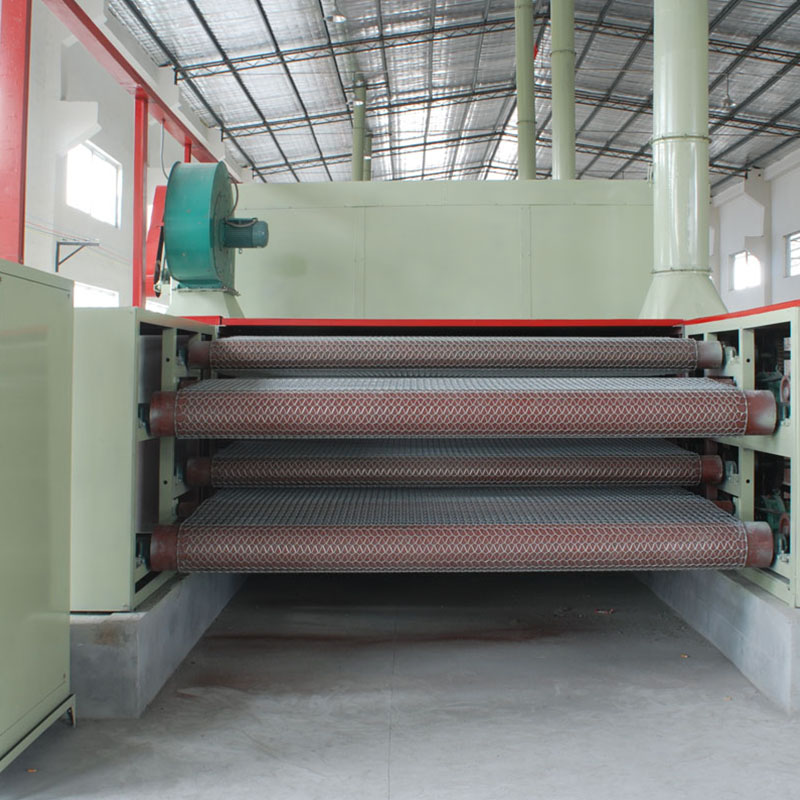
Pengering Veneer Sabuk Jala Dua Tingkat BG183
Produk kami adalah sejenis pengering sabuk jet vertikal sirkulasi melintang, yaitu sejenis peralatan pengeringan kontinu. Produk kami dapat diaplikasikan untuk proses pengeringan veneer atas dan bawah, yang dapat digunakan untuk memproduksi papan cetakan arsitektur, papan kayu, papan lantai, papan dasar kontainer, dan sebagainya. Dengan fitur lahan yang lebih kecil dan penggunaan yang lebih luas, serta memanfaatkan keunggulan pengering veneer canggih di dalam dan luar negeri, dan dirancang untuk tujuan ekonomis, andal, dan bermutu tinggi, produk kami menjamin peningkatan hasil produksi, peningkatan kualitas produk, pengurangan konsumsi energi dan biaya produksi, serta peningkatan keuntungan yang memuaskan.
Tipe standar mencakup 13 bagian pemanas, satu bagian pendingin (sebelah kiri), dan kami dapat menambah atau mengurangi bagian pemanas yang sesuai serta menyesuaikan tipe header untuk memenuhi kebutuhan produksi Anda, terkait hasil, pengaturan, dan lokasi. Kami akan melakukan yang terbaik untuk membantu Anda mendapatkan kemampuan produksi maksimal dengan investasi minimal.